
Last updated November 16, 2026
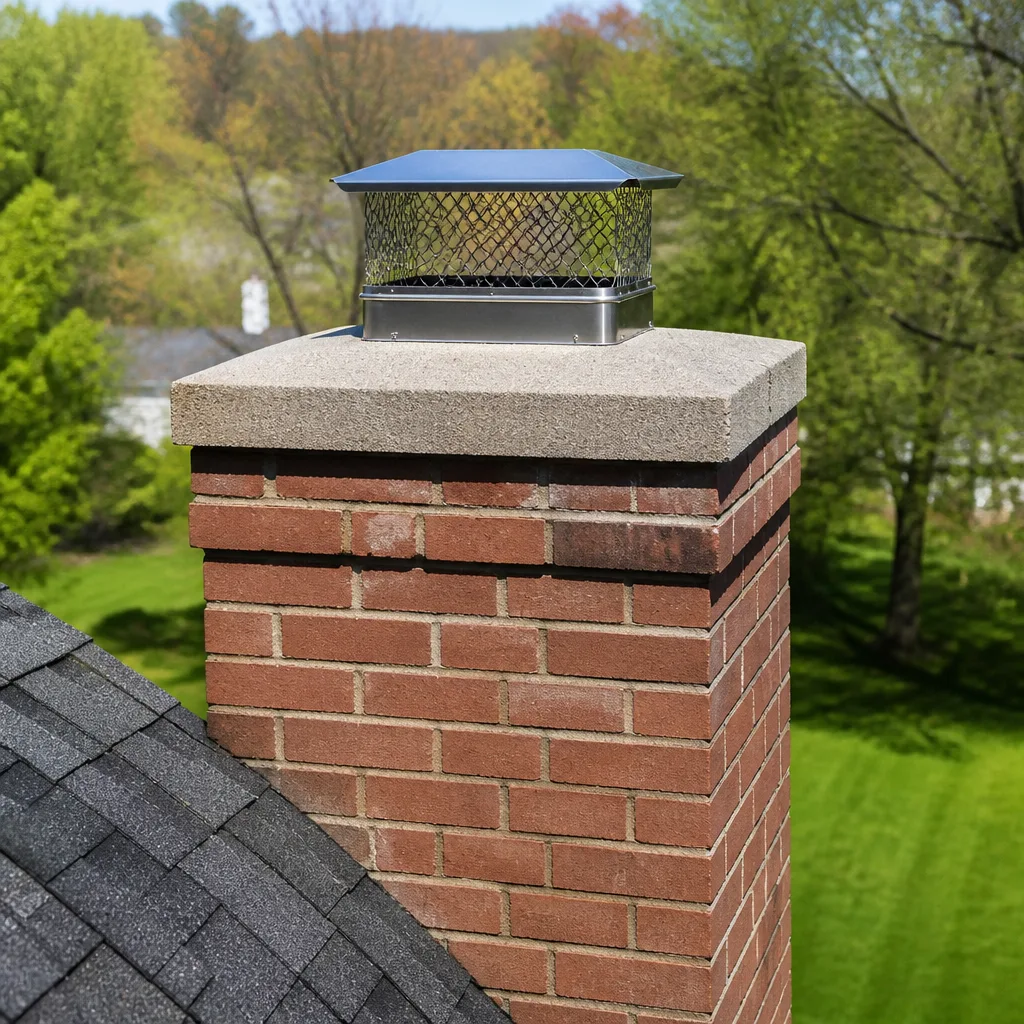 Sweep & inspection
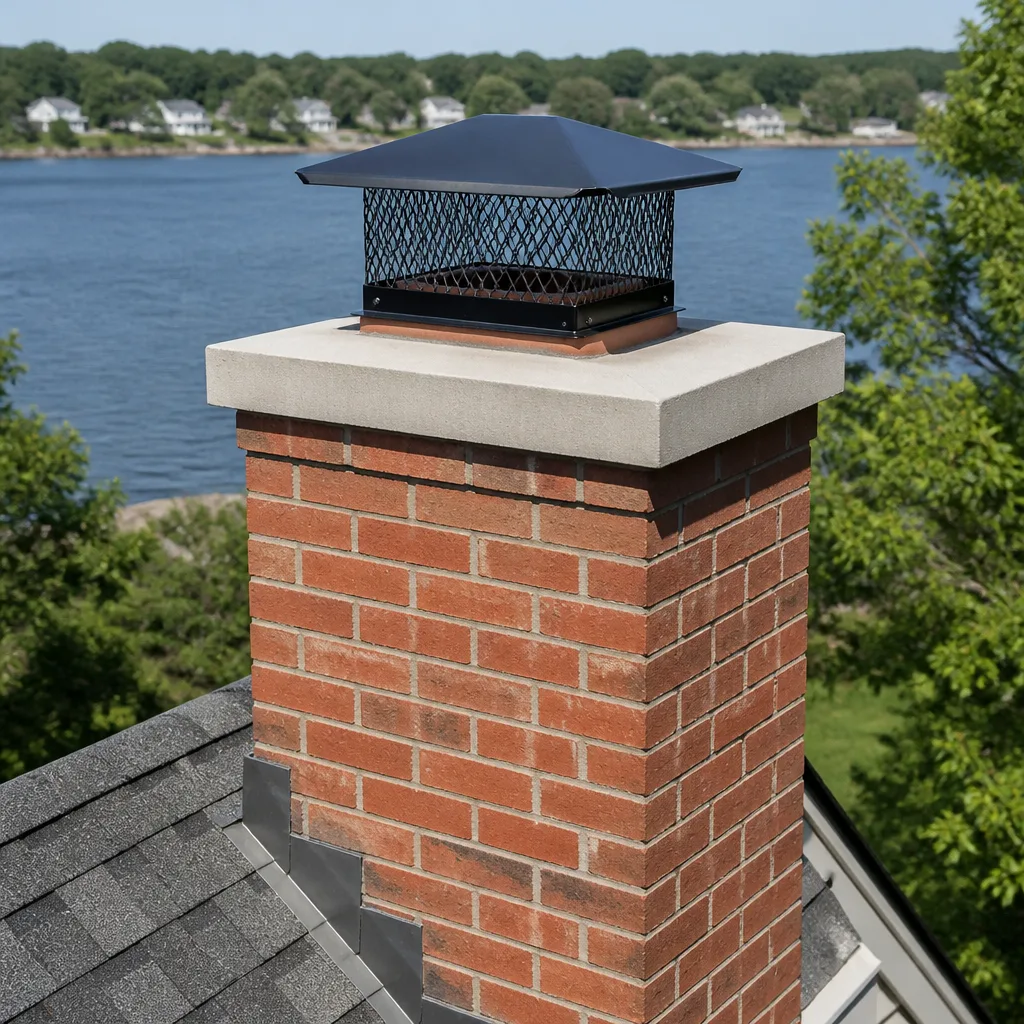 Caps & crowns
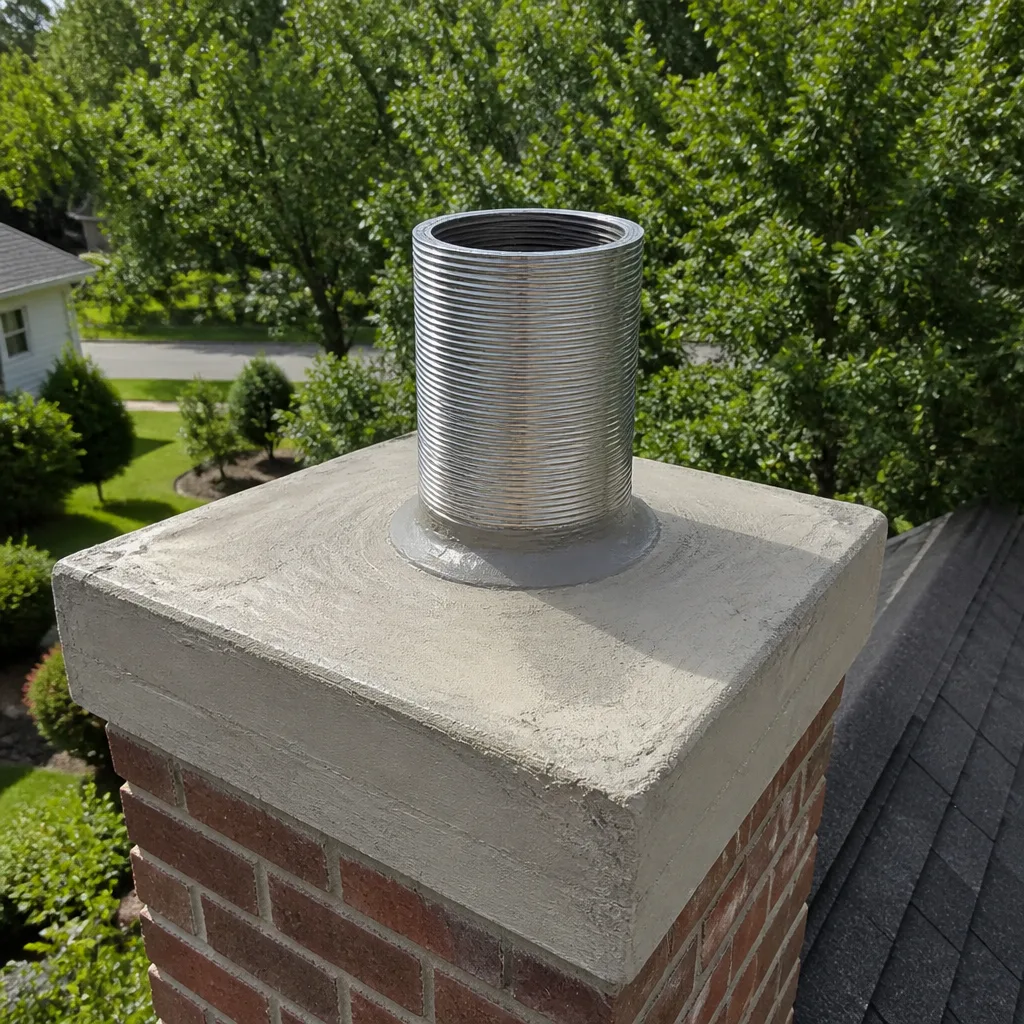 Flue relining
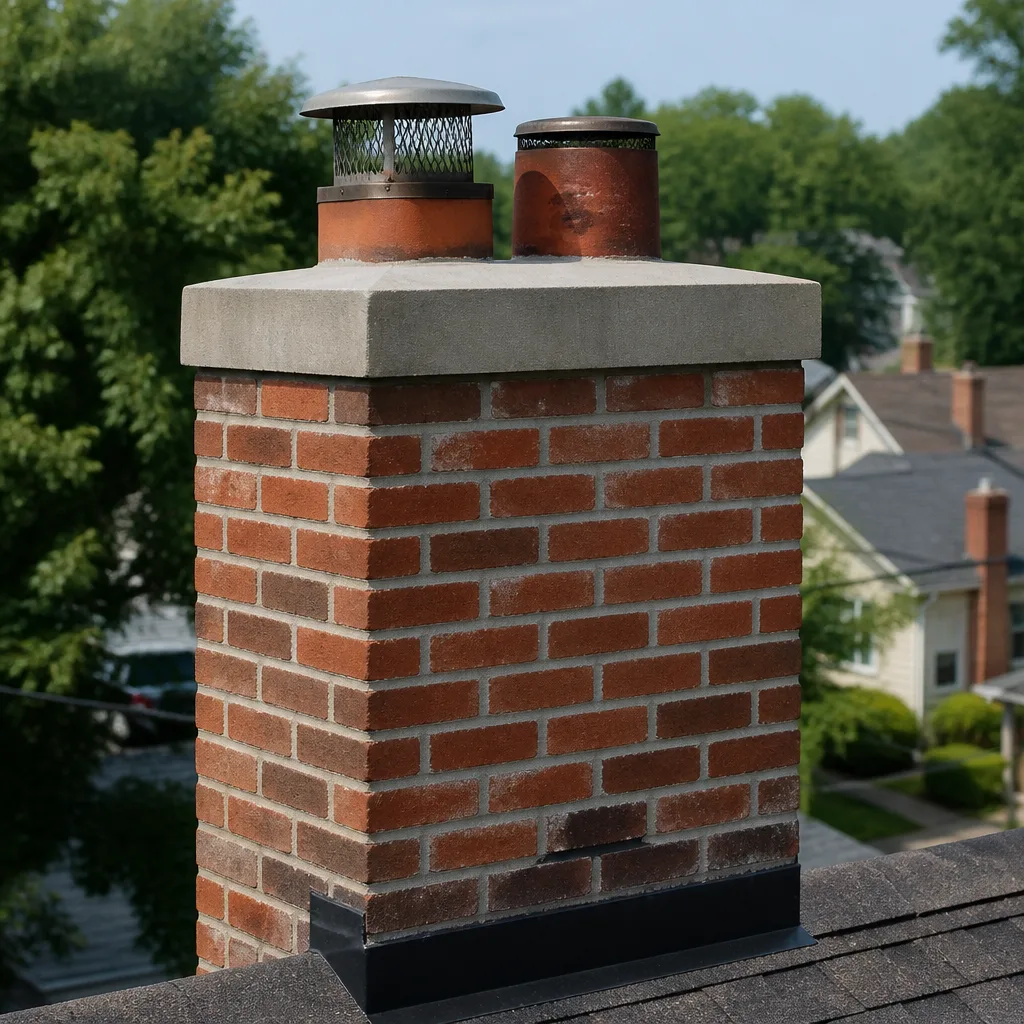 Masonry repair
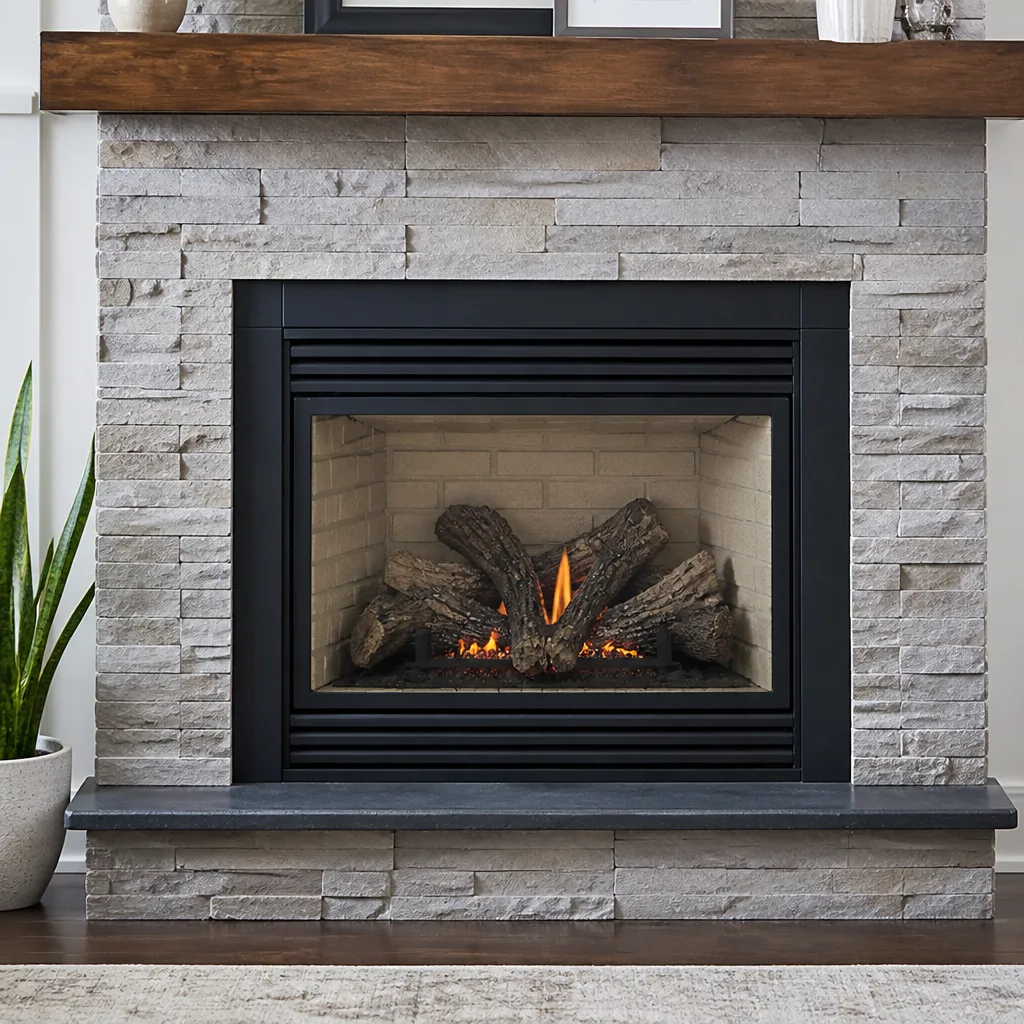 Gas fireplace service
Level 1 sweep and inspection to the NFPA 211 annual standard - flue, crown, cap, and flashing checked and photographed
Chimney sweep logs do not sweep chimneys. They loosen some creosote - which then falls where a brush and vacuum still have to collect it.
Choosing the Right Chimney Cleaning Brand: A Buyer’s Guide for South Fulton
Two chimney companies can quote the same crown repair using materials with a 2-year service life and a 15-year service life. The invoices will look nearly identical. You won’t know the difference until the day it fails, and by then the company is long gone from your driveway. That’s the part of chimney work homeowners never get to see: the products behind the labor. The “brand” question in chimney cleaning isn’t really about logos on a magnet. It’s about what a company installs, how it diagnoses, and whether it can name the spec it’s using. This guide shows you how to tell the difference, so you can pick a crew in South Fulton that does the job right the first time.
Quick Answer
The right chimney cleaning brand in South Fulton is the one that can name the exact products it installs (HeatShield for liner resurfacing, DuraFlex for full relining, professional-grade caps and sealants), bring a camera to the inspection, and walk you through what it found before recommending anything. Cleaning is the easy part; the brand question is really a materials and methods question, and the companies that answer it plainly are the ones worth hiring.
Styles & brands we work with
- Sweep & inspection
- Caps & crowns
- Flue relining
- Masonry repair
- Gas fireplace service
Table of Contents
- Why chimney materials matter more than the labor quote
- What industry-grade chimney materials actually look like
- Questions to ask about the products a company installs
- Camera scans vs. visual-only inspections
- Cleaning sellers vs. diagnosticians: how to tell them apart
- What CSIA, NFI, and NCSG credentials really mean
- Why South Fulton homes put specific demands on chimney work
- How to read a chimney quote line by line
Why chimney materials matter more than the labor quote
The chimney industry has a quiet quality gap, and it lives inside the products. A crown repair is a good example. The crown is the concrete cap at the top of the chimney that sheds water away from the flue and masonry. Done with a flexible, purpose-made crown sealant, it can hold up for years against Georgia’s summer thunderstorms and winter freezes. Patched with a hardware-store mortar mix not rated for exterior chimney use, it can crack inside a season, and water starts working into the brick again before the second rain.
The homeowner sees the same thing either way on the invoice: “crown repair.” Same line item. Same price range. Wildly different lifespan.
This is the core insight of buying chimney work. The labor you can watch. The materials you can’t. And the materials are what determine whether a repair lasts or comes back. This is why the brand question matters so much. When a company uses HeatShield ceramic resurfacing for liner repair, or Gelco products, or Olympia Chimney stainless liner systems, it’s telling you it has chosen a product built for the job rather than the closest substitute on the shelf.
At Valor Chimney Cleaning, we work with a curated lineup of professional-grade brands: DuraFlex, HeatShield, Gelco, Olympia Chimney, Famco, and Copperfield. That’s not a marketing list. It’s the material set the trade actually relies on for durable, code-compliant repairs. When you ask a South Fulton company what they install, you’ll learn more about their standards in one sentence than from any brochure.
What industry-grade chimney materials actually look like
Most homeowners can’t tell a professional-grade material from a big-box substitute just by looking. But the categories are well known in the trade, and once you know them you can spot the shortcuts in a quote.
Liner repair and relining. The flue lining is the most important safety component in a chimney. It carries flue gases up and out and shields the surrounding masonry and wood framing from heat and creosote. Industry-grade systems include HeatShield ceramic resurfacing (a cost-effective repair for liners that are cracked but still sound enough to restore without full replacement) and stainless steel flexible liners like those from DuraFlex and Olympia Chimney. Aluminum liners are the cheaper substitute, fine for a few limited venting situations but not the equivalent of a stainless system.
Crown repair. Professional-grade flexible crown sealants and purpose-made crown mixes are built to flex with the chimney and shed water. General-purpose mortar is not. Ask what specific product the crew is mixing, and whether it’s rated for exterior chimney crown use.
Caps and dampers. A properly fitted stainless or copper cap with a mesh spark screen is standard. Hardware-store substitutes often come in sizes that don’t fit cleanly, which lets water, birds, and debris into the flue. Companies working with brand-name cap manufacturers (Famco is one example) can specify a fit instead of improvising one.
Sealants and wash. Any waterproofing or crown wash sealant should be rated for chimney masonry. Exterior house paint or general masonry sealer can trap moisture in the brick rather than shed it, and trapped moisture is what freezes and spalls in a cold snap.
Here’s the test to keep in your pocket: if a company can’t name the specific product it plans to install, assume it hasn’t chosen one specifically. That may sound harsh. But every professional-grade material in this trade has a name, and a chimney specialist knows the name the way a plumber knows which valve brand they habitually pick up.
Questions to ask about the products a company installs
This is the part most homeowners skip. If you only ask one question in the buying process, make it a materials question. The answers tell you whether you’re hiring a chimney professional or a generalist who happens to own a brush.
Start with these, and listen carefully to how specific the answers are:
- What specific product would you use for a crown repair on my chimney, and why? A professional should name a product and a reason, not just say “mortar.”
- If my liner needs repair, would you use HeatShield ceramic resurfacing or a full relining system, and what’s the deciding factor? The right answer mentions condition of the liner, flue integrity, and code requirements, not just price.
- If relining, what brand and material is the liner? Stainless steel systems from a known manufacturer (DuraFlex and Olympia Chimney are examples) are the professional standard. Aluminum is not the equivalent.
- What cap will you install and how will you confirm it fits? A brand-name cap, correctly measured, is the standard. “Whatever’s in the shop” is a warning sign.
- Does the price include a camera scan, and will I get the footage or a photo report? This is the single biggest differentiator. We’ll cover it in the next section.
- Does the quote break out materials from labor? You shouldn’t have to guess what you’re paying for.
If a company can’t answer these, that’s not automatically dishonest. It’s a sign the crew doesn’t do this kind of work often enough to have chosen products deliberately. For a routine chimney sweep, that might be fine. For any repair that involves a liner, a crown, or masonry, it isn’t. You want a crew that pulls a specific product off the shelf for a specific reason.
Camera scans vs. visual-only inspections
A visual inspection from the firebox tells you what you can see. A camera scan tells you what’s happening in the flue you can’t. Those are not the same thing, and the price difference between the two on a quote is often swallowed by a line item that sounds identical: “inspection included.”
Here’s how to tell which kind you’re being sold:
- Is there a camera in the quote? If the word “camera” doesn’t appear, ask directly. A professional-grade scan uses a video camera on a rod or a cable, run the full height of the flue, with a light and a recording.
- Do you get to see the footage? The best companies show you the scan on a screen in your own living room, and the good ones send you a photo report after the visit. If all you get is “it looked fine up there,” you didn’t buy an inspection.
- What documentation comes with the visit? A photo report you can keep is worth more than a verbal summary. It also matters at resale, and it lets you compare a future scan against a baseline.
- Does the inspection surface conditions or clues? A camera scan reveals cracked flue tiles, gaps in the liner, heavy glaze creosote, and offsets that a firebox-only visual can’t show. Those are the findings that drive safety decisions.
The camera scan is the difference between “we cleaned it” and “we know what’s in there.” South Fulton homes with a wood-burning fireplace or stove have real creosote accumulation to worry about, and creosote is a fire fuel. A visual-only visit might miss a hairline crack that a camera finds in seconds. This is the single highest-leverage upgrade to ask for when you book a chimney repair or even a routine cleaning.
In our experience, the quote format is a reveal. A diagnostic company’s quote typically starts with what was found and then maps findings to recommendations. A cleaning-sales company’s quote typically starts with a package price and mentions findings only in passing. Look at what appears at the top of the page.
Cleaning sellers vs. diagnosticians: how to tell them apart
There are two business models in this trade, and the difference shows up everywhere once you know what to look for. A cleaning seller is set up to run sweeps. A diagnoser is set up to find the problem and fix it. Both may sweep, but only one is going to catch a failing liner before it becomes a hazard.
Here’s how to tell them apart, in the order the differences usually appear:
- Their website. A diagnoser’s site talks about inspection, liner systems, crown repair, and camera work. A cleaning seller’s site talks almost entirely about sweeping and pricing per flue.
- Their intake questions. When you call, do they ask what you burn, how often, whether you’ve had a chimney fire, what the top of the chimney looks like, and when the last inspection was? Or do they just ask “one flue or two?” The questions tell you how they think.
- Their quote format. A diagnoser’s quote leads with findings and photos. A cleaning seller’s quote leads with a package. Ask for a written estimate and read the top line.
- Their service list. A company that only sweeps can’t fix what it finds. If a repair is needed, you’ll be calling someone else – and you’ll be coordinating two companies for one chimney. That gap is exactly why we offer sweeping, inspection, and repair as one service. One company sees it through from the first scan to the finished repair.
- Their camera. A diagnoser brings one every time. A cleaning seller brings one only if you ask, and sometimes not even then.
None of this is about price. It’s about what you’re buying. If all you want is a sweep, the cleaning seller does the job. If you want to know what’s going on inside the flue, you want a diagnoser. The repairs you avoid because someone found the problem early are worth more than the sweep you saved twenty dollars on.
What CSIA, NFI, and NCSG credentials really mean
Credentials matter, but they’re a floor, not a ceiling. Understanding what each one represents helps you read a company’s claims with a clear head.
CSIA (Chimney Safety Institute of America). The CSIA is the credentialing body for chimney sweeps in the U.S. A CSIA-certified sweep has passed a written exam and committed to a code of ethics. It’s a real signal of baseline competence. It doesn’t tell you what products the company installs.
NFI (National Fireplace Institute). NFI certifies people in specific appliance categories – wood, gas, pellet. A company with NFI-certified technicians is more likely to be set up for installation and diagnosis, not just sweeping. It’s a useful signal when you have a specific appliance to look at.
NCSG (National Chimney Sweep Guild). The NCSG is the trade association. Membership signals that a company is plugged into the trade’s continuing education and standards. It’s another useful check, but it doesn’t tell you whether the company uses professional-grade products.
Here’s the honest read. These three credentials are worth checking. They tell you the company has taken the work seriously. But they don’t differentiate one technically rigorous chimney professional from another. The differentiator is in what comes next: the products, the diagnostics, the inspection report format, and whether one company can see a job through from scan to repair. Credentials are the resume. The materials are the actual work.
So verify the credential, then move on to the questions that matter. Ask what brand goes in the flue, ask whether the camera is coming out, ask what the report will look like when the visit is over. Those are the answers that separate one chimney company from another in South Fulton.
Why South Fulton homes put specific demands on chimney work
Chimney work is always local. The climate, the housing stock, and the trees around a house all shape what a chimney needs. South Fulton sits in the Atlanta metro with a mix of older masonry chimneys and newer builds, and the local conditions make certain products more important than they would be in a milder climate.
Georgia’s four seasons matter here. Summer brings intense, driving thunderstorms that test every crown and cap on every chimney. Winter brings enough hard freezes to crack poorly sealed crown repairs and spall brick that’s absorbed moisture. A crown sealant that works in a mild climate may fail within a few seasons here, which is why professional-grade crown products aren’t a luxury in South Fulton.
The tree canopy across South Fulton is another factor. Pine, oak, and sweetgum drop debris onto roofs and into chimney caps throughout the year. A properly fitted cap with a spark screen, installed by a crew that measured for the specific flue, is what keeps that debris out. A hardware-store cap that doesn’t seal properly lets the debris in and lets water follow.
Creosote builds up in any wood-burning chimney, and it’s the reason the inspection matters more than the annual cleaning in this climate. South Fulton homes that burn regularly through winter have real creosote accumulation to check. A camera scan is what catches glaze creosote, cracked tile, and liner gaps before they become a fire risk or a carbon monoxide concern. These aren’t hypothetical hazards. They’re the exact things the camera and the diagnostic visit are designed to find.
If you’re in South Fulton and haven’t had a chimney inspection in a while, the camera is the single best thing you can ask for. The materials and methods are the same story: the right product for the right job, chosen deliberately. If you want to read more about how we approach the local work, take a look at South Fulton and what servicing the area involves.
How to read a chimney quote line by line
A chimney quote is not a list of prices. It’s a list of decisions. Reading it line by line tells you whether the company made the decisions thoughtfully or defaulted to whatever was easiest.
Here’s what to look for, in order:
- The findings section. A diagnoser’s quote starts with what the scan found. If the quote jumps straight to pricing, ask for the findings in writing.
- The camera evidence. Photos or a photo report should be referenced. If they aren’t, ask for them before you approve anything.
- The named products. Each repair line should name a product. HeatShield for liner resurfacing. A stainless system from DuraFlex or Olympia Chimney for relining. A specific cap brand and model. If the line just says “liner repair,” ask what product and why.
- The reason for each repair. A good quote explains why each item is recommended and what happens if it’s deferred. Some work can wait safely, and a professional will tell you which pieces those are. If every line is urgent, ask which ones can wait.
- The line between materials and labor. Even a rough split tells you where the money is going. You shouldn’t have to guess.
- The total and the payment process. Confirm what the written estimate covers and what it doesn’t, and make sure the estimate sets the final price.
This is exactly the process we follow on every job, and it’s how we decide which products go on a chimney. HeatShield for the liner that can be resurfaced. DuraFlex for the liner that needs full relining. Gelco, Olympia Chimney, and Famco for the specific products that fit the job. We repair what we find, with the right product for the job, and we put the reason in writing so you can see it.
Common Mistakes to Avoid
- Comparing quotes on price alone. Two bids for “crown repair” can hide very different products with very different service lives. Ask what specific product is going in before you compare the numbers.
- Hiring a sweep who doesn’t bring a camera. A visual-only inspection from the firebox can’t see the flue. If the camera isn’t part of the visit, you’re buying a cleaning, not an inspection.
- Accepting a liner replacement without a camera scan. The liner decision should be based on what the camera actually showed, not on a description you can’t verify. Ask to see the footage.
- Choosing a company that only sweeps. If a problem turns up, you’ll be coordinating a second contractor. The repairs that follow a sweep are exactly where you want the same company that found them.
- Skipping the cap or accepting a loose fit. South Fulton’s tree debris and heavy rain make a properly measured, brand-name cap a real value. An ill-fitting cap lets in the very things it should keep out.
- Ignoring a “wait on this” recommendation. A good diagnostician will tell you when a repair can safely be deferred. If everyone you call pushes urgent work with no camera evidence, treat that as a warning sign.
- Assuming credentials are enough. CSIA, NFI, and NCSG credentials are worth checking, but they don’t tell you which products the company installs or how it diagnoses. Ask about the materials and the camera.
See the difference
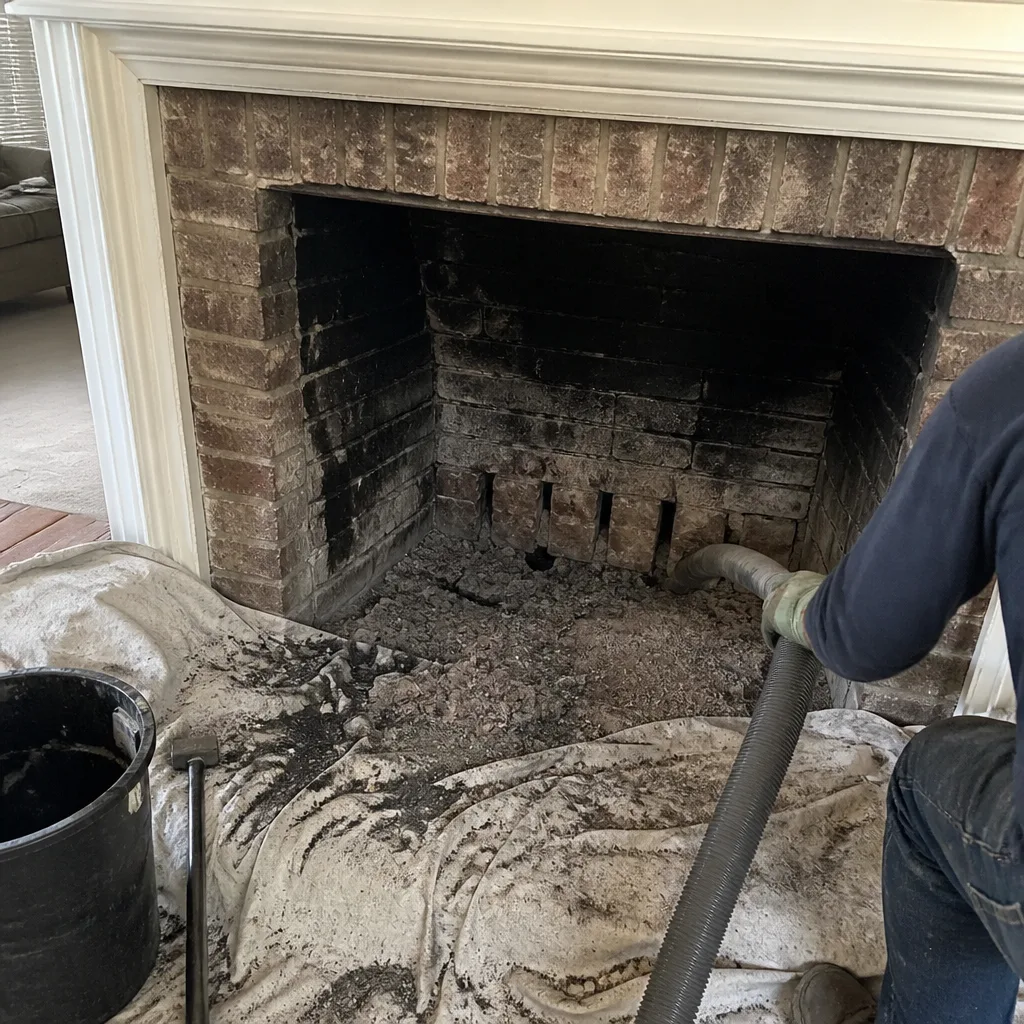 Before
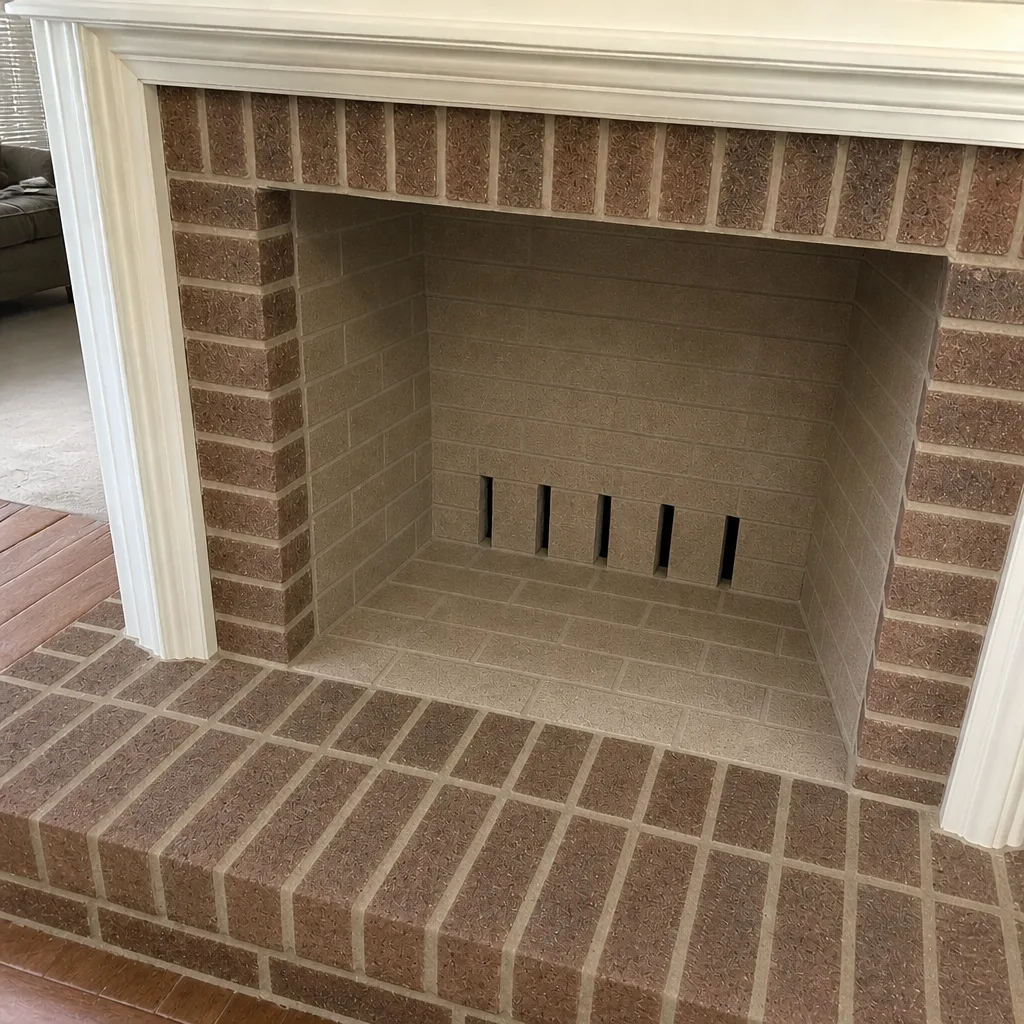 After
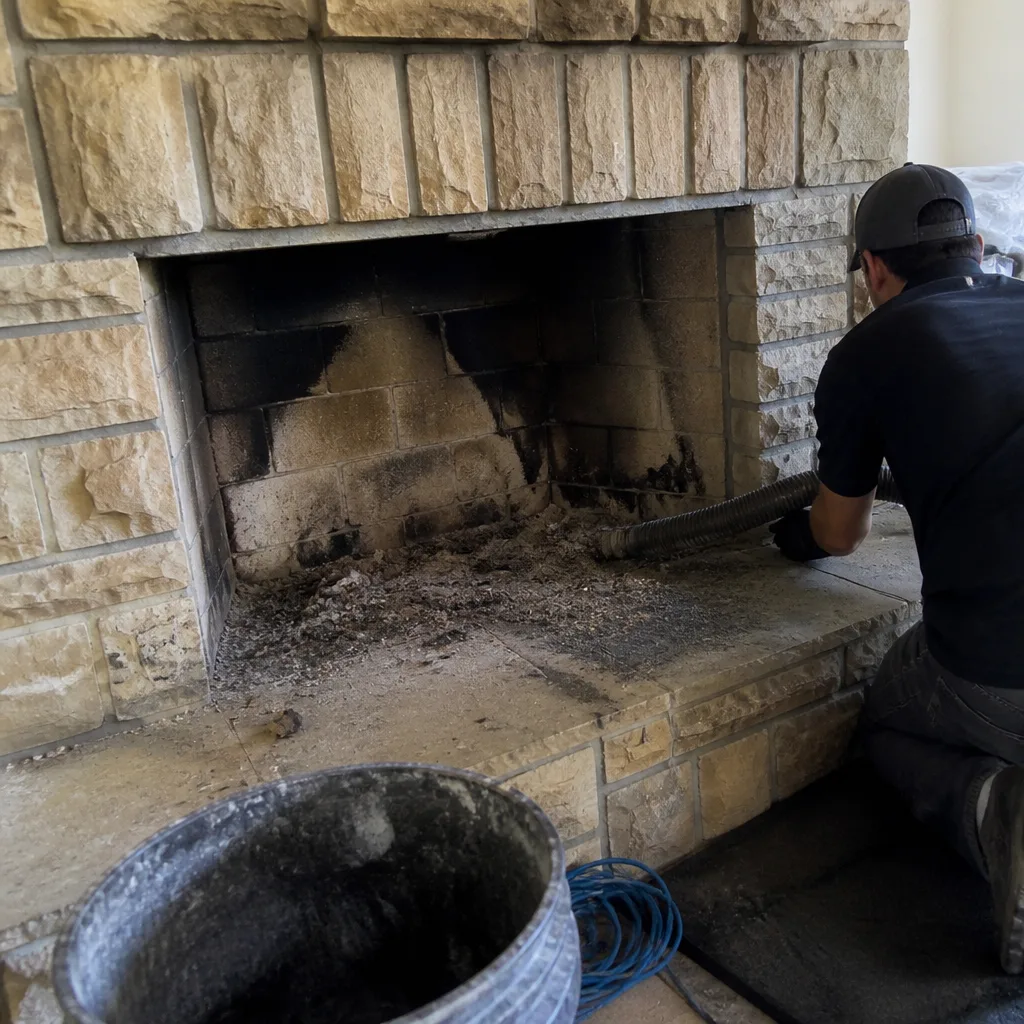 Before
 After
 Before
 After
When to Call a Professional
Some signs are clearly a job for a trained chimney professional, and they’re worth acting on before the season turns. Call when you smell a strong, smoky smell in the house after a fire, when you see soot streaks above the firebox, when the damper is stiff or stuck, when the chimney cap is damaged or missing, or when you can see cracking or missing mortar at the crown. Those are safe, diagnostic reasons to book a visit. Then there’s actual danger: a chimney fire you’ve had, a glow or a boom from the flue, or any carbon monoxide alarm near the chimney or heating appliance. That’s an immediate call to a trained professional, because cracked liners and closures can carry carbon monoxide into the house, and those conditions aren’t DIY territory.
On the buying side, the rule is simpler. If you can’t verify what’s being recommended with a camera scan, you shouldn’t be approving a repair. A chimney professional should back up every recommendation with footage you can see for yourself, and tell you plainly when a repair can wait.
If you’ve been putting off a chimney inspection in South Fulton, we can help. Valor Chimney Cleaning offers a full scope of chimney work – sweeping, inspection, and repair – with professional-grade products and camera evidence. Call (888) 268-0915 for a free estimate. We answer 24/7. Fast dispatch from 7am to 7pm, Sunday through Friday.
Frequently Asked Questions
The best chimney cleaning brand in South Fulton is the one that can name the specific products it installs and back up every recommendation with a camera scan. That means using professional-grade materials like HeatShield for liner resurfacing, DuraFlex or Olympia Chimney for relining, and brand-name caps like Famco, not hardware-store substitutes. Ask the company what it installs. The answer tells you what kind of brand it is. If you want a company that can show you the answer in writing, call (888) 268-0915 for a free estimate.
Typical chimney sweep pricing in the South Fulton area depends on the flue type and the level of inspection included, and the written estimate sets the final price. A sweep that includes a camera scan and a photo report is the version to request, since it’s the one that can actually find a cracked liner or glaze creosote. Prices vary by condition and by the products used for any repair, and we’re glad to give you a free estimate on the visit. Call (888) 268-0915 for an exact quote – estimates are free.
Not always. A cracked or deteriorated liner can sometimes be resurfaced with HeatShield ceramic rather than fully relined, which is a cost-effective repair that restores the liner’s function. Full relining with a stainless system like DuraFlex is the right call when the liner is beyond resurfacing or the flue isn’t structurally sound. The decision should come from what the camera scan actually shows, not from a verbal description. Ask to see the footage, then decide. Call (888) 268-0915 if you want a second look before approving a liner replacement.
A chimney should be swept whenever creosote buildup reaches the point that the flue needs cleaning, and inspected regularly even if the sweep shows no accumulation. For most homes burning wood regularly through winter, that works out to a sweep check at least once a year, plus an inspection with a camera scan to catch what a sweep alone can’t see. South Fulton’s long burning season makes a steady yearly rhythm worth keeping. Call (888) 268-0915 to book a sweep and scan – estimates are free.
A camera scan uses a video camera run the full height of the flue and reveals cracked tiles, liner gaps, heavy creosote, and offsets that a visual inspection from the firebox cannot show. A visual-only inspection tells you what’s visible from the bottom of the chimney, which is a small part of the picture. For any liner decision or repair recommendation, insist on the camera. If a South Fulton company can’t show you the footage, ask a company that can. Call (888) 268-0915 to book a scan with the findings in writing.
Yes, because the products determine how long a repair lasts. Professional-grade materials like HeatShield, DuraFlex, Gelco, Olympia Chimney, and Famco are chosen for durability and code compliance, while generic substitutes may fail in a season or two. The labor you can watch; the materials you can’t. Ask what specific product goes in the flue before you approve any repair. Our crew works with a curated lineup of professional-grade brands, and we’ll show you what we’re using and why. Call (888) 268-0915 for a free estimate.
The Bottom Line
The “brand” question in chimney cleaning is a materials-and-methods question. The products a company installs – HeatShield for liner resurfacing, DuraFlex or Olympia Chimney for relining, brand-name caps and crown sealants – determine how long a repair lasts as much as the labor does. Ask what specific product goes into your chimney, insist on a camera scan with a photo report, and read the quote line by line to see what was actually chosen. In South Fulton, those answers tell you more than any brochure. Cleaning is the easy part. Materials and diagnostics are what set a chimney professional apart. If you want to see those standards in action, we’re here to help.
If you’re ready to book an inspection, a sweep, or a repair estimate in South Fulton, Valor Chimney Cleaning is a call away. Call (888) 268-0915 for a free estimate. We answer 24/7. Fast dispatch from 7am to 7pm, Sunday through Friday.
Written by the team at Valor Chimney Cleaning.