
Last updated November 16, 2026
 Sweep & inspection
 Caps & crowns
 Flue relining
 Masonry repair
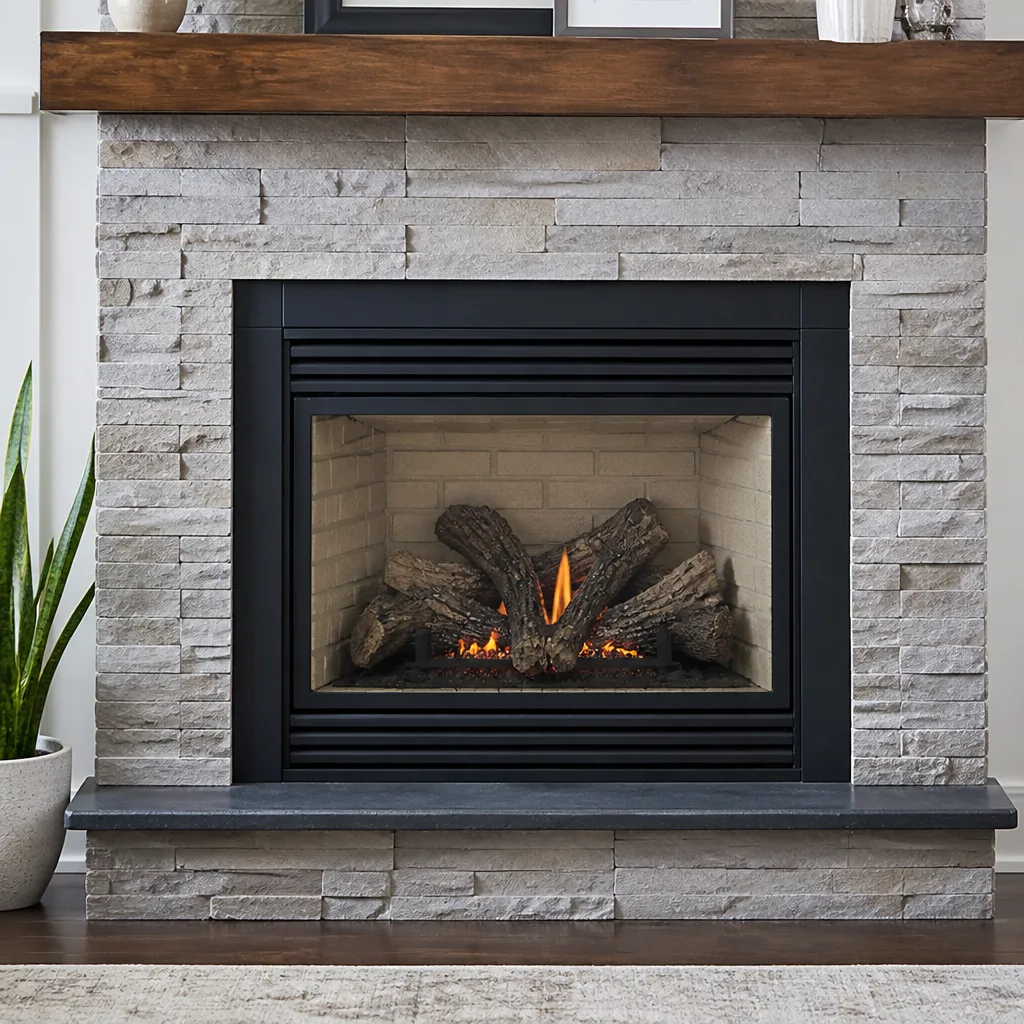 Gas fireplace service
Level 1 sweep and inspection to the NFPA 211 annual standard - flue, crown, cap, and flashing checked and photographed
Chimney sweep logs do not sweep chimneys. They loosen some creosote - which then falls where a brush and vacuum still have to collect it.
The Complete Guide to Chimney Cleaning in South Fulton
Most chimney fires in Georgia aren’t caused by neglect alone. They’re caused by homeowners who cleaned on schedule but never learned what their sweep was actually looking for. A sweep that removes soot and leaves without a word about flue condition, creosote stage, or masonry cracking has done half its job. In South Fulton, where the burning season is short but the flue runs cool, that gap matters more than most people realize. This guide explains what chimney cleaning actually involves here, how the area’s housing stock changes what a technician finds, and how to read the report you get afterward so you know whether your chimney is genuinely safe to use.
Quick Answer
Chimney cleaning in South Fulton is a diagnostic process, not just a brushing. A proper service includes mechanical sweeping of the flue, a visual assessment of creosote type and buildup, and documentation of any cracks, gaps, or liner damage found along the way. How often you need it depends on how much you burn and what you burn, but a yearly evaluation before the burning season is the baseline most chimney professionals recommend.
Styles & brands we work with
- Sweep & inspection
- Caps & crowns
- Flue relining
- Masonry repair
- Gas fireplace service
Table of Contents
- Why Chimney Cleaning in South Fulton Is a Diagnostic Process
- How South Fulton’s Mild Winters Affect Creosote Buildup
- What Your Home’s Era Tells You About Your Chimney
- Level 1, 2, and 3 Inspections: Which One Applies to You?
- How to Read a Sweep Report
- What a Professional Documents That a Handyman Doesn’t
- Clay Soil, Masonry, and the South Fulton Foundation
- When to Call a Professional
- Common Mistakes to Avoid
Why Chimney Cleaning in South Fulton Is a Diagnostic Process
A chimney sweep is a maintenance task. Chimney cleaning, done properly, is an evaluation that happens to include maintenance. The distinction shows up in what a technician is looking for while the brush is running and what gets written down afterward.
In South Fulton, the diagnosis begins with the firebox. What kind of appliance is connected? Is it a wood-burning fireplace, a wood stove insert, or a gas-converted unit that used to burn wood? The answer changes everything downstream – the flue size required, the creosote profile to expect, and the inspection level that applies. A 1980s brick ranch in Sandtown with an original masonry fireplace and a newer gas log set has a different risk profile than a home built in the 2000s with a factory-built flue.
What a diagnostic approach actually involves:
- Appliance identification: confirming what’s venting into the flue and whether the liner matches that appliance.
- Creosote staging: classifying buildup as stage 1 (soot and flaky deposits), stage 2 (hard, crusty, tar-like), or stage 3 (glazed, fuel-rich deposits that require specialized removal).
- Flue and liner assessment: checking for cracked tiles, gaps at joints, deteriorated mortar, and liner separation.
- Exterior masonry review: looking at the crown, flashing, and brickwork for signs of water intrusion.
- Documentation: writing down what was found, in what condition, and what it means for safe use.
That’s the difference between a sweep and a chimney professional. The brush removes the hazard you can see. The assessment finds the hazard you can’t. When we clean a chimney in South Fulton, the cleaning is one step in a larger system evaluation that tells you whether the chimney is safe to burn in, what needs attention, and what can wait. A clean chimney is a safe chimney, but only if you know what condition it’s in after the brush comes out.
How South Fulton’s Mild Winters Affect Creosote Buildup
Creosote formation isn’t about how much wood you burn. It’s about how hot the flue runs and how completely the fire burns. South Fulton’s burning season is short – a handful of cold snaps between November and February – and that creates a specific deposition pattern that differs from what you’d find in colder climates.
Here’s what happens. A homeowner lights a fire on a cool evening, burns it for a few hours, and lets it die down overnight. The next fire might not happen for a week. The flue warms up, then cools down, then warms up again. Cool flue temperatures mean incomplete combustion of the creosote-forming compounds in wood smoke. Those compounds condense on the flue walls as a wet, tar-like film that hardens into stage 1 glazed creosote over time.
The result is less total buildup volume than you’d see in a home that burns continuously all winter, but a higher proportion of glazed, hard-to-remove deposits. Stage 1 glazed creosote is deceptive because it looks thin. It’s also the most flammable category.
What this means for your cleaning schedule
A home in South Fulton that burns two or three cords of wood a season may need an annual sweep – the standard recommendation in colder climates – or it may not. What determines the answer is how the flue is actually running:
- Short, hot fires produce less creosote than long smoldering burns. Burning hot reduces condensation.
- Seasoned wood – split and dried for a year or more – burns cleaner than green wood, which produces more creosote and more water vapor.
- Cool flue starts on mild evenings deposit more creosote than fires lit into an already-warm chimney.
- A gas conversion changes creosote risk entirely – gas appliances vent differently and don’t produce creosote, but they do need their own inspection for venting and carbon monoxide risk.
The practical takeaway: South Fulton’s climate doesn’t reduce your risk, it changes the shape of it. Thin, glazed deposits can accumulate in flues that look clean from the firebox. A visual check from below won’t tell you what’s on the upper flue walls. That’s what the sweep and the camera inspection are for.
What Your Home’s Era Tells You About Your Chimney
South Fulton’s housing stock is a mixed bag, and the year a home was built predicts a lot about what a chimney technician will find. This isn’t about age in the abstract. It’s about what was standard practice when the chimney went in and how well that practice has held up.
An older brick ranch in Sandtown, built decades ago, typically has a masonry fireplace with a clay tile flue liner. The tile joints were mortared, the crown was poured, and the firebox was lined with firebrick. Those materials hold up well when they’re dry. What they don’t do well is tolerate water intrusion. Cracks in the crown or gaps in the flashing let water in, and water in a clay liner leads to spalling tile and loosened joints over time.
Homes built in the 1990s and early 2000s, more common in the City of South Fulton and newer subdivisions, often have factory-built fireplaces with metal flues. Those flues are lighter and less prone to masonry damage, but they still need inspection. Factory-built flues have gaskets and joints that can separate, and they’re designed for specific appliance configurations. Swapping in a wood stove insert on a system built for a fireplace is a common hazard.
Gas-converted homes are a third category. Converting a wood-burning fireplace to gas logs or a gas insert changes the venting requirements, and it also changes the inspection criteria. A gas appliance needs verification of adequate draft, correct vent termination, and no blockage. It also needs a carbon monoxide check, because a gas flue that vents poorly is a different kind of hazard than creosote buildup.
How to find out what you have
- Look at the firebox. Brick and firebrick points to masonry; metal panels point to factory-built.
- Check the damper and throat. A metal damper assembly in a masonry surround is typical of older construction.
- Look for a data plate on the fireplace opening. Factory-built units have one that identifies the model and clearances.
- Ask for records. If you bought the home recently, the seller may have inspection reports or service records.
- Have a technician confirm the system type before any cleaning begins. It’s the first step in every job we do in South Fulton.
This is also where a chimney repair conversation often starts. What looks like a cleaning need in an older home sometimes turns out to be a liner issue or a crown that’s failing. We repair what we find, with the right product for the job, and we document it before work is recommended.
Level 1, 2, and 3 Inspections: Which One Applies to You?
Chimney inspections are classified by depth, and the classification isn’t arbitrary. It tells you what was checked, what tools were used, and what the findings actually cover. Confusing one level for another is one of the most common problems we see in South Fulton.
Level 1 inspection
A Level 1 inspection covers readily accessible portions of the chimney and firebox with no tools beyond a flashlight and basic optics. It applies when the appliance hasn’t changed, the chimney is in known service, and there’s no reason to suspect a problem. Most annual maintenance visits include a Level 1 inspection, and it’s the baseline documentation you should get with every cleaning.
Level 2 inspection
A Level 2 inspection goes further. It covers accessible portions of the chimney, attic, and crawlspace, and it typically includes a video camera scan of the flue interior. Level 2 is required when there’s a change in the system – a new appliance, a change in fuel type, a property sale, or a known event such as a chimney fire or earthquake. For South Fulton homeowners who’ve recently bought a home, this is often the inspection that actually applies, even if the previous owner had a sweep done before closing.
Level 3 inspection
A Level 3 inspection is diagnostic and can involve removing parts of the chimney or building components to access concealed areas. It’s used when a Level 1 or Level 2 inspection reveals a serious hazard that can’t be evaluated without access to hidden areas. Level 3 is uncommon, but it’s appropriate when there’s evidence of significant structural damage.
Which one do you need?
- Buying a home in South Fulton: Level 2. The property sale is itself a triggering event.
- Annual maintenance on a system you know: Level 1.
- Adding a wood stove or changing fuel type: Level 2.
- After a chimney fire or a cracked flue finding: Level 2, moving to Level 3 if damage isn’t fully visible.
- You don’t know the history of the chimney: Level 2. It’s the safe default.
Our inspections align with NFPA 211 standards, and every cleaning includes a visual assessment of flue condition. If the visual check turns up something that needs a closer look, we tell you before we recommend repair work.
How to Read a Sweep Report
The report you get after a cleaning is the document that tells you what condition your chimney is in and what it needs. A useful report has specific information in it. A report that says “cleaned, no issues” tells you nothing you can act on, and the absence of detail is itself information about the contractor.
What a thorough report should include:
- Date of service and appliance type: confirms what was actually serviced.
- Creosote staging: the classification (stage 1, 2, or 3) and where in the flue it was found.
- Flue condition notes: cracks, gaps, spalling, joint condition. Photographs or video stills are preferable to descriptions alone.
- Firebox and damper condition: any cracking in the firebrick, damper operation, and clearance issues.
- Exterior observations: crown condition, flashing, and any visible masonry concerns.
- Recommendations: what was found, what it means, and what the next step is – with a clear distinction between urgent and deferrable items.
What missing information tells you
If the report doesn’t mention flue condition at all, the technician either didn’t check or didn’t document. Both are a problem. If it lists findings but no severity, you can’t tell whether a cracked tile is a cosmetic issue or a carbon monoxide risk. If there are no photos or video stills and you asked for a Level 2, the inspection wasn’t a Level 2.
A camera inspection and photo report included with the service is what we consider standard. You should be able to see what the technician saw. It’s your chimney and your safety – you shouldn’t have to take anyone’s word for what’s inside it.
What a Professional Documents That a Handyman Doesn’t
The gap between a general handyman and a chimney professional isn’t a matter of certification badges. It’s the difference between someone who can brush a flue and someone who can tell you what the flue is telling them. That difference shows up in the paperwork.
What a chimney professional typically documents:
- Appliance and venting configuration: the exact setup, the flue size, and whether the appliance matches the liner.
- Creosote type and distribution: not just “some buildup” but a staged classification and location.
- Liner integrity: joint gaps, tile cracks, and whether a stainless liner is present and properly sized.
- Structural findings: crown, flashing, mortar joint condition, and masonry movement, with photographs.
- Inspection level performed: the classification, so a future reader knows what was covered.
- Repair recommendations with materials: what product is appropriate – a HeatShield ceramic resurfacing for a liner that can be restored, or a DuraFlex stainless liner for a full reline – and why.
Why the paperwork matters for insurance
If you ever file a fire claim, the insurer’s first question is often about maintenance history. A documented, dated service record with findings and recommendations shows that you took reasonable steps to maintain the system. Many policies don’t cover damage resulting from neglect, and “we didn’t know” is a weak defense when no inspection was ever done. Having a professional report on file doesn’t guarantee a claim will be paid, but it puts your maintenance history on the record. Insurance requirements vary, so read your policy and ask your insurer what they expect.
This is one of the reasons we work with professional-grade materials from brands like Gelco and Olympia Chimney – not just on the repair side, but so that the documentation matches the products actually installed on the system.
Clay Soil, Masonry, and the South Fulton Foundation
South Fulton’s soil profile is a factor that most chimney guides don’t mention. The region’s clay-heavy soil holds water and shifts with seasonal moisture changes. Clay swells when wet and contracts when dry, and that movement affects anything sitting on it – including a masonry chimney footing.
A chimney is a tall, heavy masonry column that’s usually attached to the house on one side and independent on the other. When the soil under the footing moves, the chimney doesn’t move with the house in the same way. Over time, this can show up as:
- Separation at the flashing: a gap between the chimney and the roof line that lets water in.
- Cracks in the crown: the concrete cap at the top of the chimney, which is meant to shed water away from the flue.
- Step cracks in the brickwork: diagonal cracking that follows mortar joints and can indicate foundation movement.
- Lateral offset at the roofline: a chimney that leans away from the house, which is a structural concern.
None of these show up during a flue cleaning unless the technician is looking for them. This is part of why we treat cleaning as one step in a full system evaluation – the masonry condition is part of the chimney, and clay soil movement is part of the local picture in South Fulton.
If you’re seeing water stains on the ceiling near the chimney, efflorescence (white staining) on the brick, or a rusted damper, those are signs that moisture has been getting in. A chimney sweep visit is a reasonable place to start the assessment. A sweep alone won’t fix the water problem, but it will tell you whether the flue has been affected.
When to Call a Professional
Some chimney problems announce themselves. Others don’t. The ones that don’t are the reason to call a professional rather than wait for a symptom.
Call a professional if:
- You’ve never had the chimney inspected and you don’t know its history.
- You’re buying a home in South Fulton and need a Level 2 inspection before closing.
- You’ve noticed a strong odor from the fireplace even when it’s not in use.
- Smoke backs into the room when you light a fire.
- You see cracked or missing mortar joints in the firebox or flue.
- There’s water staining or white efflorescence on the exterior brick.
- You’re converting to gas logs or changing the appliance type.
Valor Chimney Cleaning offers free estimates in South Fulton – call (888) 268-0915. We answer 24/7. Fast dispatch from 7am to 7pm, Sunday through Friday. Every job starts with a diagnosis, not a sales pitch.
Common Mistakes to Avoid
These are the patterns we see most often in South Fulton, and they cost homeowners money or safety, sometimes both.
- Skipping the inspection because the sweep was recent. A cleaning and an inspection are different services. A sweep without a flue assessment removes the visible buildup but tells you nothing about liner condition.
- Assuming a gas conversion eliminates the need for service. Gas appliances don’t produce creosote, but they still need venting verification and carbon monoxide checks.
- Burning unseasoned wood to save money. Green wood produces more creosote and more water vapor, which is exactly the combination that accelerates glazed deposits in a cool flue.
- Ignoring water intrusion because the fire still works. A chimney can function for years while water slowly damages the liner and masonry. The failure is rarely sudden when it finally happens.
- Hiring a handyman who “also does chimneys.” The difference is visible in the report. If there’s no documented flue assessment, there was no assessment.
- Waiting for the smell before scheduling. A smoky odor is a symptom, not an early warning. By the time you smell it, the buildup or blockage is already significant.
- Not keeping the paperwork. A dated service report is your maintenance record. Store it with your home documents.
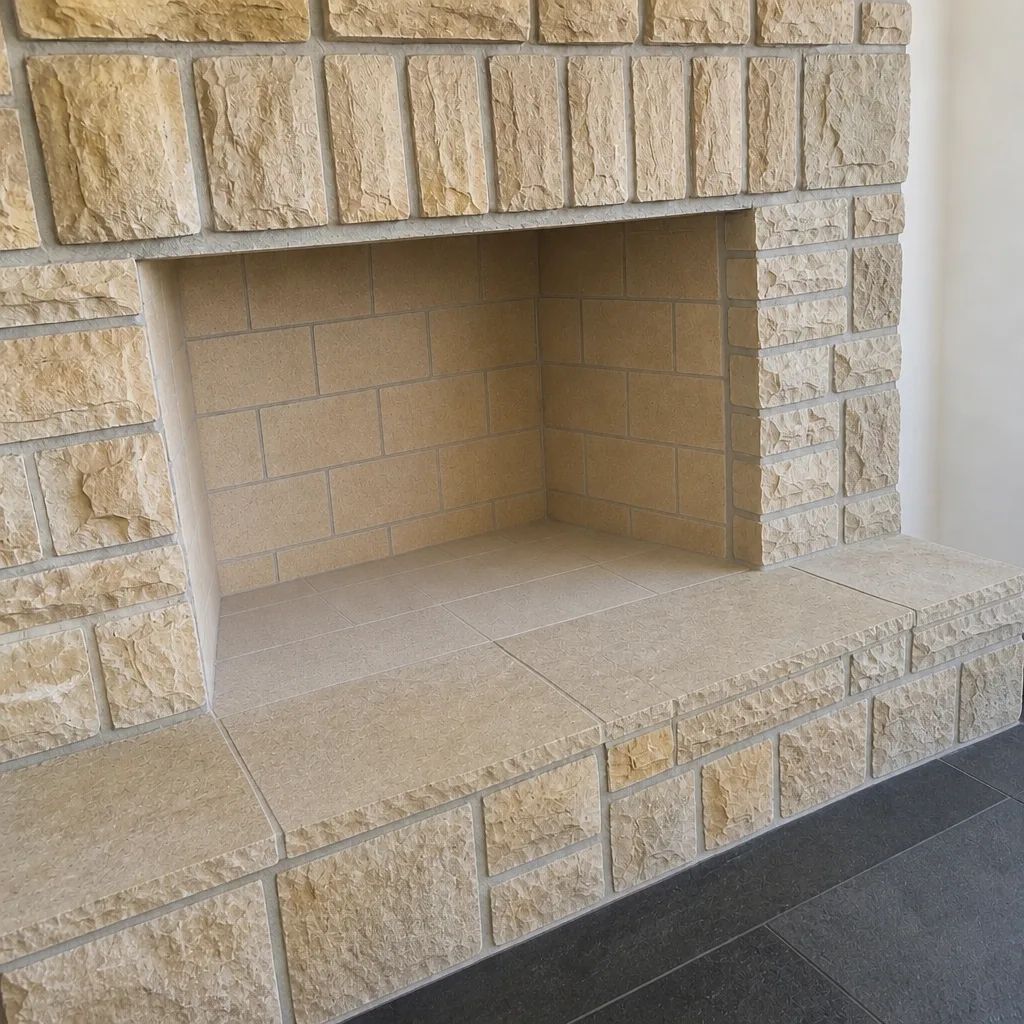
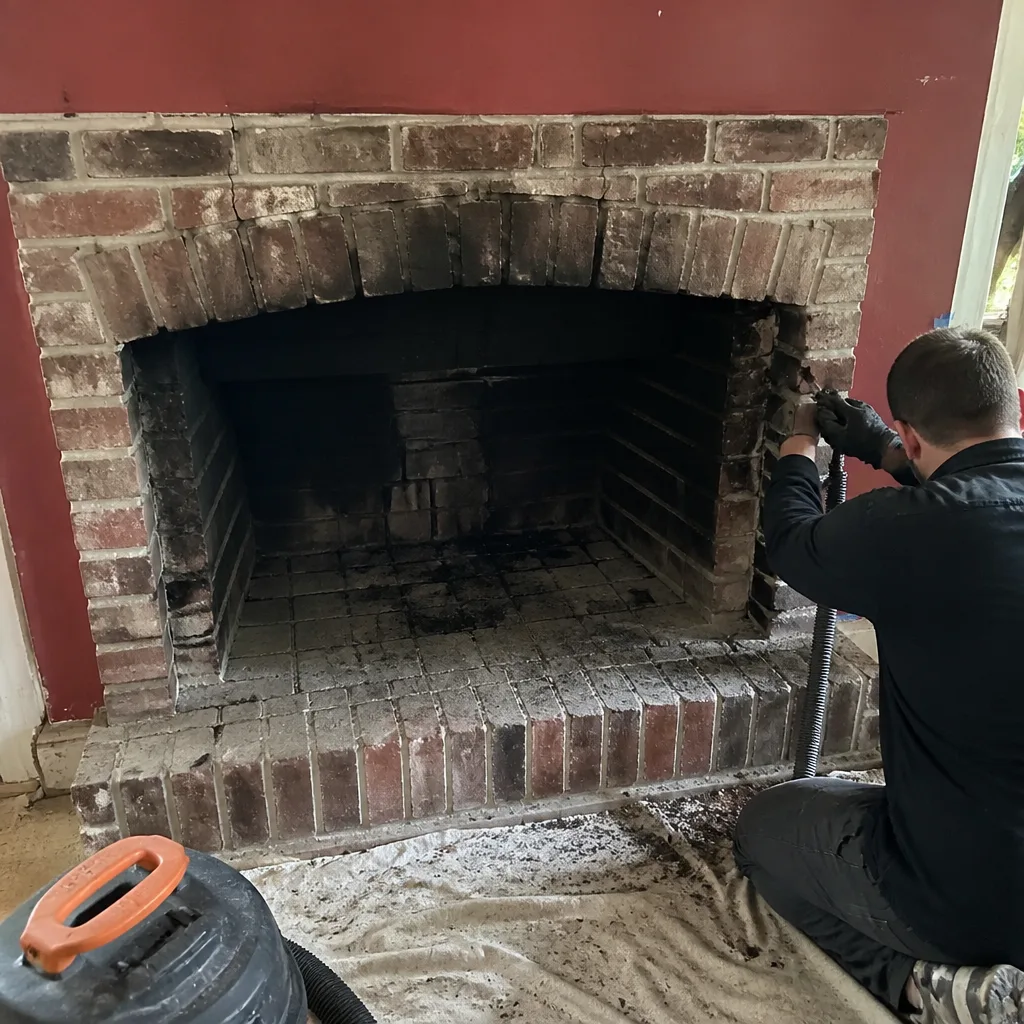
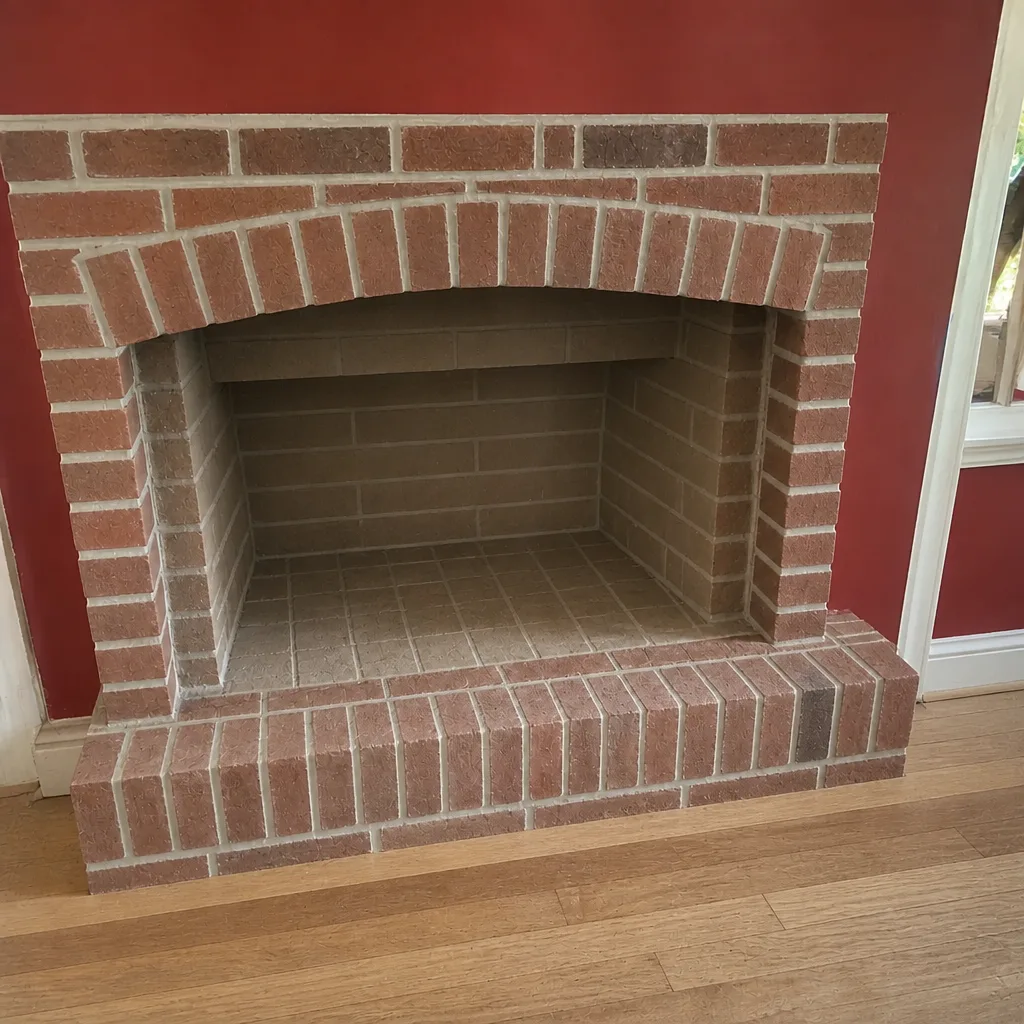
See the difference
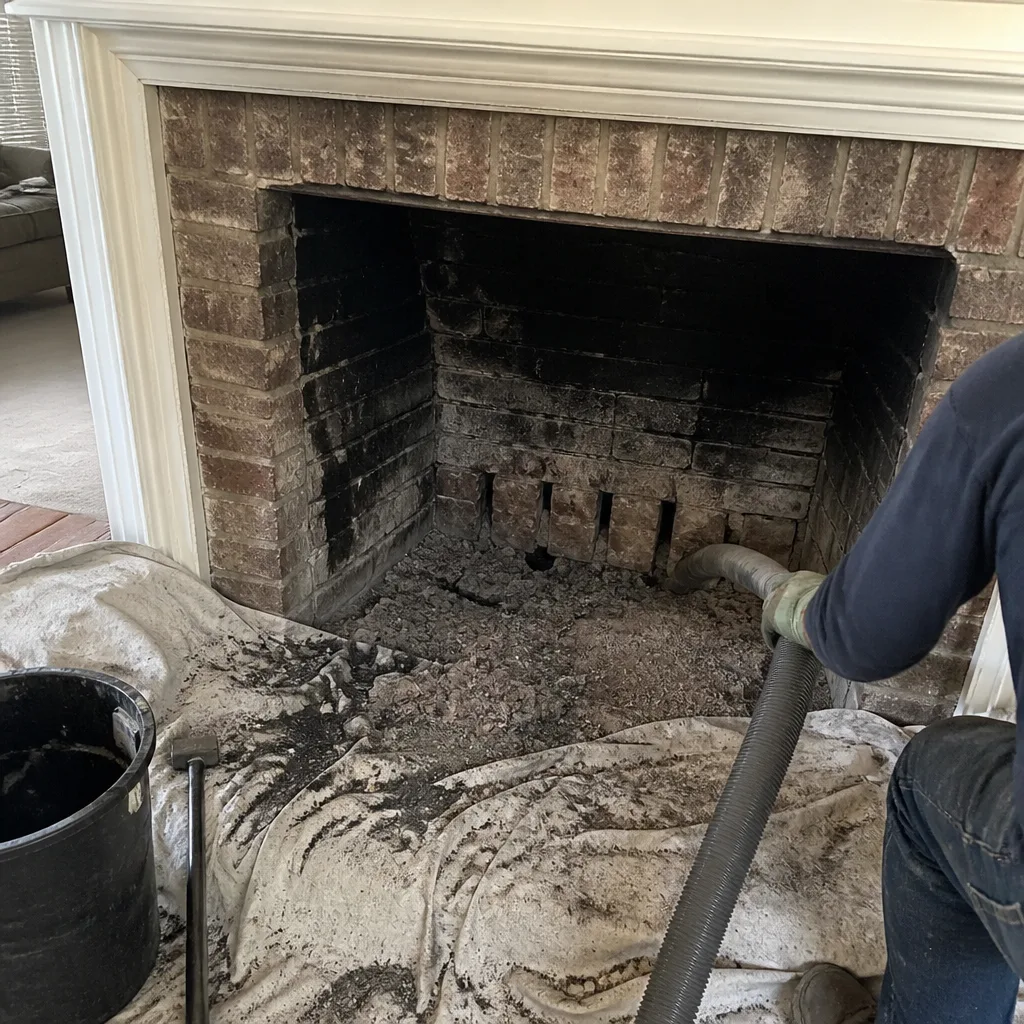 Before
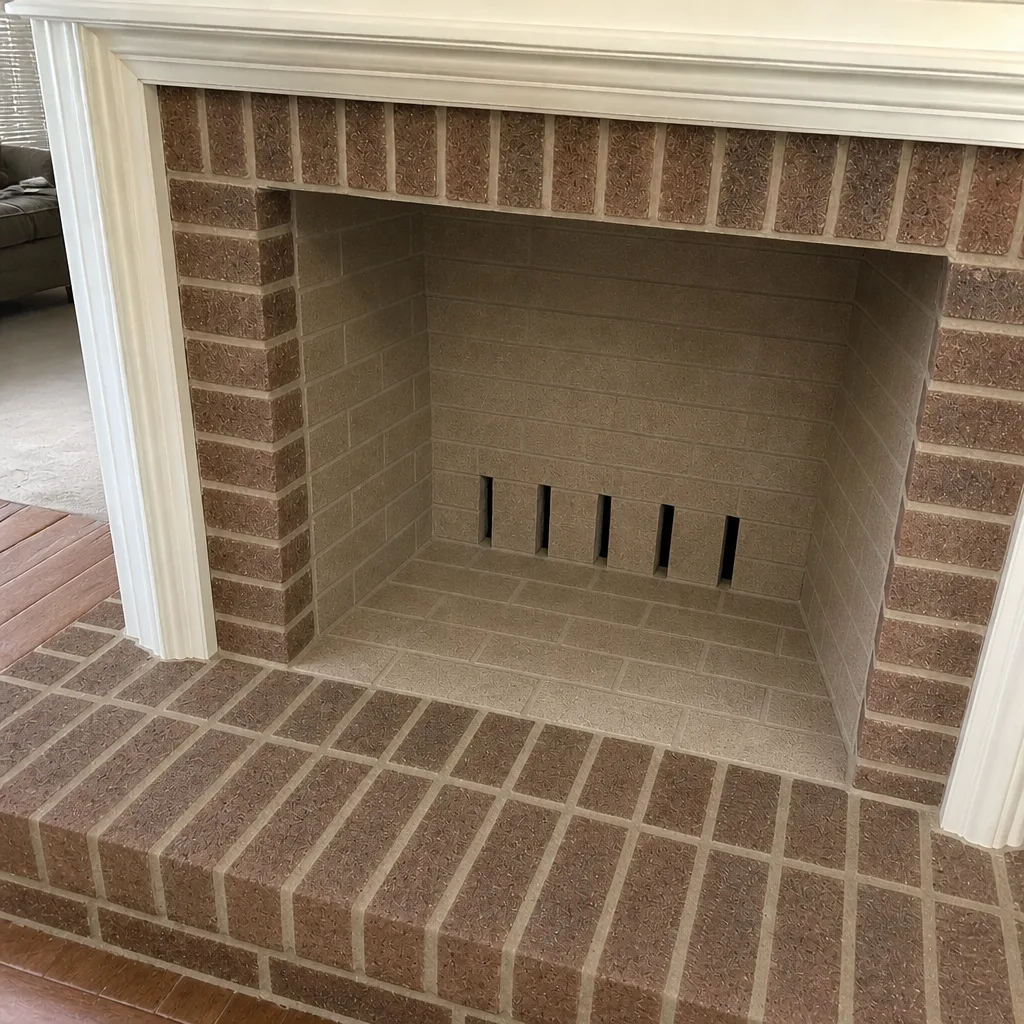 After
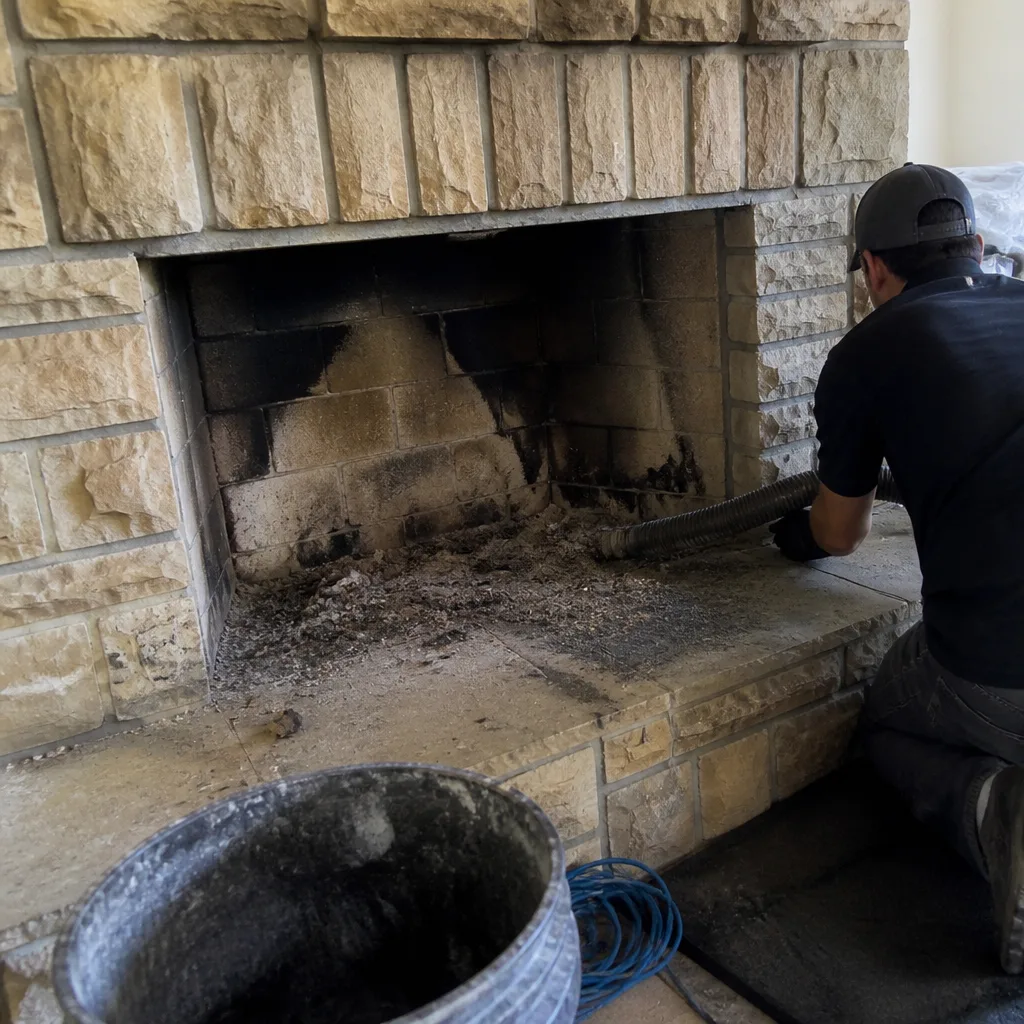 Before
 After
 Before
 After
Frequently Asked Questions
Chimney cleaning is priced per job, and the written estimate you receive sets the final price. Call (888) 268-0915 for an exact quote – estimates are free. The cost depends on the appliance type, the condition of the flue, and whether an inspection is included.
Most chimney professionals recommend an annual evaluation, but how often cleaning is actually needed depends on how much you burn, what you burn, and what the inspection finds. A home that burns occasionally in South Fulton’s short season may need less frequent cleaning than the annual recommendation suggests – the inspection determines it, not a calendar. Call (888) 268-0915 to schedule an assessment.
Not always. A liner that’s cracked or deteriorated in limited areas can sometimes be restored with a HeatShield ceramic resurfacing system rather than replaced. A full reline with a stainless DuraFlex liner is the right call when the existing liner is too damaged or too poorly sized to restore. Nothing is recommended without camera evidence you can see for yourself, and if a repair can safely wait, we’ll tell you. Call (888) 268-0915 for an evaluation.
Creosote accumulates in the flue, and at stage 2 or stage 3 it becomes a fire hazard. A blocked or deteriorated flue can also allow carbon monoxide and smoke to back up into the home instead of venting outside. Skipping service doesn’t cause an immediate failure, which is what makes it easy to put off. Call (888) 268-0915 if you can’t remember the last time the chimney was inspected.
A Level 2 inspection is the standard after a property sale. It includes a video scan of the flue interior and covers accessible portions of the chimney, attic, and crawlspace. Even if the seller had a sweep done before closing, the sale itself triggers the need for a Level 2. Call (888) 268-0915 to book one.
Sweeping a flue is sometimes done by homeowners, but the cleaning isn’t the hard part – the inspection is. A homeowner can’t assess liner integrity, stage creosote accurately, or evaluate masonry condition without the training and tools. The dangerous findings are the ones you can’t see from the firebox. Call (888) 268-0915 if you want a professional assessment.
The Bottom Line
Chimney cleaning in South Fulton is one step inside a larger evaluation of the whole system – appliance, flue, liner, masonry, and the soil underneath it. The region’s short burning season produces thinner but harder creosote deposits that a visual check from the firebox won’t catch. Housing era determines what materials you’re dealing with and what’s likely to have failed. Inspection levels tell you what was actually checked, and a proper report tells you what condition the system is in and what needs attention now versus later. When you know what to ask for, you can tell the difference between a sweep and a chimney professional before you hire one.
If you’re ready to schedule an evaluation, call (888) 268-0915 for a free estimate. We answer 24/7. Fast dispatch from 7am to 7pm, Sunday through Friday. We’re Valor Chimney Cleaning, and we serve homeowners throughout South Fulton with inspection, cleaning, and repair handled by one company from diagnosis through completion.
Written by the team at Valor Chimney Cleaning.