
Last updated November 16, 2026
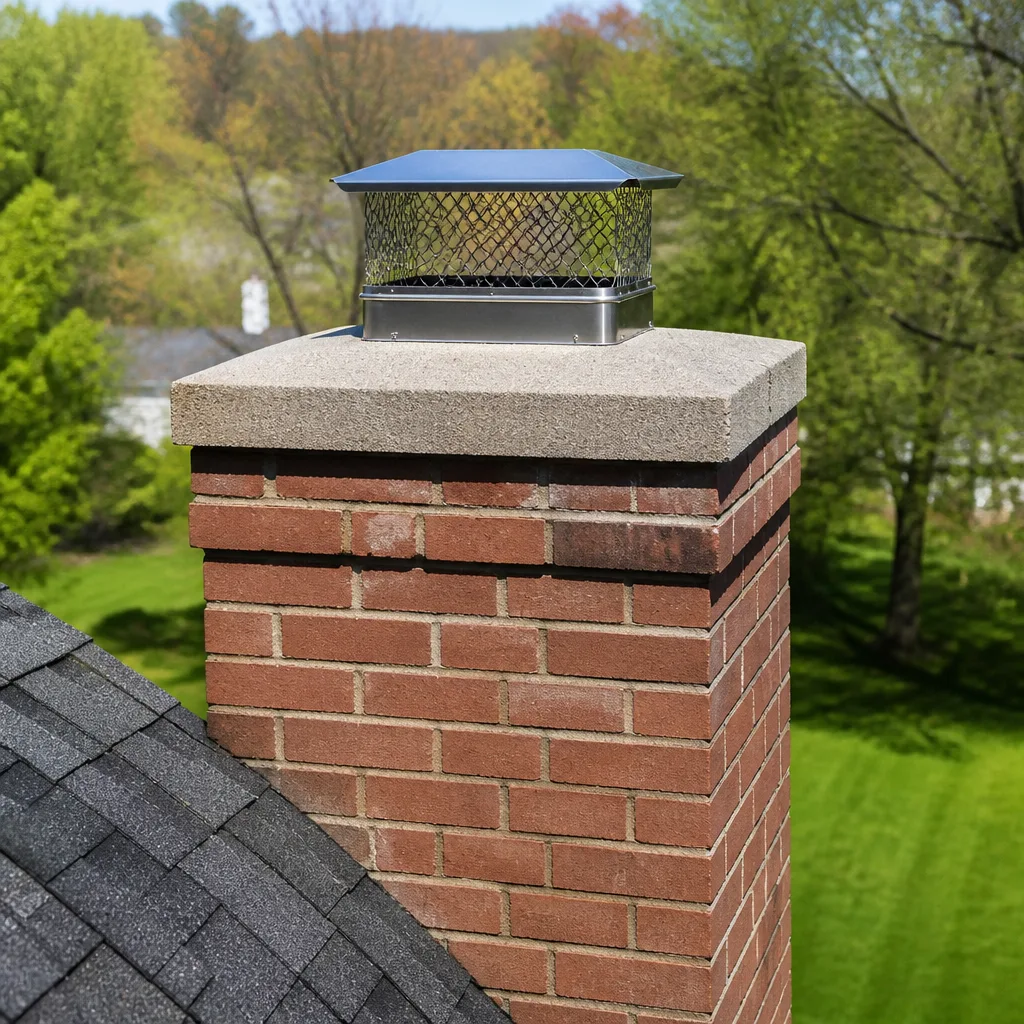 Sweep & inspection
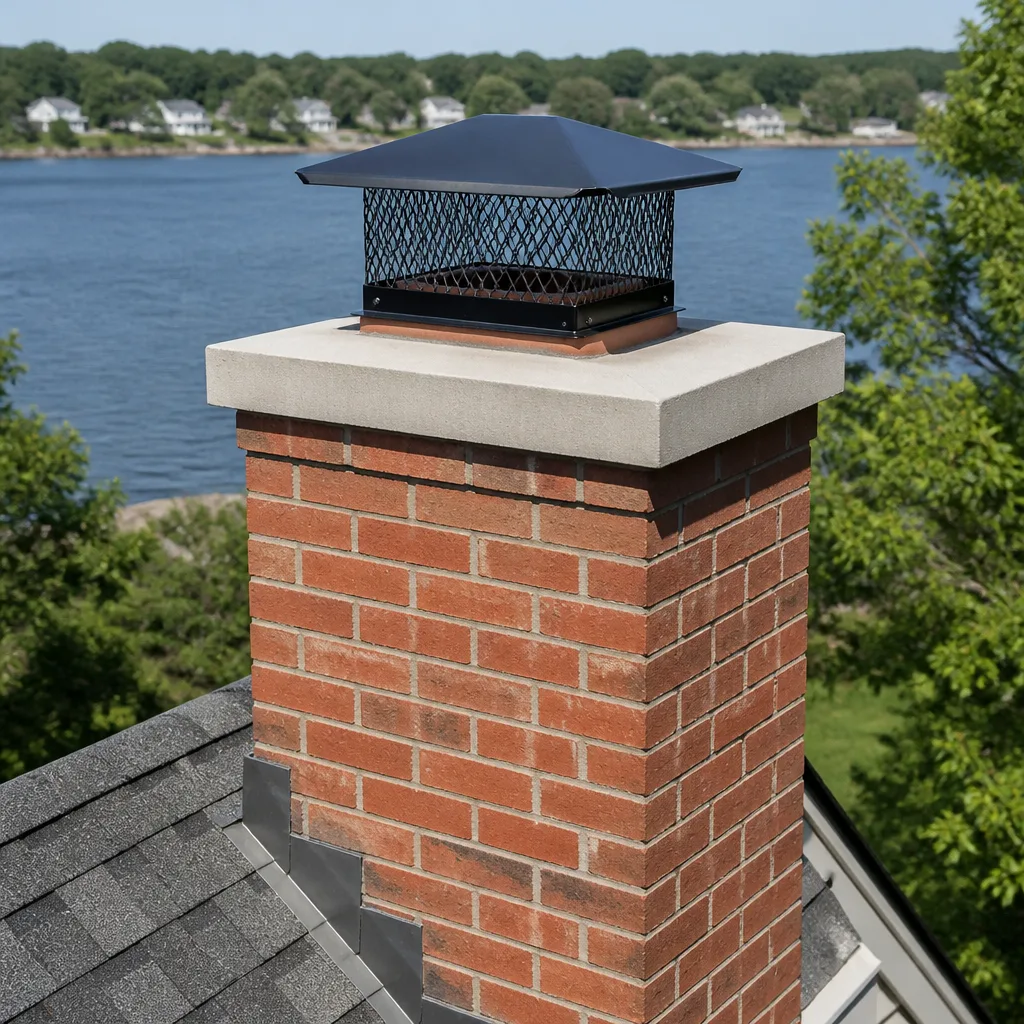 Caps & crowns
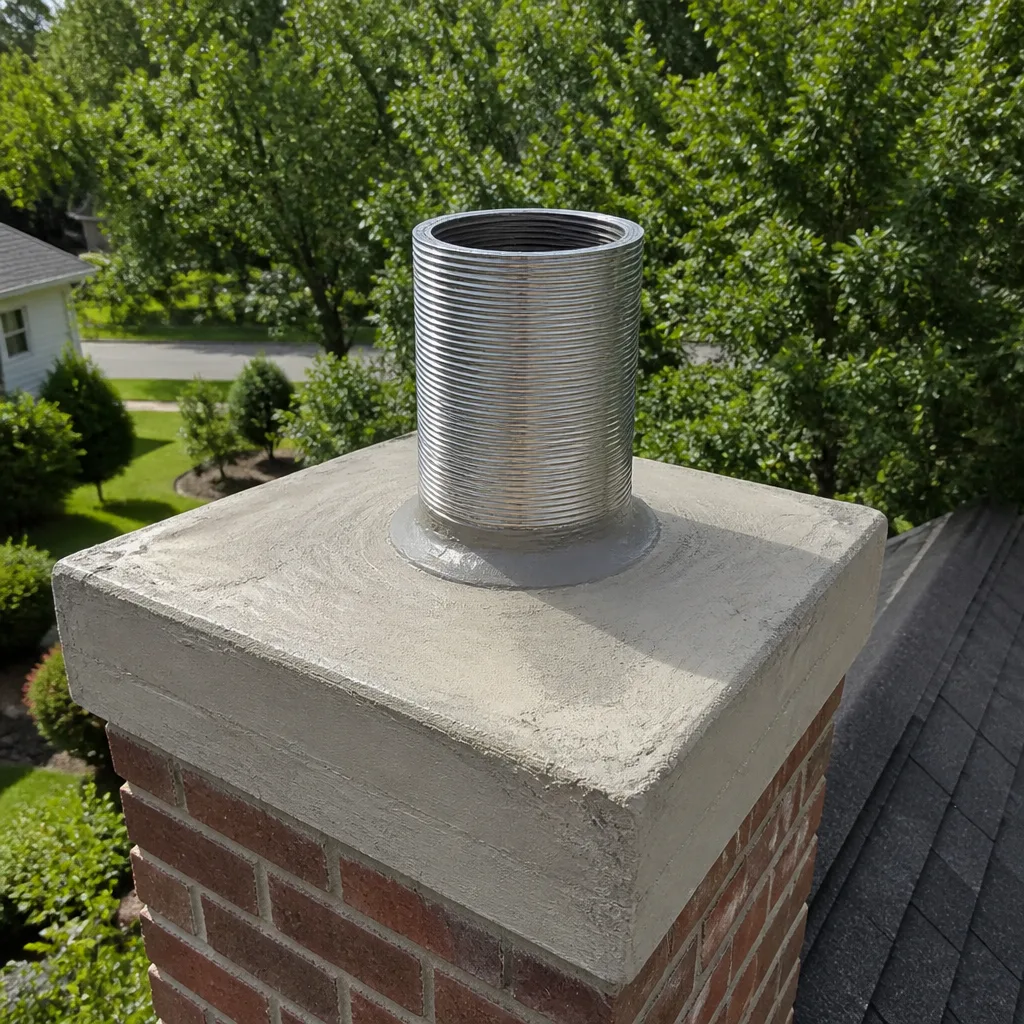 Flue relining
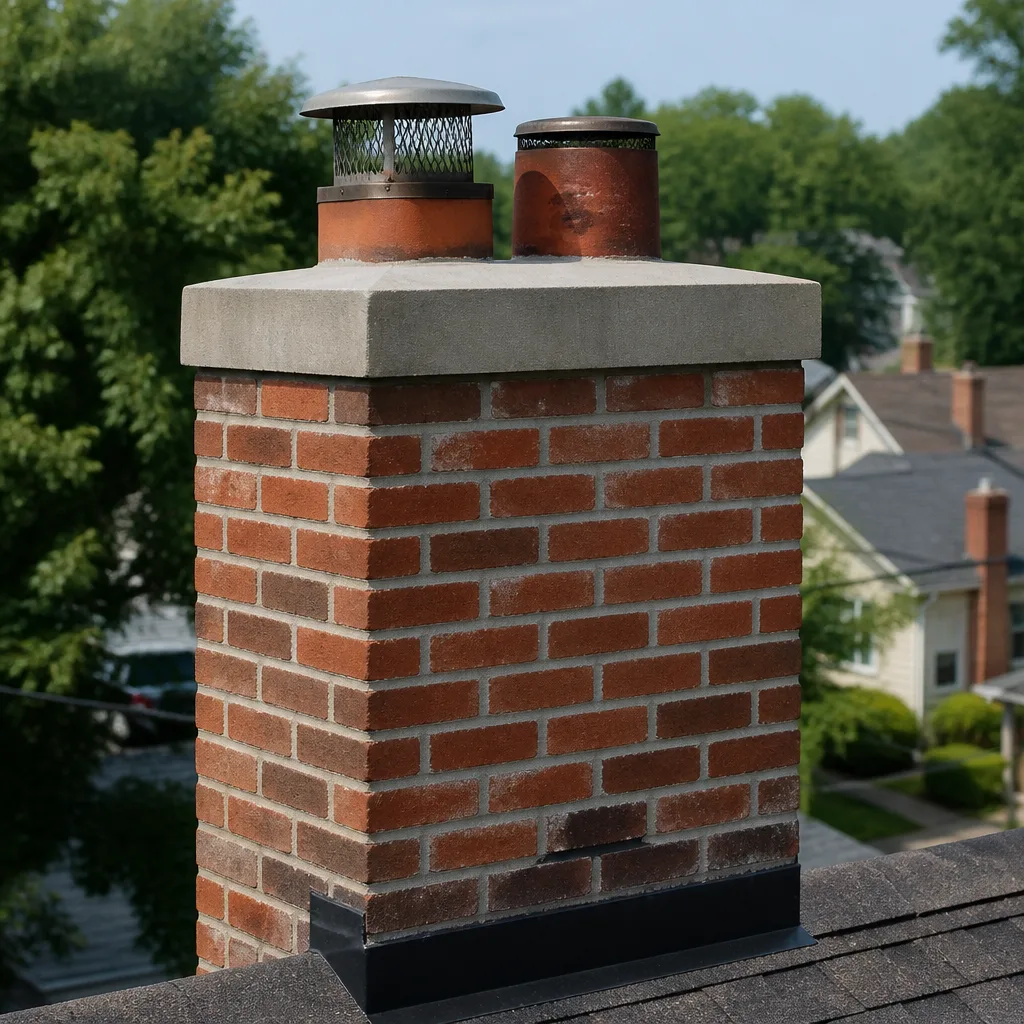 Masonry repair
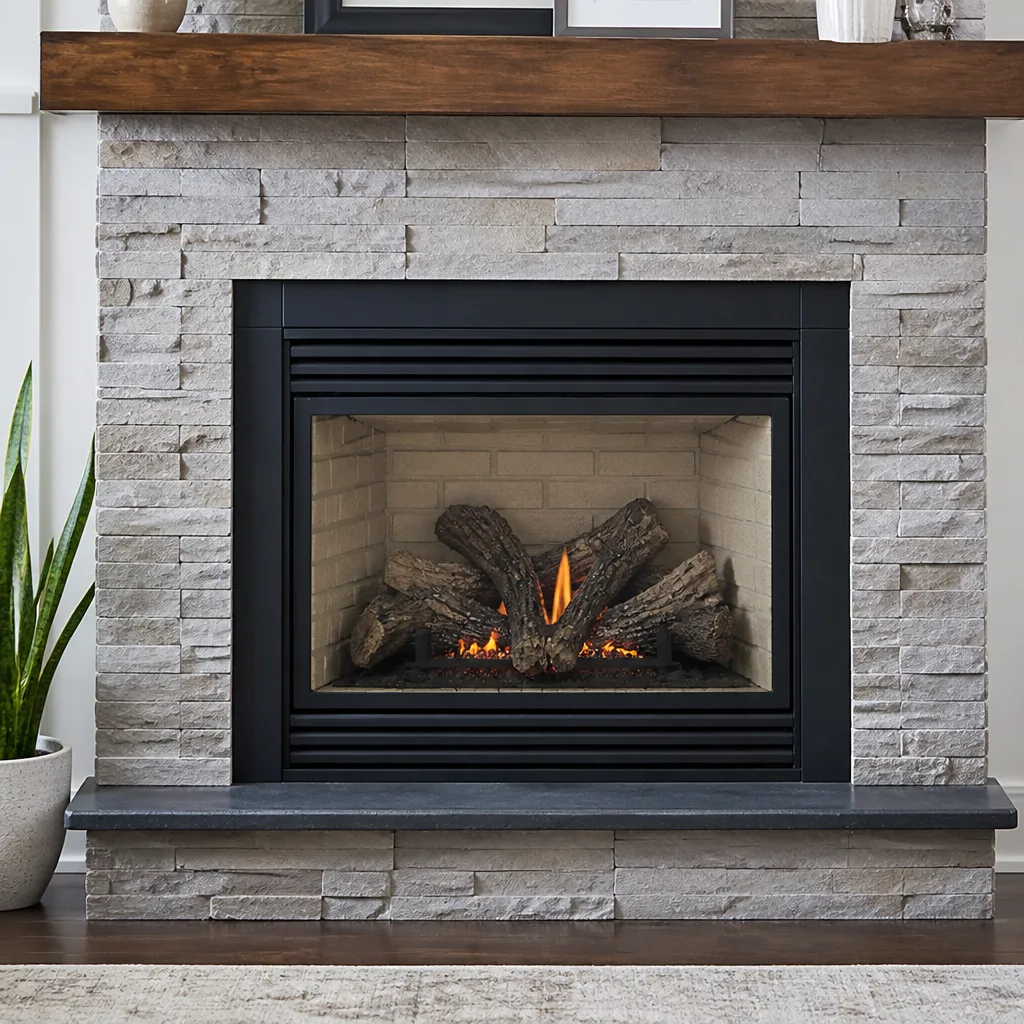 Gas fireplace service
Level 1 sweep and inspection to the NFPA 211 annual standard - flue, crown, cap, and flashing checked and photographed
Chimney sweep logs do not sweep chimneys. They loosen some creosote - which then falls where a brush and vacuum still have to collect it.
How to Hire a Chimney Cleaning Contractor in South Fulton: A Step-by-Step Guide
In Georgia, anyone with a truck and a rotary cleaning kit can legally print “chimney sweep” on a business card. There’s no statewide license for chimney work, no state exam to pass, no bond posted with a county office before someone climbs onto your roof. That surprises most homeowners. It also means the word “certified” on a flyer can mean almost anything, and the only thing standing between your flue and a careless brush is your own vetting. This guide walks you through that vetting, step by step: what to ask, what to verify, what a qualified answer sounds like, and what should make you walk away. It’s written for South Fulton homeowners who want the job done right, not just done cheap.
Styles & brands we work with
- Sweep & inspection
- Caps & crowns
- Flue relining
- Masonry repair
- Gas fireplace service
Quick Answer
To hire a chimney cleaning contractor in South Fulton, verify CSIA certification, ask for proof of liability insurance covering roof and interior work, request a written scope of work with photos, and confirm the company handles inspection and repair, not just sweeping. The cheapest quote usually reflects a shorter inspection, not a better deal. A qualified contractor will welcome these questions, answer them in plain language, and give you a written estimate before any work begins.
Table of Contents
- Why Hiring a Chimney Sweep in South Fulton Is Harder Than It Looks
- What CSIA Certification Actually Requires
- The Five Questions to Ask Before You Schedule
- How to Verify Liability Insurance
- Red Flags Specific to Low-Bid Chimney Sweeps
- Why the Cheapest Quote Usually Means a Shorter Inspection
- The Step-by-Step Hiring Process
- What a Proper Sweep and Inspection Should Include
- Common Mistakes to Avoid
- When to Call a Professional
- Frequently Asked Questions
- The Bottom Line
Why Hiring a Chimney Sweep in South Fulton Is Harder Than It Looks
Georgia doesn’t license chimney sweeps. There’s no state board checking credentials, no continuing education requirement, no disciplinary record homeowners can look up. Compare that to electricians or plumbers, who need a state license to pull a permit, and you start to see the problem. The barrier to entry in this trade is essentially a brush, a vacuum, and a truck.
That gap matters more in South Fulton than it might somewhere else. This part of metro Atlanta has a large stock of homes built from the 1980s through the 2000s, many with factory-built fireplaces that have specific liner requirements the original builder may not have documented well. It also has a growing number of homeowners who’ve converted to wood stoves or added inserts for backup heat. Those systems need someone who understands flue sizing, clearances, and venting, not just someone who can push a brush through a pipe.
Add the local climate to the picture. South Fulton summers are humid, and that moisture works on masonry over time. Winters bring enough freezing nights to stress older mortar joints. A sweep who only looks at what’s visible from the firebox floor will miss exactly the problems this climate tends to create. The hiring decision, in other words, isn’t about finding the lowest price. It’s about finding someone who will actually look.
That’s the whole purpose of this guide: giving you a structured process so you can tell the difference between a trained chimney professional and a generalist with a brush set. Valor Chimney Cleaning works in South Fulton, and we’ve seen both kinds of operators. The process below is what we’d want a family member to follow.
What CSIA Certification Actually Requires
CSIA stands for Chimney Safety Institute of America, and its Certified Chimney Sweep credential is the closest thing this trade has to a recognized standard. Earning it isn’t a weekend certificate. Candidates study a body of material covering combustion, venting, inspection standards, and safety, then pass a proctored exam. They also have to recertify on a cycle and agree to a code of ethics. When someone holds it, they’ve demonstrated a baseline of technical knowledge that a truck-and-brush operator hasn’t.
Here’s where it gets tricky. “Certified” by itself means nothing. Plenty of companies use the word to describe an in-house training program, a manufacturer’s product course, or a certificate from a franchise. None of those are the same thing. The question to ask isn’t “are you certified?” It’s “are you a CSIA Certified Chimney Sweep, and can you show me the credential?” A qualified contractor will answer that without hesitation and point you to the CSIA directory to confirm it.
What CSIA certification does not do is license the contractor, bond them, or insure them. Those are separate. Certification tells you the person knows the standards. Insurance tells you you’re covered if something goes wrong on your roof. You need to check both, and the guide covers insurance in its own section below.
One more note on credentials worth knowing: NFPA 211 is the national standard for chimneys, fireplaces, vents, and solid fuel appliances. A contractor who references it by name is telling you they inspect to a recognized benchmark rather than their own opinion. Our inspections align with NFPA 211, and every cleaning includes a visual assessment of flue condition. That’s the level of specificity to listen for when you’re interviewing anyone for work on your chimney.
The Five Questions to Ask Before You Schedule
You can learn a lot in a five-minute phone call. These five questions separate a trained professional from a generalist, and the answers are easy to evaluate once you know what to listen for.
- “Are you a CSIA Certified Chimney Sweep, and how do I verify it?” A qualified answer names the credential and tells you to check the CSIA directory. A vague answer (“we’re fully certified”) or a pivot to another topic is your cue to keep calling.
- “What does your inspection cover, and will I get photos?” The right answer describes a visual inspection of the firebox, damper, flue, cap, and accessible exterior, plus photos or video you can see. “We’ll take a look while we’re up there” is not an inspection.
- “Do you do repair work in-house, or will I be referred elsewhere?” A company that sweeps, inspects, and repairs is accountable for the whole job. One that only sweeps will hand you off the moment something’s found, often to a contractor you didn’t choose.
- “What brands and materials do you work with?” Professionals use industry-grade products, not whatever’s on the shelf at a big-box store. Listen for names like HeatShield for ceramic resurfacing or DuraFlex for stainless relining. Specific answers signal trade-level sourcing.
- “Can I get a written estimate before any work starts?” The answer should be an immediate yes. If the price is only explained after the work is done, or only available at the appointment, that’s not an estimate. It’s a negotiation you’ve already lost.
Ask all five before you book. A qualified contractor answers them in plain language, without defensiveness, and without pressure to schedule on the spot. If you find yourself on the phone with a company that will not handle all three parts – sweeping, inspection, and repair – you’re about to coordinate two contractors for one problem.
How to Verify Liability Insurance
Anyone working on your roof or inside your flue should carry liability insurance, and asking for proof isn’t rude. It’s standard. Chimney work involves heights, ladders, roof surfaces, and soot that can stain interior finishes. If something goes wrong and there’s no policy, your homeowner’s insurance becomes the fallback, and that conversation is never pleasant.
Here’s what to ask for and what it needs to cover:
- A certificate of insurance naming general liability coverage. Any legitimate company can produce this quickly. If getting a copy takes days, that’s the answer.
- Coverage for work performed at height. Roof work is a specific exposure. Confirm the policy isn’t limited to ground-level work.
- Coverage for interior work – the flue, firebox, and surrounding areas where soot, dust, and equipment can cause damage inside the home.
- Current policy dates. An expired certificate proves nothing. Check the effective dates.
Insurance is separate from certification, and you need both checked. A CSIA-certified technician without liability coverage is still a risk to your roof. An insured company with no technical credentials is still a risk to your flue. The combination is what protects you.
We’re licensed and insured, and we’ll send proof before the appointment if you ask. Any contractor worth hiring will do the same without making it awkward.
Red Flags Specific to Low-Bid Chimney Sweeps
The chimney trade has a handful of patterns that show up again and again with cut-rate operators. None of them are rare, and most are designed to run up the bill after you’ve already committed to the appointment.
- Scope creep on the first visit. You booked a cleaning. Midway through, you’re told the cap is failing, the crown is cracked, and the liner needs replacing immediately. Some of these findings are real. The red flag is a sudden stack of urgent repairs with no photos and no written estimate, delivered while the technician is standing in your living room.
- Pressure upsells on cap and liner. These are legitimate products and legitimate repairs when the evidence supports them. The red flag is being pushed toward them before you’ve seen a single photo of what’s actually wrong.
- Photos that may not be from your chimney. Cell phone photos are easy to show and easy to fake. Ask for the photo to be taken while you watch, or ask for video taken during the inspection. If the images look like stock shots of badly damaged flues, say so.
- No written estimate, or a verbal one that keeps changing. The price should be set in writing before work begins. If the numbers move as the job unfolds, the original quote was never real.
- No CSIA credential and no interest in the question. A sweep who brushes off the certification question or says it isn’t necessary in Georgia is telling you something about how they work.
The pattern behind all of these is the same: the low bid gets the appointment, and the real money is made afterward. Knowing the tactics makes them much harder to run.
Why the Cheapest Quote Usually Means a Shorter Inspection
A thorough sweep and inspection takes time. The technician has to set up containment, clean the firebox and flue, get onto the roof to check the cap and crown, run a camera or visual check of the flue interior, look at the damper, and write up findings with photos. That’s the job. A quote that’s significantly below everyone else’s usually reflects one of two things: less time spent, or a plan to make up the difference later.
In our experience, the short inspection is the more common explanation. The technician runs a brush, vacuums the firebox, and is back in the truck before anything underneath the soot has been examined. The homeowner gets a clean-looking fireplace and a false sense of security. Weeks later, a cracked flue tile or a failing mortar joint goes unnoticed, and that’s exactly the kind of problem that matters for fire safety and carbon monoxide.
This doesn’t mean the most expensive quote is automatically the right one. It means price should be compared against scope. Does the quote include a visual inspection with photos? Does it cover the roof and the flue interior? Does it come with a written estimate for any repairs found? Those questions matter more than the number. In South Fulton’s market, you’ll find quotes across a wide range from operators of very different quality. The way to separate them is to compare what’s included, not just the bottom line.
A genuinely thorough sweep takes as long as it takes. If a company moves through your house quickly and hands you a bill, that’s the moment to ask what was inspected and where the photos are.
The Step-by-Step Hiring Process
Here’s the full sequence, from first search to signed estimate. Work through these steps in order and you’ll have a hiring decision you can stand behind.
- Search for CSIA certification first, price second. Look up candidate companies in the CSIA directory before you look at their websites. The directory is a filter that removes most of the noise.
- Call two or three companies and ask the five questions above. Note how each one answers. Hesitation on the certification or insurance question is a result.
- Request proof of insurance before booking. Ask for a certificate of insurance with current dates. This should be routine, not a negotiation.
- Ask what the scheduled visit includes. Get specifics: sweep, visual inspection of flue and firebox, roof-level check of cap and crown, and photos. Write it down so you can compare quotes accurately.
- Confirm the company handles repair work in-house. If the inspection finds something, you want the same company able to quote and complete the fix. That keeps one party accountable from diagnosis through repair.
- Get a written estimate before any work begins. The estimate sets the final price. It should list the scope of work clearly.
- At the appointment, watch and ask. A qualified technician will show you what they found and explain it in plain terms. If they can’t or won’t, that’s information.
- Keep the write-up. The inspection report and photos are useful records for future maintenance and, in South Fulton, for resale disclosure if you sell.
The first three steps cost you a few phone calls and eliminate most of the risk. The rest is follow-through.
What a Proper Sweep and Inspection Should Include
Once you’ve hired a South Fulton contractor, it helps to know what should happen on the day. A thorough visit isn’t complicated, but it has parts, and you should be able to point to each one afterward.
- Containment and protection. Drop cloths around the hearth and immediate area, a vacuum system set up before anything gets brushed.
- Firebox and flue cleaning appropriate to the fuel type. Creosote builds differently in a wood stove than in an open fireplace, and the cleaning needs to match.
- A visual inspection of the flue interior, with a camera or direct visual check. This is where cracks, gaps, and deteriorated joints show up.
- A roof-level check of the cap, crown, and flashing, done safely with proper fall protection.
- Photos and a plain-language summary of what was found and what, if anything, needs attention.
When repairs are needed, a professional will match the material to the problem. For a flue with minor deterioration, the HeatShield ceramic resurfacing system can repair the liner without a full reline. For a liner that’s beyond repair, a stainless-steel DuraFlex flexible liner is the standard solution. Both come from recognized manufacturers and hold up to the heat and chemical exposure inside a flue. A qualified sweep will explain which one fits your chimney and why. If a homeowner in South Fulton is told they need a full reline before anyone has shown them the condition of the liner, that’s the moment to ask for evidence.
For a closer look at what a professional chimney sweep visit involves, the scope is the same idea: inspect first, then clean, then report. Any repair work should follow a written estimate, whether it’s a liner job or routine chimney repair.
Common Mistakes to Avoid
- Booking on price alone. The cheapest appointment in South Fulton often buys the shortest visit. You end up paying for a clean firebox and no real inspection of the flue, which is the part that matters most.
- Not asking for proof of insurance. A technician on your roof without liability coverage shifts the risk onto your homeowner’s policy. Ask for the certificate before anyone climbs.
- Accepting a verbal “you need a new liner.” Any recommendation should come with photos or video from your own chimney. If you can’t see it, don’t authorize the work.
- Skipping the annual inspection because the fireplace looks fine. Creosote and flue damage aren’t visible from the firebox floor. The problems that cause chimney fires and carbon monoxide exposure live where you don’t look.
- Hiring a sweep who doesn’t do repair work. You’ll end up coordinating two contractors for one chimney, and when something goes wrong between them, no one owns it.
- Believing “certified” without asking what it means. A manufacturer’s course or a franchise certificate isn’t the same as CSIA certification. Ask directly and verify.
- Putting off the sweep until heating season hits. Wait until the first cold week and the schedule fills up. A pre-season appointment gives you time to plan any repair work before the fireplace is in regular use.
When to Call a Professional
Some chimney calls can’t wait for a convenient week. Call a professional if you’ve had a chimney fire, even a small one you think put itself out, because the heat can crack tile and warp a liner without any visible sign. Call if you smell a strong creosote odor in warm weather, if smoke backs into the room when you light a fire, if you see staining or efflorescence on exterior masonry, or if carbon monoxide detectors have triggered. Also call if you’ve just bought a South Fulton home with a fireplace and don’t know its service history, or if it’s been more than a year since the last inspection. A sweep and inspection is a safety appointment first.
Valor Chimney Cleaning offers free estimates in South Fulton. Call (888) 268-0915. We answer 24/7, and fast dispatch runs from 7am to 7pm. The written estimate sets the final price.
Frequently Asked Questions
A chimney sweep in South Fulton is priced per job, and the written estimate you receive before booking sets the final cost. Price depends on the fuel type, the condition of the flue, and whether an inspection with photos is included. Call (888) 268-0915 for an exact quote – estimates are free.
Georgia doesn’t license chimney sweeps, so the CSIA Certified Chimney Sweep credential is the main third-party standard available. A contractor without it isn’t automatically unqualified, but certification is the clearest evidence that someone has been tested on venting, combustion, and inspection standards. Combine it with proof of liability insurance for the full picture.
Most wood-burning fireplaces should be swept and inspected once a year, and more often with heavy use or if you burn unseasoned wood. Fuel-burning appliances like wood stoves should get an annual inspection as well. The volume of creosote and the condition of the flue drive the schedule.
Creosote accumulates in the flue, and when it builds up it can ignite. That’s the fire hazard. Separately, cracks or gaps in the flue lining can let combustion gases into the home, which is the carbon monoxide hazard. Neither is visible from the fireplace opening, which is why the annual inspection matters so much.
Ask the technician to take the photo while you watch, or to show you video from the inspection as it happens. A qualified contractor has nothing to hide here. If you can’t see the evidence in real time, ask for the inspection video before you approve any repair. Call (888) 268-0915 to schedule an inspection with photos you can review.
Sometimes, yes. A worn cap or a hairline crack in the crown isn’t always urgent, and a qualified contractor will tell you plainly when a repair can wait. Anything affecting the flue’s containment of smoke and gases is a different matter. Ask for the findings in writing, see the photos, and get the written estimate before you decide.
The Bottom Line
Hiring a chimney contractor in South Fulton comes down to verification, not trust. Confirm CSIA certification through the directory, get proof of liability insurance before anyone climbs onto your roof, ask the five questions, and demand photos and a written estimate before you approve any repair. Compare quotes on scope, not just price, because the cheapest appointment is usually the shortest inspection. And remember that the inspection is the real product – a clean firebox without a documented look inside the flue isn’t worth much. Call (888) 268-0915 for a free estimate. We answer 24/7, and fast dispatch runs from 7am to 7pm.
Valor Chimney Cleaning provides sweeping, inspection, and repair as a single service, using professional-grade products from manufacturers like HeatShield and DuraFlex. If you’d like to know how we work before you call, start with Valor Chimney Cleaning and read what each part of the job covers.
Written by the team at Valor Chimney Cleaning.
See the difference
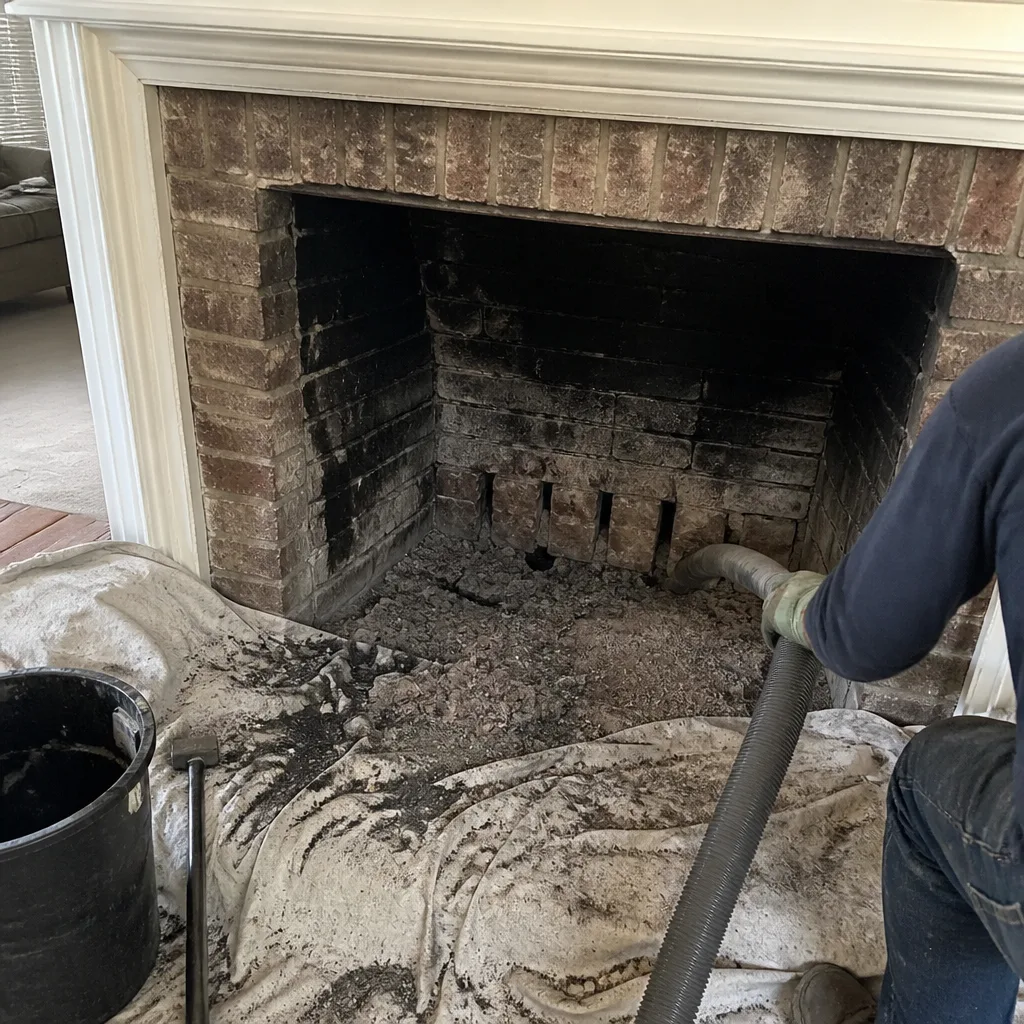 Before
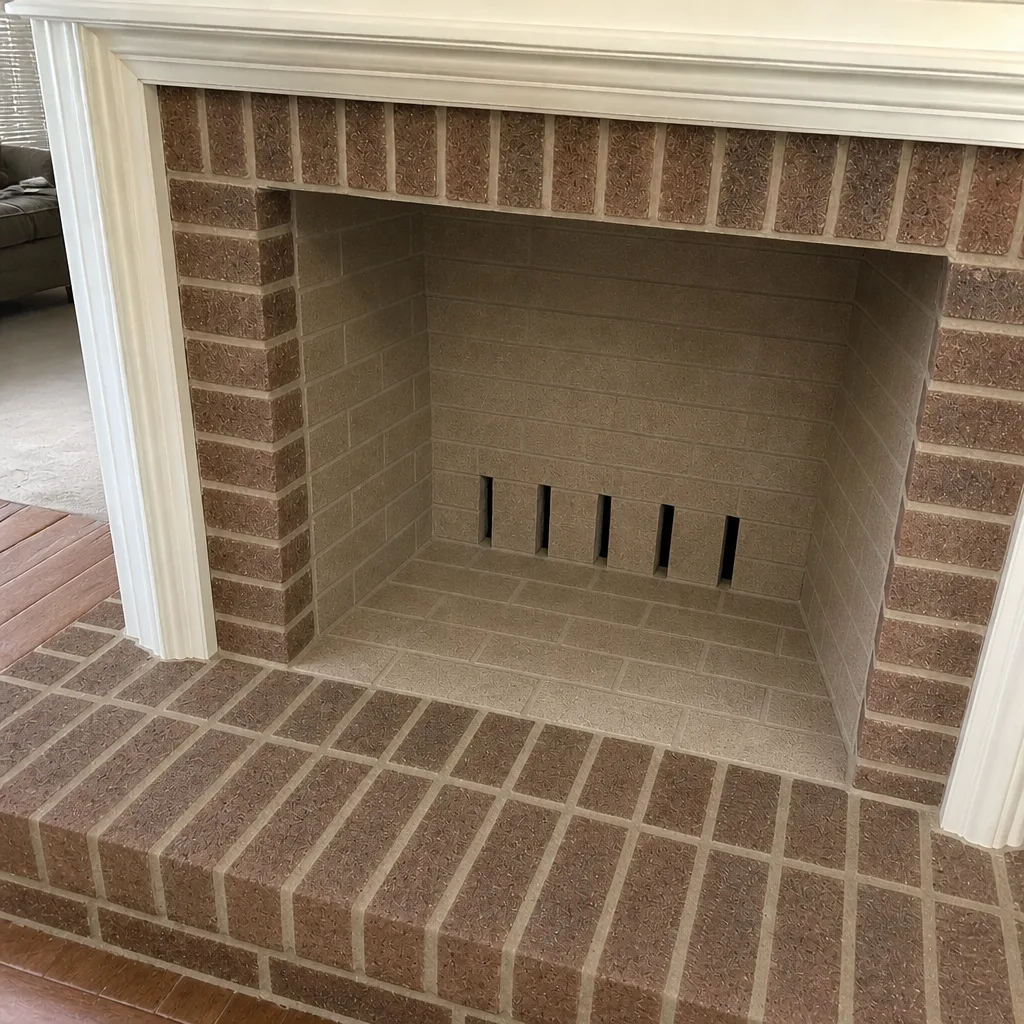 After
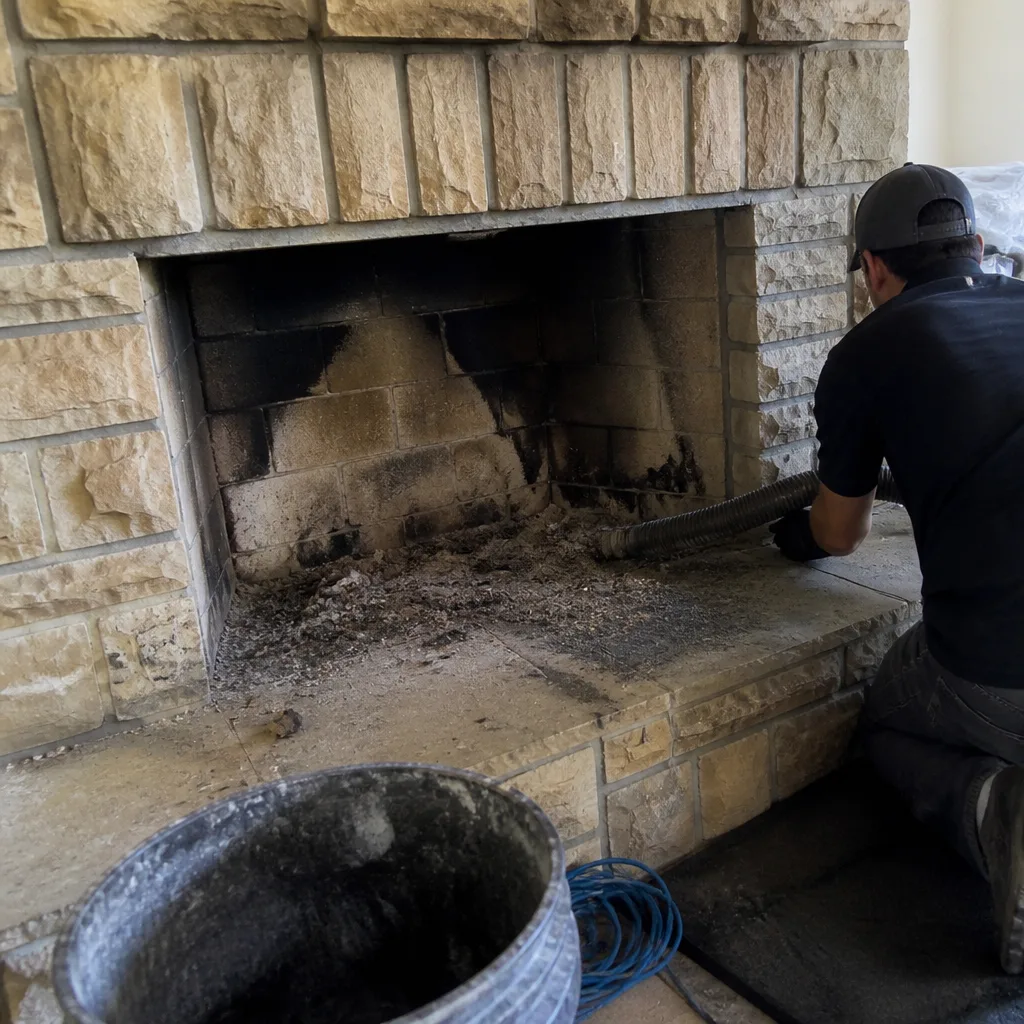 Before
 After
 Before
 After