
Last updated November 16, 2026
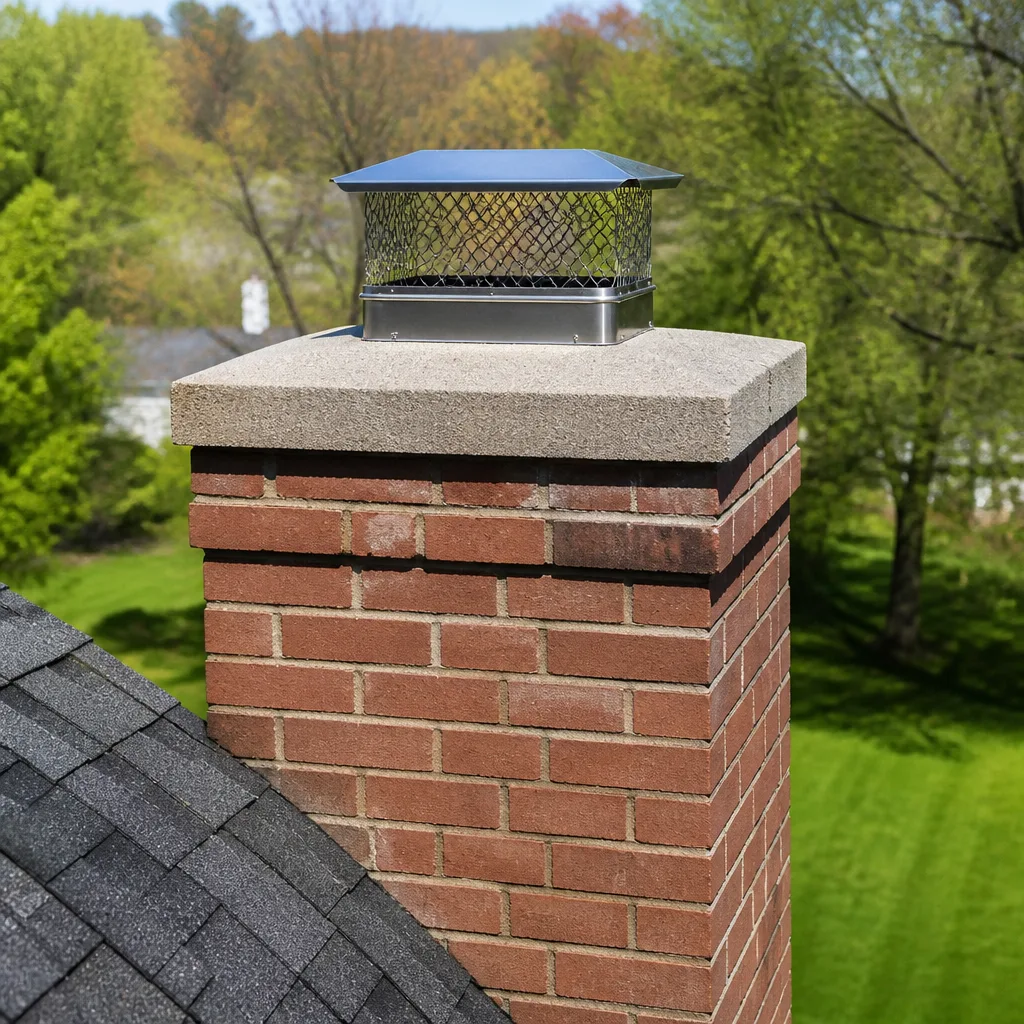 Sweep & inspection
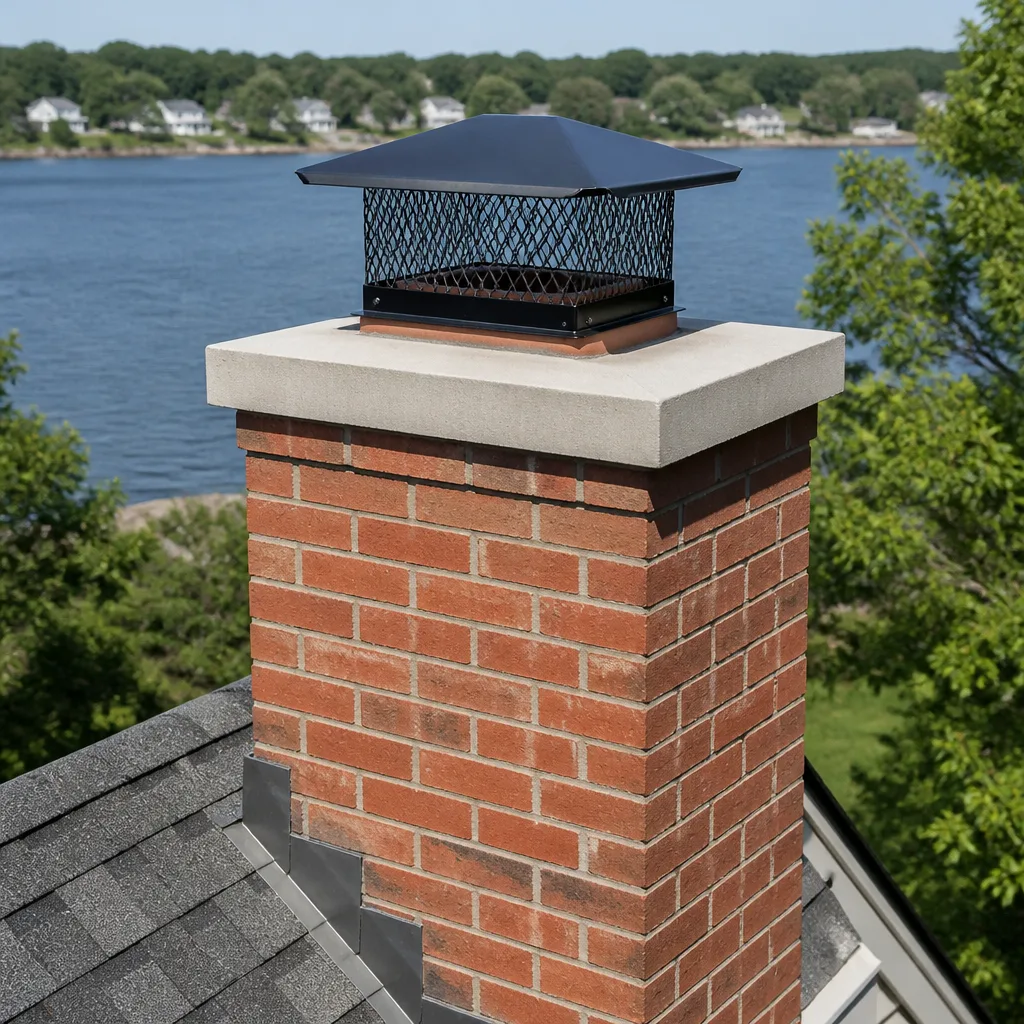 Caps & crowns
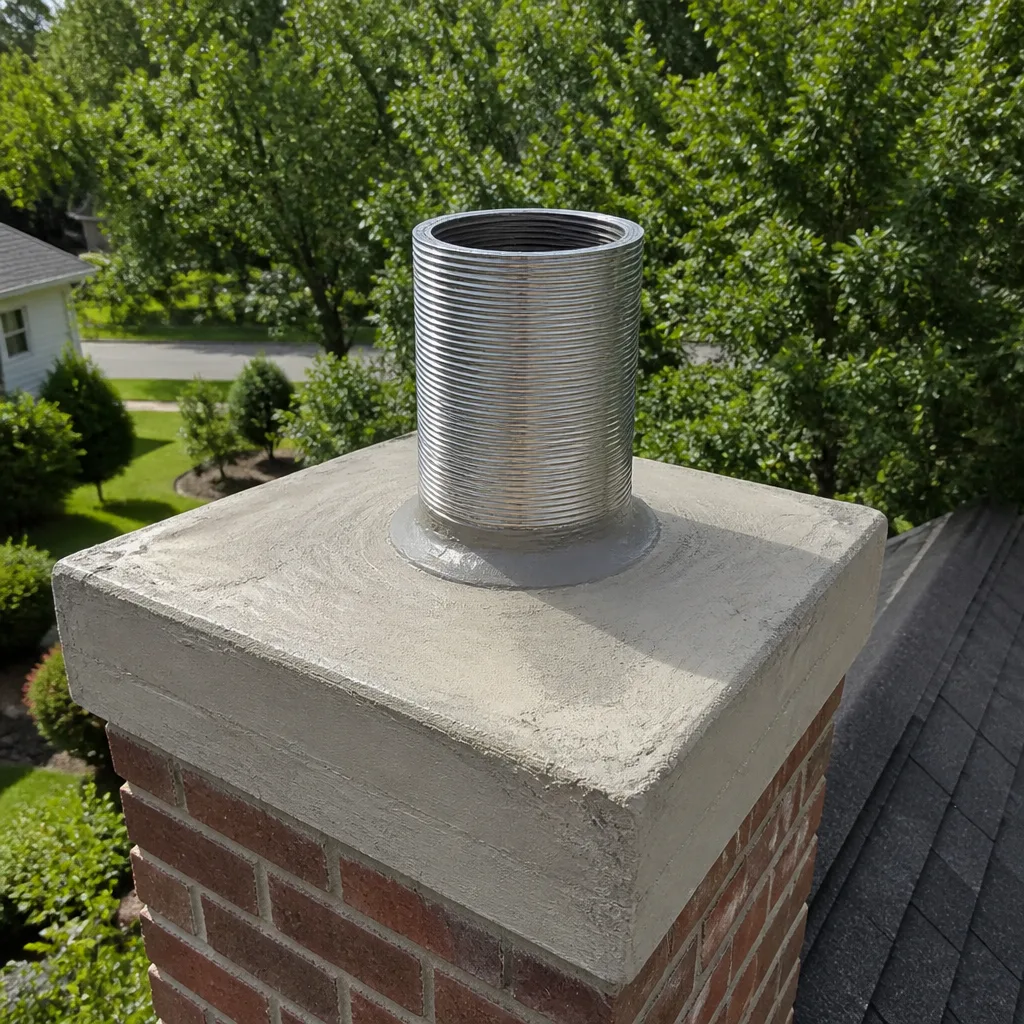 Flue relining
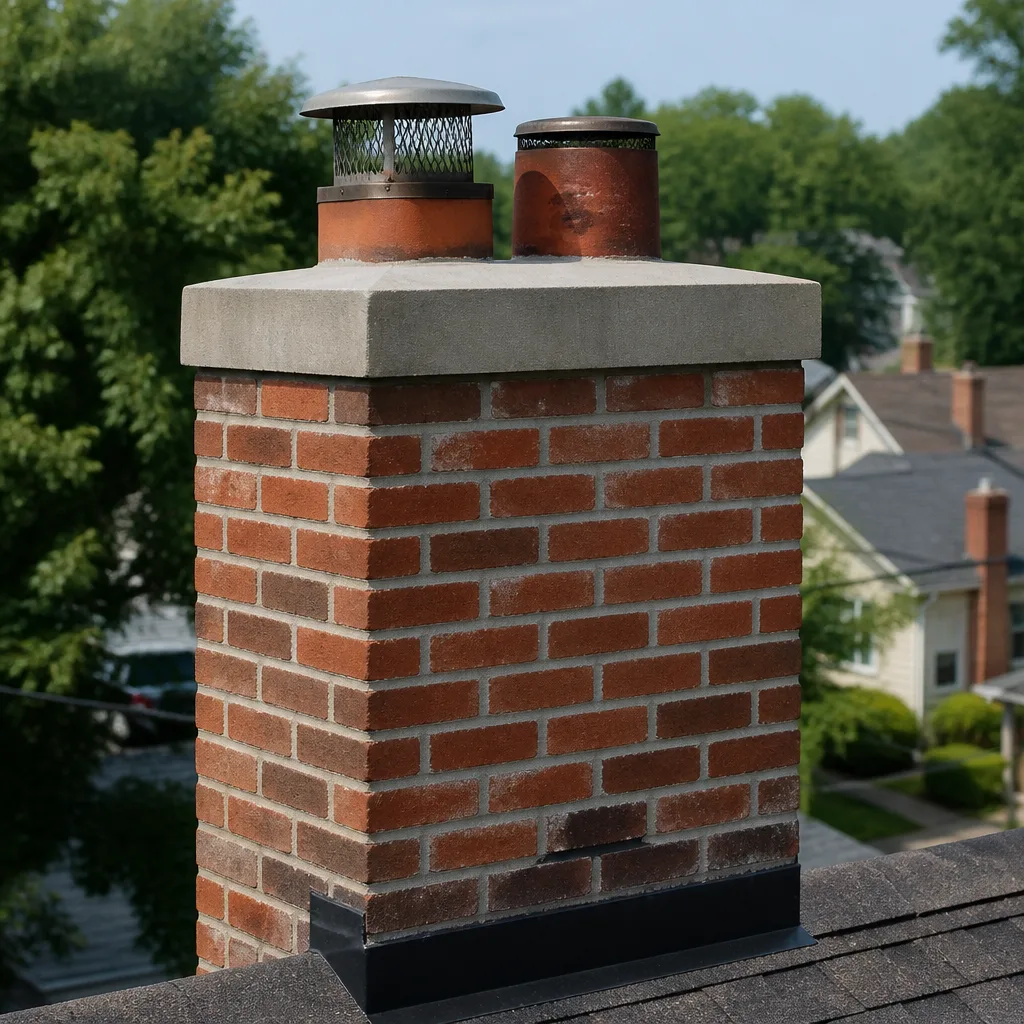 Masonry repair
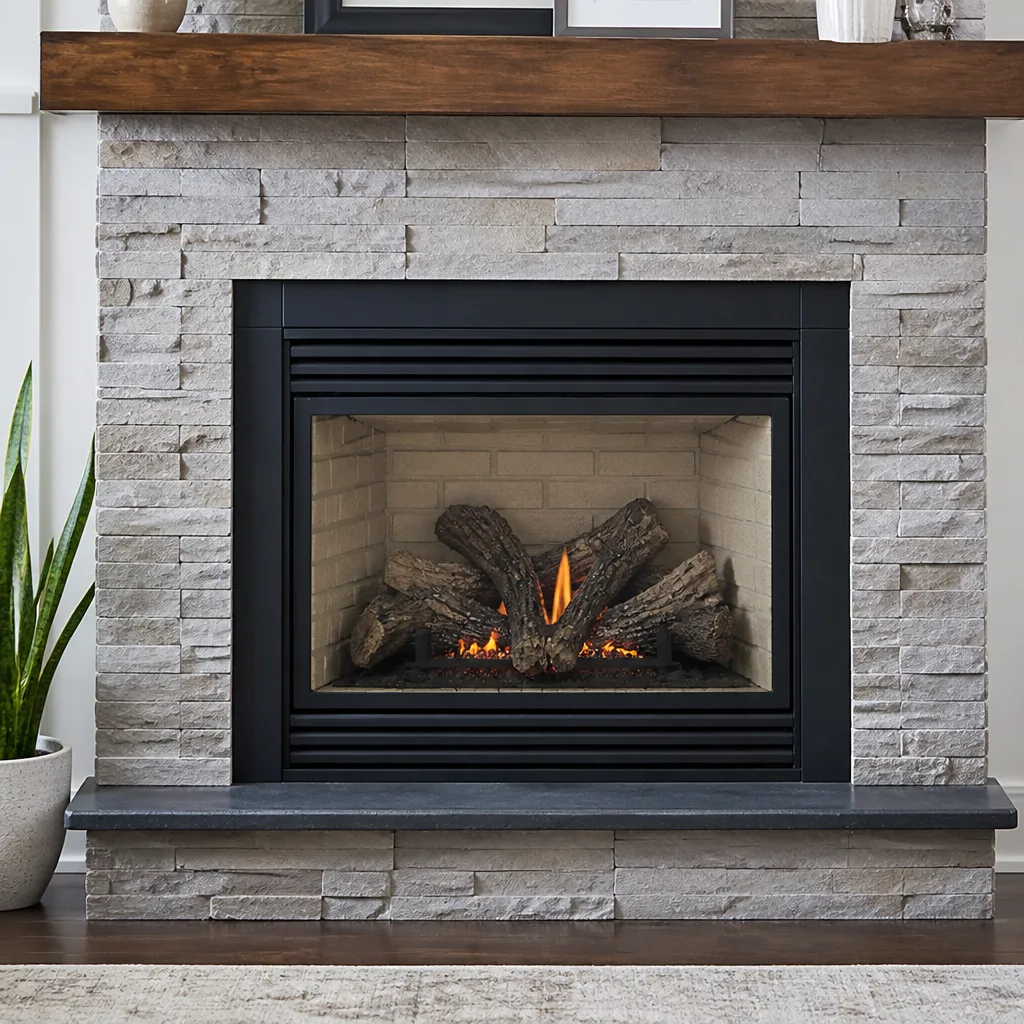 Gas fireplace service
Level 1 sweep and inspection to the NFPA 211 annual standard - flue, crown, cap, and flashing checked and photographed
Chimney sweep logs do not sweep chimneys. They loosen some creosote - which then falls where a brush and vacuum still have to collect it.
Chimney Sweep Troubleshooting in South Fulton: Common Problems and How to Fix Them
A smoky fireplace usually gets blamed on the chimney being dirty. Most of the time, that’s not what’s happening. What looks like a draft problem from your living room is often a blockage, a damper that no longer seals, or a house that’s sealed so tightly it starves the fire of air. Treating the wrong cause costs money and leaves the real hazard sitting in the flue. In this guide, we’ll show you how to read the signals your chimney is sending in South Fulton, what each symptom points to, which fixes you can handle safely, and which need a professional on the roof with a camera.
Quick Answer
Most chimney problems in South Fulton come down to four causes: a blocked flue, a damaged damper, negative air pressure inside a tightly built home, or a cracked liner. Smoke rollout (smoke spilling into the room) points to a blockage or a liner failure. Slow smoke or a weak fire points to a draft or combustion-air problem. A Level 1 visual inspection handles the first look; anything past that needs a Level 2 camera inspection before any repair is chosen.
Styles & brands we work with
- Sweep & inspection
- Caps & crowns
- Flue relining
- Masonry repair
- Gas fireplace service
Table of Contents
- How to read the signals your chimney sends
- Smoke rollout vs. slow smoke: what the difference tells you
- Why South Fulton’s newer homes backdraft more than older ones
- Damper troubleshooting without climbing on the roof
- The blockages we find most often, and what causes them
- What you can safely check yourself, and what you can’t
- When you need a Level 2 inspection before any repair
- Common mistakes to avoid
How to Read the Signals Your Chimney Sends
Your chimney is one of the few systems in your home that tells you something is wrong before anything breaks. The trouble is that the symptoms look alike from across the room. A fire that smolders when it should blaze and a fire that sends smoke into the room can both feel like “bad draft.” They aren’t the same problem.
Before you call anyone, spend ten minutes watching and noting. Here’s what to track:
- Where the smoke goes. Does it spill into the room right at the firebox opening, or does it trail slowly along the ceiling and linger?
- When it happens. On first light? After the fire has been going a while? On windy days? When the kitchen exhaust fan or bath fan is running?
- How the fire behaves. Does the wood catch slowly and burn with a lazy flame, or does the fire burn hot but smoke still pours out?
- Smell. A sharp, acidic creosote smell when the fire is out points to buildup. A wet, ashy smell points to moisture or a leak.
- Sound. Whistling or a low roar when the fire is running can signal a draft issue.
Write these down. A chimney technician can usually reach a working diagnosis much faster when you arrive with a few specific observations rather than “it smokes.” That’s the difference between guessing and diagnosing. In South Fulton, where the housing stock ranges from older brick ranches to new tight-sealed construction, that distinction matters even more than usual.
Smoke Rollout vs. Slow Smoke: What the Difference Tells You
These two symptoms look similar but point to different failure points in the system. Getting this right saves you from paying for the wrong repair.
Smoke rollout
Smoke spills into the room immediately, usually within seconds of lighting. It rolls out from the top of the firebox like a wave. This is almost always an obstruction or a pressure failure. The most common causes are:
- A blocked flue from a bird nest, a broken flue tile, or heavy creosote buildup
- A damper that’s stuck closed or missing its linkage
- A liner separated or collapsed above the firebox
Smoke rollout is the one symptom you shouldn’t ignore. It means combustion gases, including carbon monoxide, are entering the room instead of venting. Stop using the fireplace and get it inspected before the next fire.
Slow smoke
Smoke doesn’t pour out; it trails lazily, and the fire burns weakly. This usually points to insufficient draft or insufficient combustion air. The chimney isn’t pulling hard enough to keep the fire going. Causes include:
- A cold flue that hasn’t warmed up (common on first light in cool weather)
- Negative pressure inside the house pulling air down the flue
- Green or wet wood that produces more smoke than the flue can carry
- A flue that’s oversized for the firebox, so the exhaust cools before it exits
Slow smoke is a nuisance and a fire-safety concern over time, but it’s rarely an immediate emergency. Smoke rollout is. Learn the difference and you’ll know how fast to act.
Why South Fulton’s Newer Homes Backdraft More Than Older Ones
Newer construction in South Fulton is built tighter than older homes. That’s good for heating bills. It’s bad for chimneys.
Modern homes are sealed with vapor barriers, spray foam, and tightly fitted windows and doors. That leaves little natural air exchange. When you light a fire, the chimney needs to pull in room air to feed the draft. In a sealed house, there’s nowhere for that air to come from. The result is a pressure difference: the chimney tries to pull air down the flue instead of up. Smoke follows.
The same thing happens when a high-CFM exhaust fan runs in the kitchen, a bath fan, or a dryer. These pull air out of the house and lower the indoor pressure, which makes backdraft worse. If your fireplace smokes only when the kitchen fan is on, you’ve found your culprit.
The fix isn’t to open a window and hope. It’s to give the fireplace its own supply of combustion air. Options include:
- Installing an outside air kit that ducts outside air directly to the firebox
- Adding a dedicated combustion air vent near the hearth in the same room
- Balancing the house’s exhaust and intake so pressure stays neutral
The right choice depends on your home’s layout, the fireplace type, and how the flue was originally built. We diagnose this with a pressure test and a camera inspection, not a guess. Sealing a home tight without thinking about combustion air is one of the most common problems we see in South Fulton’s newer neighborhoods.
Damper Troubleshooting Without Climbing on the Roof
The damper is the metal plate above the firebox that opens and closes the flue. When it fails, the fireplace either can’t breathe or can’t seal. Both cause problems. Here’s how to check yours from inside the room, without a ladder.
With the fire completely out and the hearth cold (wait at least 24 hours), open the firebox doors and look up. You’ll see the damper plate. Now check the following:
Warped damper
A warped plate won’t sit flush. Open and close it slowly. If it catches, grinds, or doesn’t slide smoothly along its track, the plate is warped or the frame has rusted. A warped damper means heat and smoke can leak past it even when “closed.”
Rusted closed
Pull the damper handle. If it won’t move, or only moves partway, rust has seized the hinge. Older dampers that haven’t been used in years are the most common victims. Don’t force it with a pry bar; you’ll snap the linkage. This needs a technician who can remove and inspect the plate.
Missing seal
Older dampers don’t have a gasket. That’s normal. But a modern top-sealing damper that’s lost its gasket will leak air and let heat escape even when closed. Look for a rubbery strip around the plate’s edge; if it’s cracked or missing, that’s your problem.
Here’s what you shouldn’t do: don’t climb on the roof to check the top-sealing damper yourself. Roof work around flues carries real risk, and one slip on a pitched roof in wet weather is enough. If the damper passes every check from inside and the fireplace still misbehaves, it’s time to bring someone out.
The Blockages We Find Most Often, and What Causes Them
A blocked flue is the most common cause of smoke rollout in South Fulton. The blockage doesn’t have to be large. Even a partial obstruction can change the draft enough to push smoke into the room.
What we typically find:
- Bird and animal nests. Chimney swifts, starlings, and squirrels all like an open flue. Nesting material and droppings both block airflow and create a fire hazard.
- Leaves and debris. Especially after fall winds in South Fulton, leaves collect at the flue cap and work their way into the flue.
- Creosote buildup. Stage 3 creosote is a hard, glazed layer that narrows the flue and is highly flammable. It’s the main cause of chimney fires.
- Broken flue tiles. A cracked or dislodged tile can fall and block the flue, or create an opening where gases escape into the masonry.
- Collapsed liner. A liner that has separated from the flue wall can fall inward and choke off the draft.
Blockages are the reason a chimney sweep is more than a brush down the flue. A proper chimney sweep should include a visual assessment of flue condition, not just a cleaning. If the sweep finds a blockage, the diagnosis continues into repair work. We handle that under one roof with our chimney repair service, using materials like HeatShield for liner restoration or DuraFlex for full relining.
What You Can Safely Check Yourself, and What You Can’t
Some chimney-related checks are safe for a homeowner. Others carry real risk and belong to a trained professional. Here’s the clear line.
Safe for you to do
- Observe and record the smoke behavior (rollout vs. slow smoke)
- Check the damper’s movement from inside the firebox
- Confirm the chimney cap is present and undamaged by looking from the ground with binoculars
- Check that your carbon monoxide detectors are working
- Notice and record any smells, sounds, or moisture signs
- Clean the firebox ash between burns
Not safe to do yourself
- Climb on the roof to check the cap, crown, or top-sealing damper
- Open the firebox and inspect the flue interior beyond what’s visible with a flashlight
- Remove creosote buildup, especially stage 3 glazed creosote
- Attempt to repair a cracked flue tile or liner
- Rebuild the firebox or chase masonry
Most of the risky work above involves heights, confined spaces, or combustion hazards. None of it is worth the injury risk, and most of it requires a specialized tool (camera reel, rotary sweep, or liner system) that homeowners don’t have anyway.
When You Need a Level 2 Inspection Before Any Repair
Not every chimney problem requires a Level 2 inspection. But some do, and skipping it can mean repairing the visible symptom and leaving the actual failure in place.
A Level 1 inspection is a visual check of the accessible parts of the chimney, done during a normal sweep. It’s appropriate when your fireplace is functioning well and nothing has changed.
A Level 2 inspection includes a camera scan of the full flue interior. It’s required whenever something in the system has changed. Get a Level 2 before any repair in the following situations:
- You’ve just bought or moved into a South Fulton home and don’t know the chimney’s history
- The chimney has had a fire, even a small one
- You’ve had an earthquake, a chimney fire, or a nearby building collapse
- You’ve changed appliances (for example, switching from a wood-burning fireplace to a gas insert)
- You’ve had a prolonged period of no use
- Any smoke rollout has occurred
The Level 2 tells you whether the liner is intact, whether the flue tiles have gaps, and whether the firebox has cracks that only a camera can see. Without that scan, any “fix” is guesswork. And guesswork on a chimney is guesswork on a fire and carbon monoxide path. Inspections we perform align with NFPA 211 standards, and every cleaning includes a visual assessment of the flue condition. If we find something that needs the camera, we say so and explain what we’re looking for before we recommend anything.
Common Mistakes to Avoid
- Blaming the firewood for every draft problem. Wet wood causes a weak fire, but it doesn’t cause smoke rollout. Treating rollout as a wood problem leaves the actual blockage in place.
- Opening a window instead of fixing combustion air. A cracked window can relieve negative pressure for one fire, but it doesn’t solve the underlying issue. Newer South Fulton homes need a proper outside air source, not a permanent window gap.
- Skipping the annual sweep because “it looks fine.” You can’t see creosote buildup from the room. A flue can look clean from below and be half-blocked higher up.
- Using a wire brush on a ceramic flue tile. A rotary wire brush can scratch and damage the tile glaze, which opens it up to moisture and cracking. The wrong tool costs more in the long run than hiring a sweep.
- Buying a cheap liner online and installing it yourself. A flexible liner has to be sized to your flue, sealed to the top plate, and connected correctly. A misfit liner is worse than no liner; it creates a path for CO to leak into the masonry.
- Repairing the firebox without addressing the flue above it. A rebuilt firebox over a cracked liner is cosmetic work that hides the real path for smoke and gases.
- Waiting until smoke is in the room. Carbon monoxide is odorless. A chimney can be failing for months before the visible smoke shows up. The annual inspection catches it before it happens.
When to Call a Professional
Some signs mean “schedule a sweep.” Others mean “stop using the fireplace and call now.” Smoke rollout, a fire that won’t stay lit, a strong creosote smell, or visible moisture damage all warrant a professional visit before your next fire. A cracked flue tile, a warped damper, or a missing cap won’t fix itself, and patching them without a camera inspection risks leaving the real problem in place.
The good news is that a chimney sweep and inspection are routine work for a trained technician. A proper sweep plus a visual assessment tells you what’s actually happening in the flue, and that’s what sets the right repair path. Valor Chimney Cleaning offers free estimates in South Fulton – call (888) 268-0915. We answer 24/7. Fast dispatch from 7am to 7pm, Sunday through Friday.
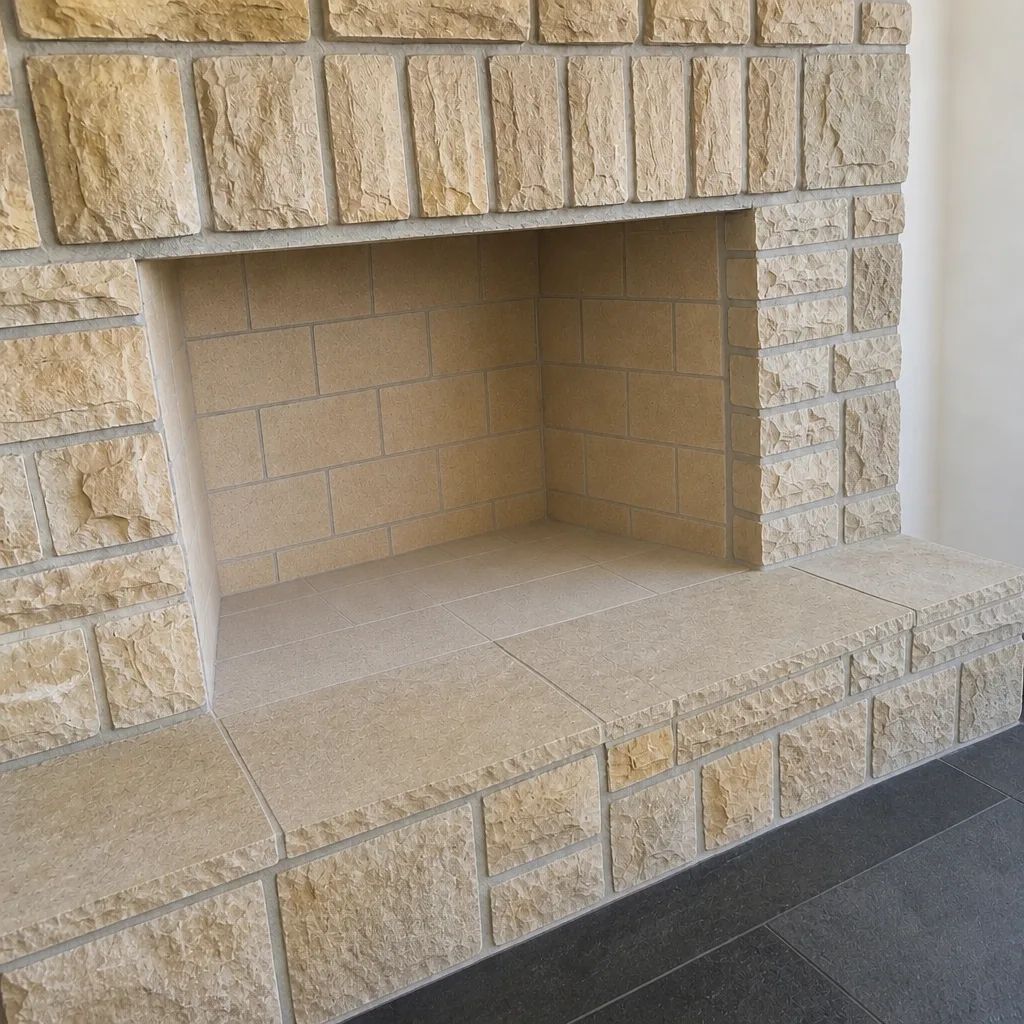
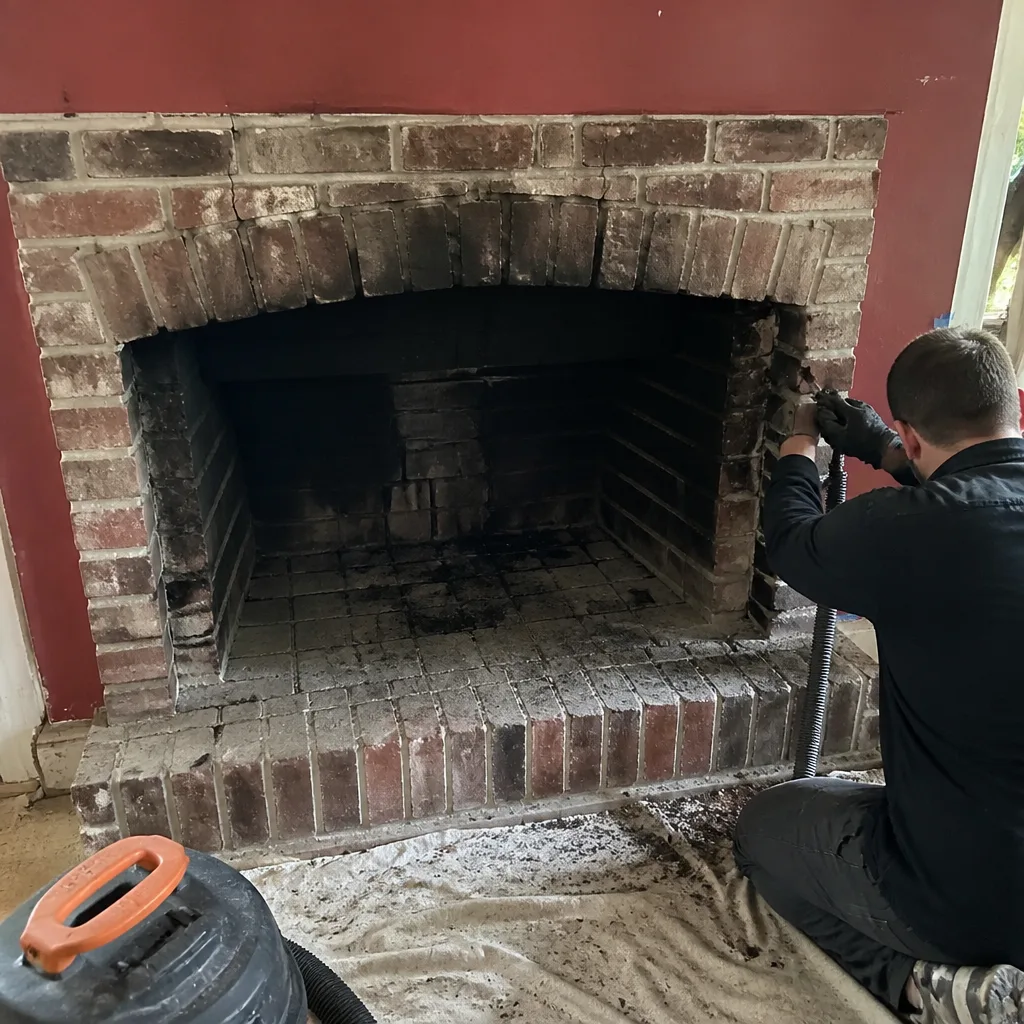
See the difference
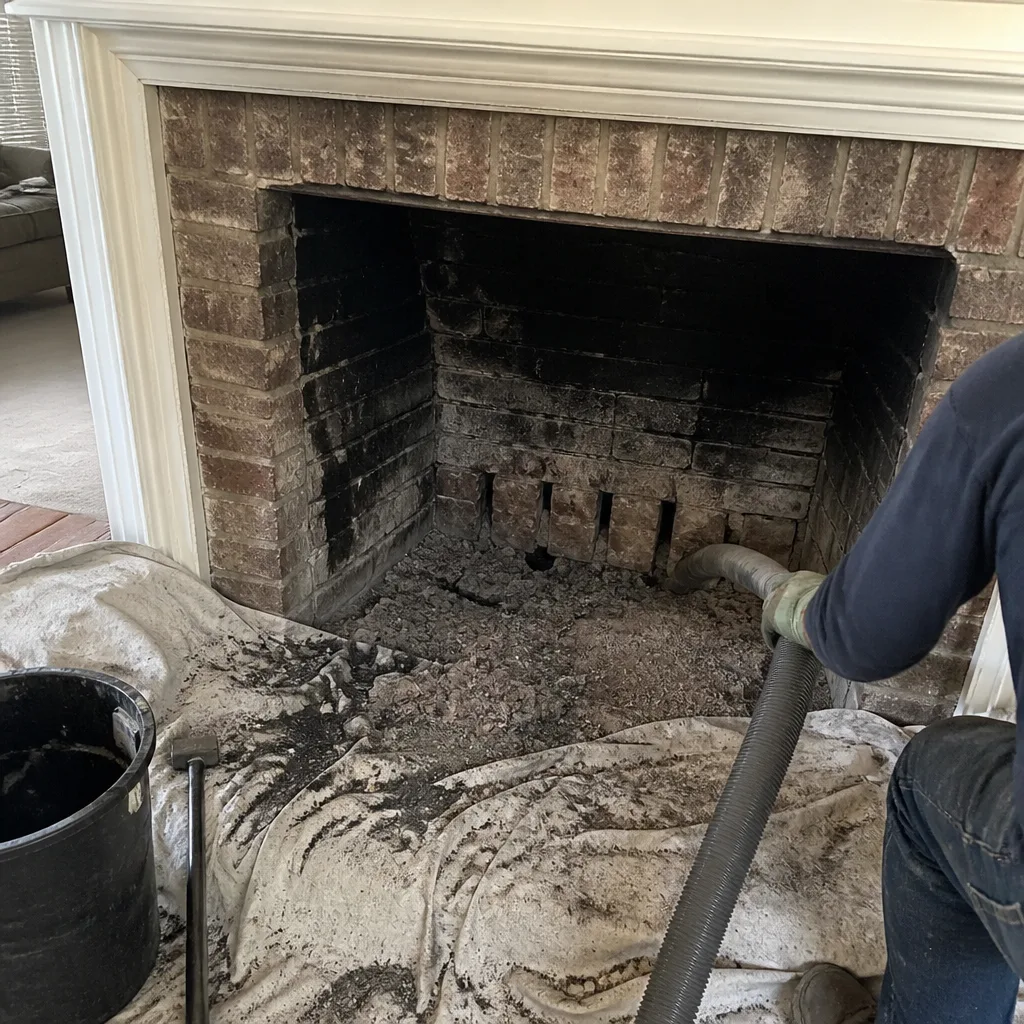 Before
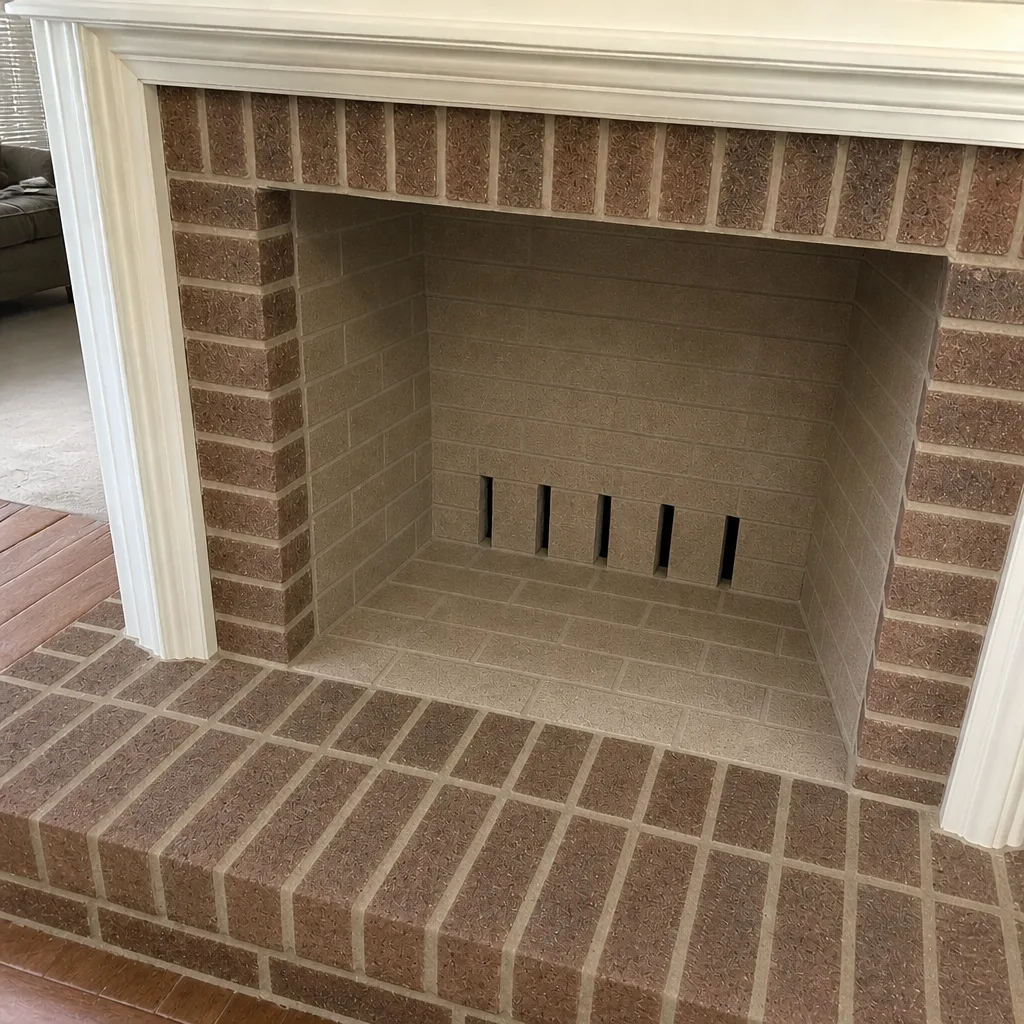 After
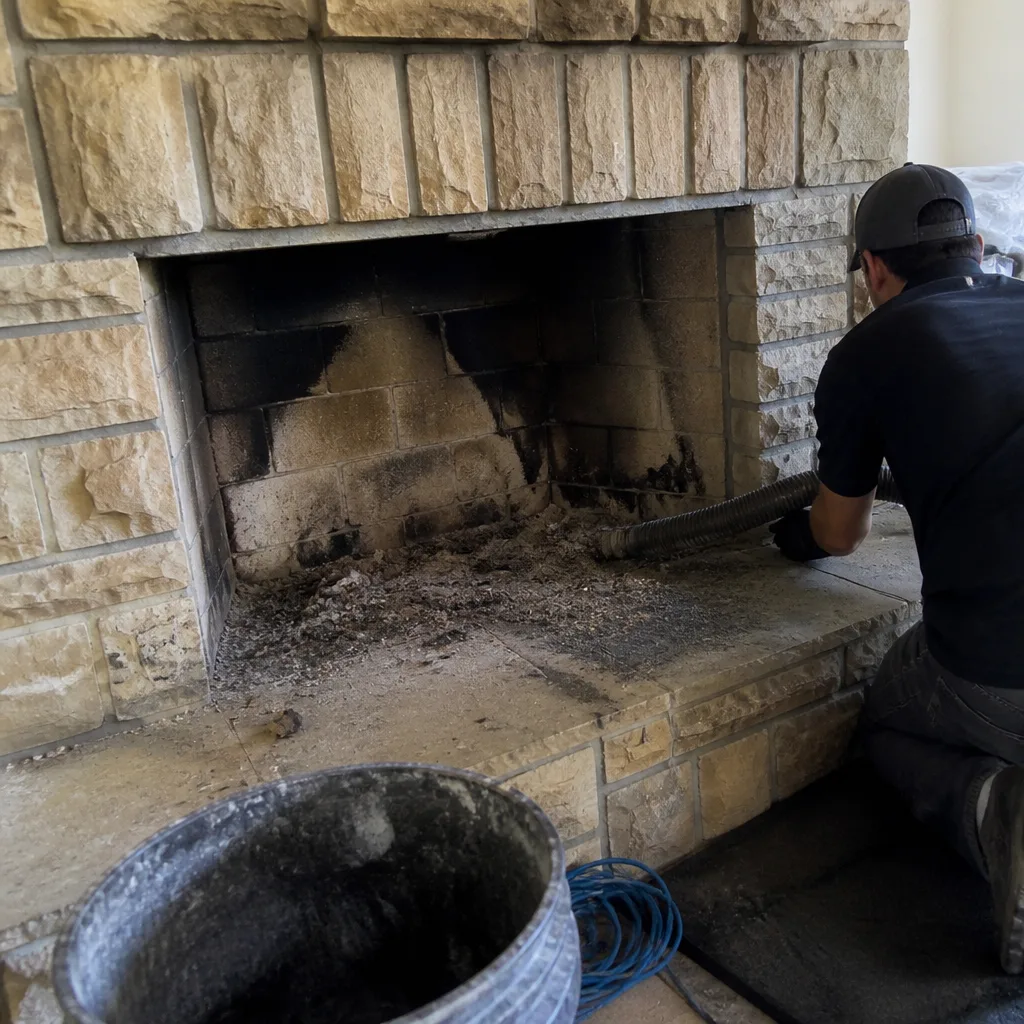 Before
 After
 Before
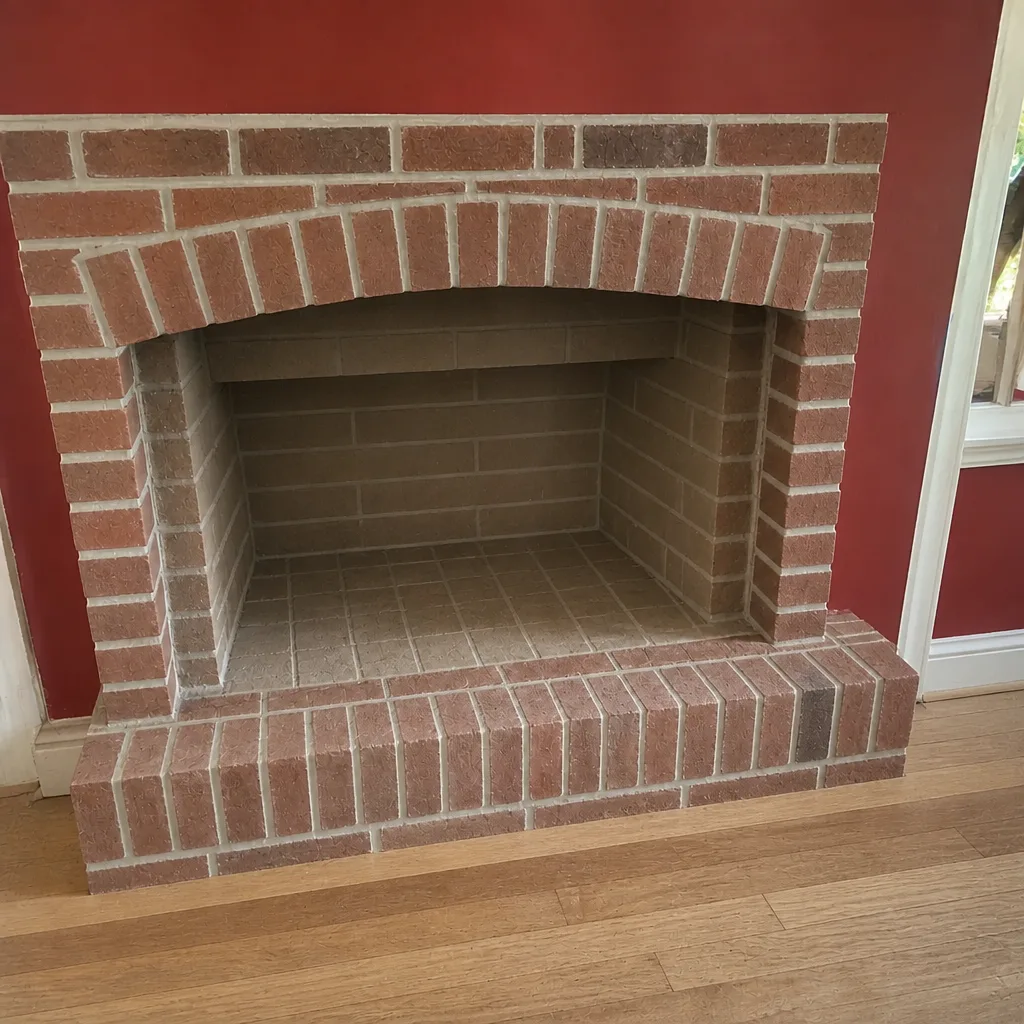 After
Frequently Asked Questions
A standard chimney sweep in South Fulton typically runs in the low-to-mid hundreds of dollars, and the price is set per job by the written estimate. Sweeps that include a visual inspection and photo report of the flue are priced slightly higher because the technician spends more time diagnosing. We don’t charge a diagnostic fee or trip charge, and the estimate is free. Call (888) 268-0915 for an exact quote – estimates are free.
Not always. A liner that’s intact but has minor gaps can often be restored with HeatShield ceramic resurfacing, which is a cost-effective alternative to full relining. A new liner is warranted when the flue has separated tiles, a cracked length, or damage that resurfacing can’t safely cover. The liner decision should be based on what the camera shows, not what the technician “feels” is needed. Call (888) 268-0915 and we’ll show you what we find before recommending anything – estimates are free.
A wood-burning fireplace should be swept annually, and more often if you burn frequently or use unseasoned wood. South Fulton homes that burn most evenings in winter may need a sweep at the start and end of the season. Gas appliances need an annual inspection even though they produce little creosote. The right interval is based on buildup, and the only way to know buildup is to look. Call (888) 268-0915 to book a sweep – estimates are free.
Two risks build up over time: creosote, which is highly flammable and the leading cause of chimney fires, and carbon monoxide, which can enter the living space if the flue is blocked or cracked. Neither is visible from inside the room. Skipping a sweep doesn’t cause a problem immediately, but it lets a small issue (a partial blockage or a hairline crack) grow into a bigger one. Call (888) 268-0915 for a sweep and inspection – estimates are free.
Because the fan is pulling air out of the house, which lowers indoor pressure and pulls air down the flue. This is a negative-pressure problem, not a chimney problem. The fix is usually to give the fireplace its own combustion air source (an outside air kit), not to close the kitchen fan off. A proper diagnosis starts with a pressure test and a camera inspection. Call (888) 268-0915 in South Fulton – estimates are free.
No. Stop using it until a Level 2 inspection with a camera scan confirms the flue is intact. A chimney fire can crack flue tiles, warp the damper, and dislodge liner sections in ways that aren’t visible from the firebox. Using the fireplace before the inspection risks carbon monoxide entering the home. Call (888) 268-0915 to arrange a Level 2 inspection – estimates are free.
A Level 1 is a visual check of the accessible parts of the chimney, done during a routine sweep. A Level 2 adds a full camera scan of the flue interior and is required after a chimney fire, a change of appliance, a move-in, or any smoke rollout. In South Fulton, we recommend a Level 2 whenever the fireplace’s history is unknown. Call (888) 268-0915 to discuss which level your situation needs – estimates are free.
The Bottom Line
Most chimney problems you’ll notice from the living room come down to one of four causes: a blockage, a damaged damper, negative air pressure, or a liner issue. The symptom tells you which one to look for, but the camera tells you which one is actually there. A Level 1 visual inspection handles the first look. A Level 2 camera inspection confirms the diagnosis before any repair begins. Whichever path your chimney needs – sweep, inspect, or repair – the right answer is set by what the flue shows, not by what looks convenient. If you’re in South Fulton and something about your fireplace feels off, get the flue looked at before the next fire.
Contact
Whether you need a routine sweep, a Level 2 inspection, or a repair using professional-grade components like DuraFlex, HeatShield, Famco, or Copperfield, Valor Chimney Cleaning handles all three under one company – sweeping, inspection, and repair, from diagnosis through completion. Valor Chimney Cleaning means doing the job right, even the parts you can’t see. Call (888) 268-0915 for a free estimate. We answer 24/7. Fast dispatch from 7am to 7pm, Sunday through Friday. Our technicians have up to 9 years of experience.
Written by the team at Valor Chimney Cleaning.