
Last updated November 16, 2026
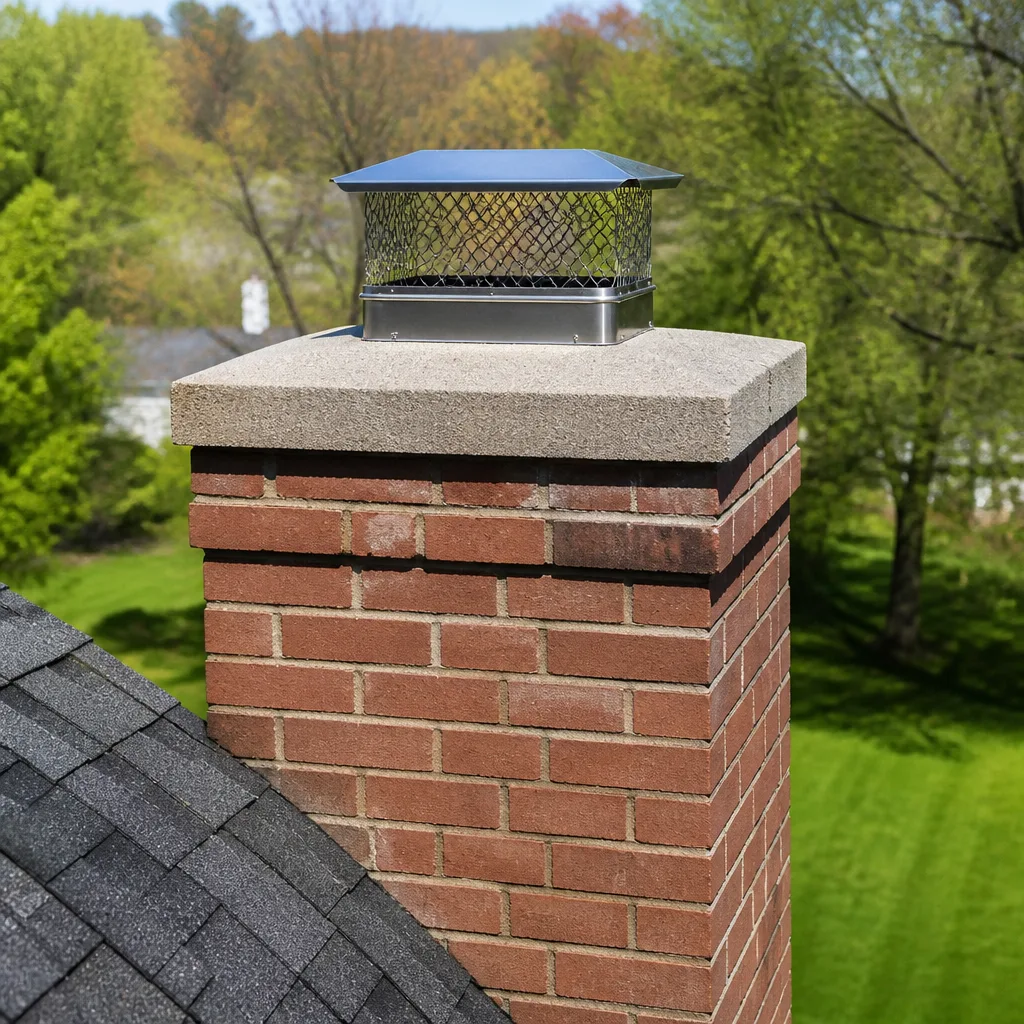 Sweep & inspection
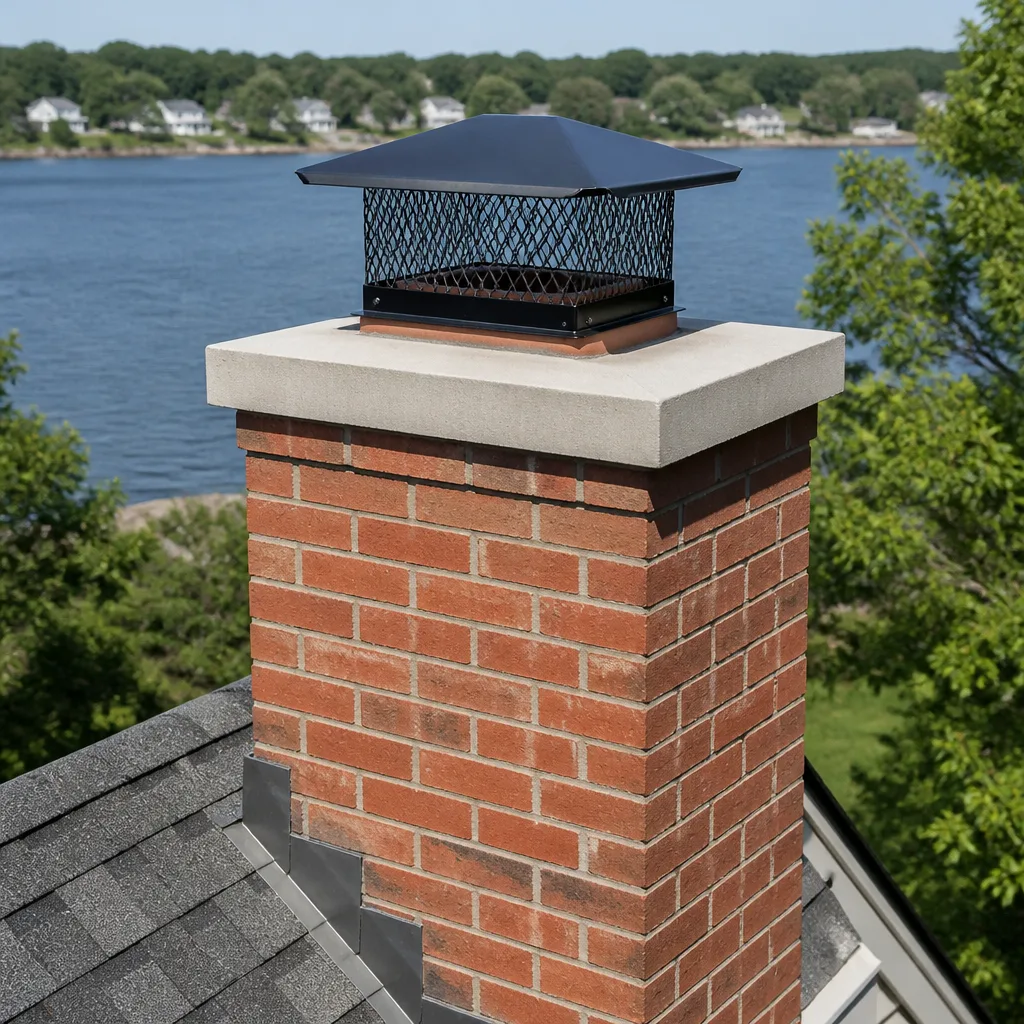 Caps & crowns
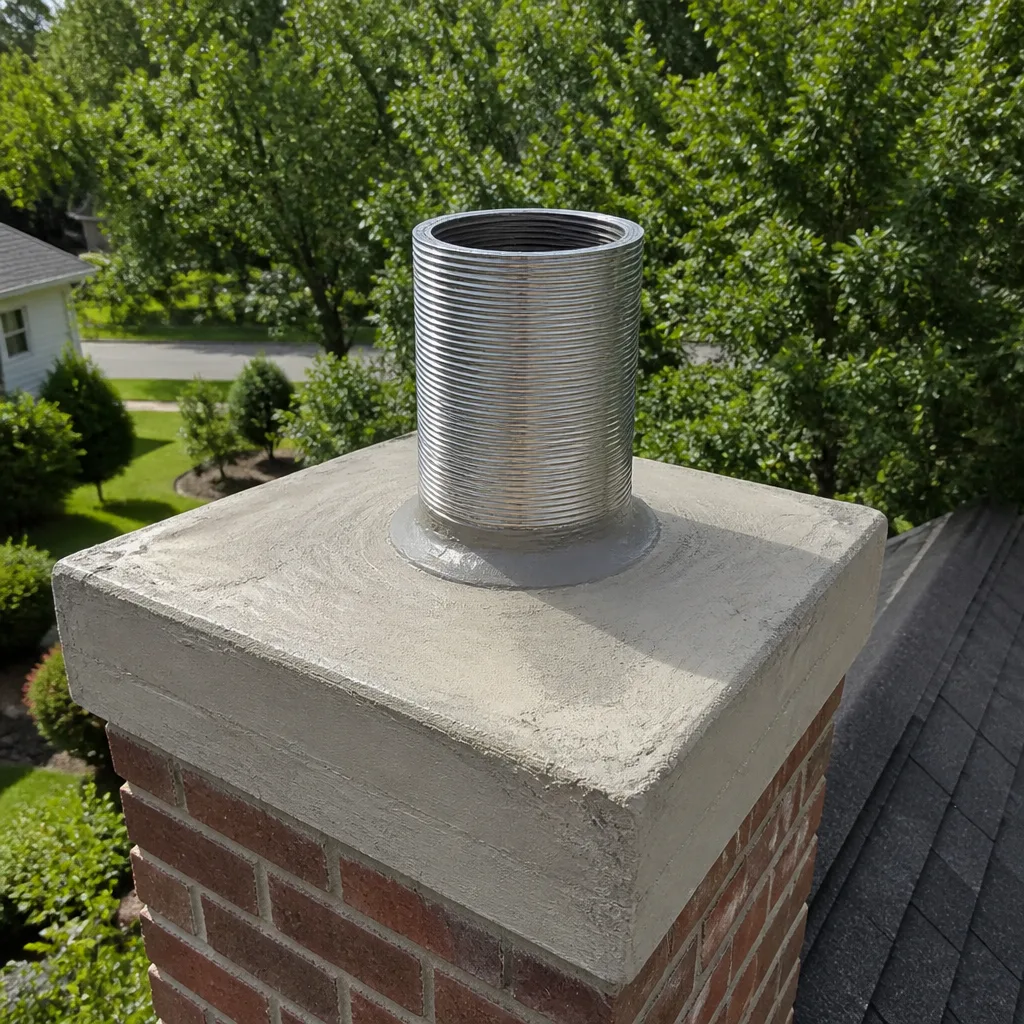 Flue relining
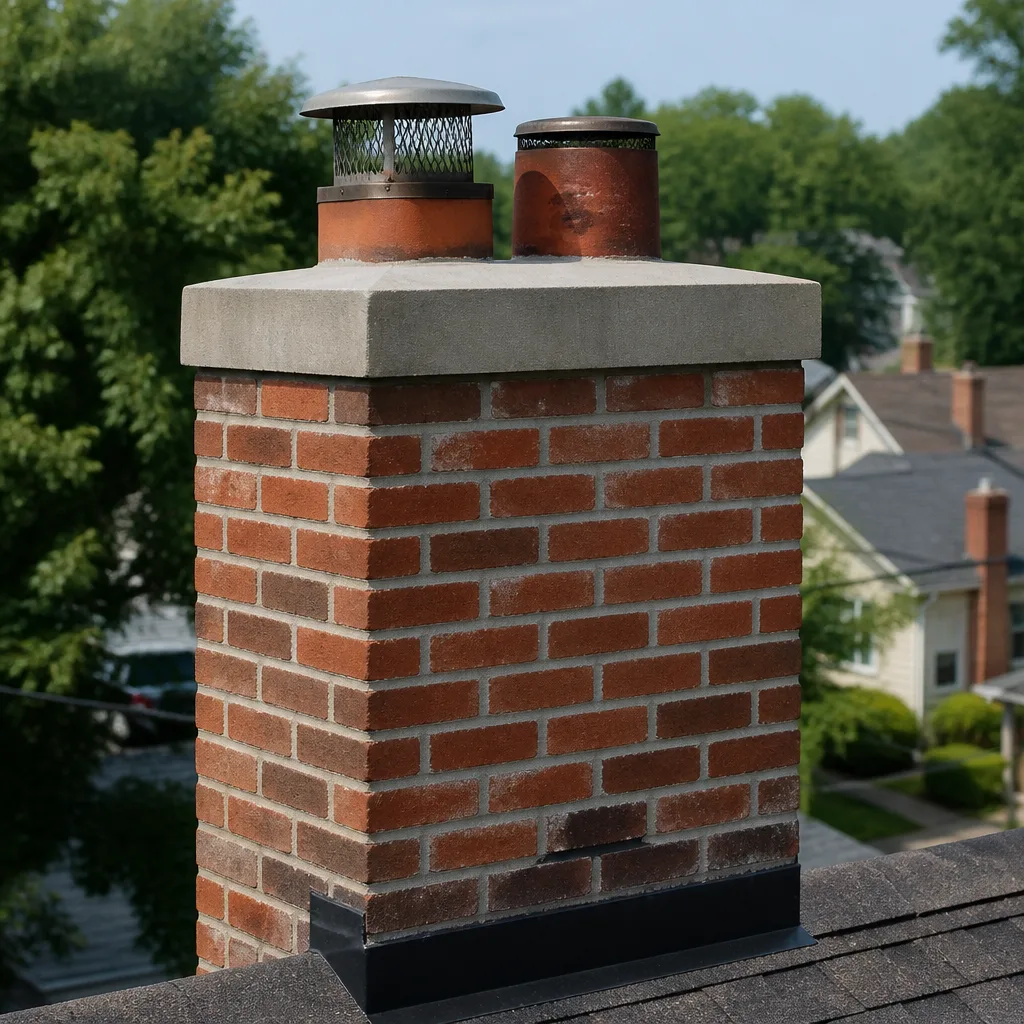 Masonry repair
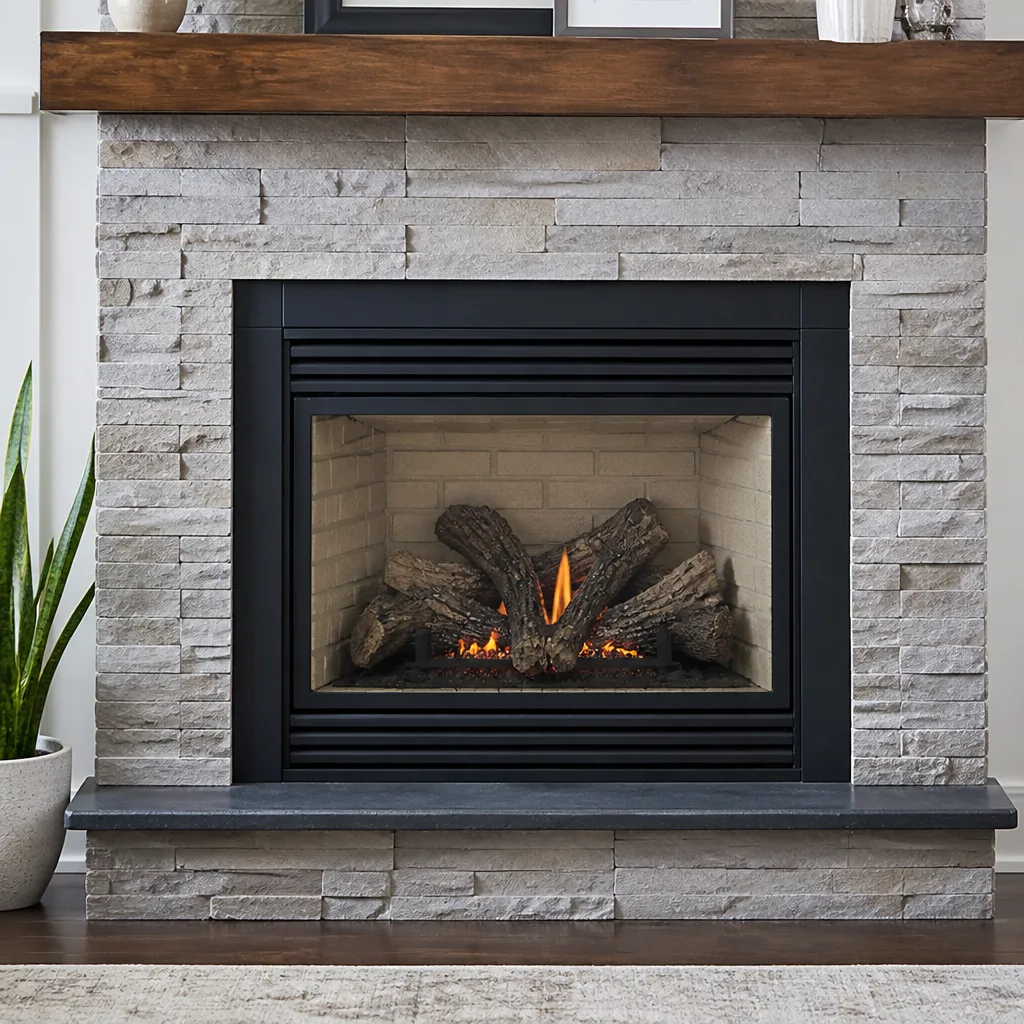 Gas fireplace service
Level 1 sweep and inspection to the NFPA 211 annual standard - flue, crown, cap, and flashing checked and photographed
Chimney sweep logs do not sweep chimneys. They loosen some creosote - which then falls where a brush and vacuum still have to collect it.
Chimney Sweep Maintenance Schedule: What to Do and When
Most homeowners treat a chimney sweep like an oil change: same service, same month, every year. That works fine for a wood-burning fireplace that sees regular use through the winter. It works poorly for a gas appliance that runs a few evenings a month, and it fails completely for a wood stove that burns hot fires daily. The National Fire Protection Association standard everyone quotes was written for wood-burning fireplaces used regularly, not for every fuel type under one roof. Conflating the two leads to two opposite errors: skipping work a chimney actually needs, or paying for visits that add nothing. This guide breaks the schedule down by fuel type, creosote stage, and South Fulton’s own climate so you can build a plan around your chimney instead of the calendar.
Quick Answer
Sweep a wood-burning fireplace or wood stove once a year when it’s used regularly, and inspect every fuel-burning chimney annually regardless of fuel type. Gas and oil appliances usually need inspection and cleaning on a longer interval driven by how much they run, and any chimney should be re-checked after a creosote report shows Stage 2 or Stage 3 buildup. In South Fulton, book the pre-season visit in late September, before the first cool evenings bring the heating season on.
Styles & brands we work with
- Sweep & inspection
- Caps & crowns
- Flue relining
- Masonry repair
- Gas fireplace service
Table of Contents
- The Schedule by Fuel Type
- How Creosote Stage Sets Your Next Appointment
- Seasonal Timing for South Fulton’s Climate
- What You Check Between Professional Visits
- Building a Chimney Log That Pays You Back
- Inspection Levels and What Each One Covers
- Common Mistakes to Avoid
- When to Call a Professional
The Schedule by Fuel Type
The single biggest reason annual sweeping gets applied too broadly is that fuel type changes almost everything about how a chimney ages. A wood fire deposits creosote and ash on the flue walls. A gas appliance produces mostly water vapor and a small amount of acidic condensate. An oil appliance leaves soot and sulfur residue. Each leaves a different signature, and each needs a different maintenance clock.
Wood-burning fireplaces and wood stoves
These need the most attention. Sweep at least once a year when the fireplace is used regularly, and more often if you burn frequently through the heating season or burn unseasoned wood. A wood stove running hot fires daily can accumulate enough creosote in a few months to justify a mid-season sweep. If your last report showed heavy buildup, don’t wait for the anniversary.
Gas fireplaces and gas-fired appliances
A gas fireplace that lights up two or three times a month produces little to sweep. What it does produce is moisture and mild acidic condensate that can wear on a liner over time. Annual inspection still matters, but a full sweep every single year is often unnecessary. We’ve seen gas fireplaces go several seasons between cleanings without a problem, and we’ve seen others need attention sooner because the flue stays cool and the condensate never fully dries. The inspection tells you which one you have.
Oil-fired appliances
Oil produces soot and sulfur residue that settles on the flue and, left long enough, corrodes metal liners. Inspect annually and clean based on what the inspection finds. Soot buildup in an oil flue is not the same as creosote in a wood flue, but it accelerates corrosion in a way that wood soot does not.
The pattern holds: fuels that deposit material on the flue wall need sweeping on a schedule driven by how much they deposit. Fuels that mostly produce vapor need inspection on a schedule driven by how much they run and how well the flue handles moisture. If you’re in South Fulton and you’re not sure which category your appliance falls into, a chimney sweep visit will establish the baseline and tell you what interval fits.
How Creosote Stage Sets Your Next Appointment
Your last sweep report tells you more about your next appointment than the calendar does. Creosote is graded in three stages, and the stage the technician records should drive when you book next, not the date on the invoice.
Stage 1 creosote
A light, flaky, soot-like deposit that brushes off easily. This is what a well-run wood fire produces, and it’s the stage you want to see. If your report reads Stage 1 and the chimney is clean at the end, a once-a-year sweep is usually enough for a wood-burning fireplace used regularly.
Stage 2 creosote
A harder deposit, often shiny or tar-like, that takes more work to remove. It signals cooler, less efficient burns – damp wood, a fire starved of air, or a flue that isn’t drafting well. A Stage 2 reading doesn’t just mean “sweep again in a year.” It means the next sweep may need to come sooner, and it’s worth looking at what’s producing it. We keep HeatShield ceramic resurfacing on hand for cases where Stage 2 or 3 buildup has damaged the liner surface and a full reline isn’t the only option.
Stage 3 creosote
A thick, glazed, hardened deposit that’s difficult to remove and the most combustible of the three. Stage 3 in a flue is the strongest reason to act sooner rather than later, and it usually means a full sweep followed by an inspection to check whether the liner needs restoration or replacement. DuraFlex flexible liner systems are what we use when the answer is a full reline.
So the creosote stage from your last report should shape two things at once: when you book the next sweep, and whether the next visit is routine maintenance or a diagnostic job. A report that says Stage 1 and a report that says Stage 2 should not lead to the same scheduling decision.
Seasonal Timing for South Fulton’s Climate
Much of the country has a forgiving pre-season window – a full October to get the sweep in before the cold arrives. South Fulton’s climate shortens that window considerably. Heating season here starts earlier and stretches longer than homeowners who moved down from northern states expect, and by the time the first genuinely cold evenings arrive, the pre-season slots are largely gone.
Why late September is the right pre-season mark for South Fulton
Georgia’s cooling season lingers well into September, which means many homeowners don’t think about the chimney until the first genuinely cool evening, usually in October. By then the pre-season window has closed and you’re booking into the heating months. Late September gives you a clear run at your chimney before you need it, and it leaves time for any repair the inspection uncovers to be completed before you want a fire.
Why not November
November is already inside the heating season for most South Fulton households. Booking the pre-season sweep in November means you’re relying on the chimney during the busiest time of the year for chimney work, before the inspection has told you it’s safe to burn.
What the humid summers mean for the schedule
The warm, humid summers here are hard on masonry and on metal components. Water soaking into brick, chronically damp flues, and insect activity in an unused chimney all worsen over the summer months. The late-September pre-season visit is the natural point to spot summer damage before you start burning again, and it’s why a South Fulton chimney schedule benefits from that early look.
What You Check Between Professional Visits
Between annual visits, the homeowner’s job is not to clean the chimney. It’s to notice anything changing. These checks take a few minutes and they feed directly into what we can tell you at the next inspection.
Check the cap and spark arrestor. Look at the chimney cap from the ground. A missing cap, a loose cap, or a screen that has rusted through opens the flue to water, animals, and nesting material. If you see anything loose, note it.
Look into the firebox before lighting. Check that the firebox itself is clear, the firebrick isn’t cracked or missing chunks, and there’s no heavy buildup visible at the damper. A visual check of the firebox before the first fire of the season is quick and tells you a lot.
Test the damper. Open and close the damper by hand. It should move freely and open fully. A damper that sticks, grinds, or won’t close tight is worth mentioning at the next visit; a damper that won’t open at all is a reason to call sooner.
Watch for moisture and staining. On the exterior masonry and around the ceiling near the chimney, look for damp spots, efflorescence (the white powdery staining that appears when water moves through masonry), or discoloration. These are early signs of a water problem.
Listen to the fire. Normal fire sound is steady. A rumbling, roaring sound like a low-flying aircraft, or a rapid crackling that sounds different from usual, are reasons to stop and call, not to keep burning.
None of these involve climbing onto the roof or reaching into the flue. Roof work and flue work belong to trained technicians. The homeowner checks are about noticing, so the professional visit is more informed.
If any of those checks turns up something that needs attention, a South Fulton chimney professional can take a look and tell you whether it can wait until the next scheduled visit or needs to be handled now.
Building a Chimney Log That Pays You Back
A chimney log is a simple record of what happened to your chimney and when. It’s also one of the most useful things you can hand to the next technician who works on it. A log turns every future visit from a cold start into a continuation, and that saves time and money over the life of the chimney.
What goes in the log
- Date of each service visit – sweep, inspection, or repair. A single date per line is enough.
- What was done – swept, inspected, cap replaced, damper adjusted. Plain language.
- The creosote stage recorded on the report – Stage 1, 2, or 3. This is the single most valuable line in the log because it drives your next appointment.
- What the inspection found – soot or glaze in the flue, cracks in the firebox, a liner condition note. Copy the technician’s finding in your own words.
- What was recommended and what you did – recommended a cap, you replaced it. Recommended HeatShield resurfacing, you scheduled it. The recommendation and the outcome matter equally.
- Your fuel type and how often you burn – wood, gas, or oil; occasional, regular, or daily. This one line lets the next technician calibrate the schedule in seconds.
- Any product or brand installed – if a DuraFlex liner, an Olympia Chimney component, or a Copperfield cap was installed, note the brand and the date. Brand and date together let a technician find the right replacement part without guesswork.
Why it pays you back
Repairs get cheaper when the technician can see the history. A liner that was resurfaced two seasons ago and is now showing wear is a very different problem from a liner that has never been touched. The log removes that ambiguity. It also makes it much harder for anyone to sell you work you’ve already had done, or to miss a pattern in how fast your particular chimney builds creosote.
Keep it in a notebook near the fireplace, or a note in your phone. A single page per year is plenty. Over several seasons it becomes a small file that tells the whole story of the chimney.
Inspection Levels and What Each One Covers
A routine sweep and a Level 2 inspection are not the same service, and the NFPA 211 standard draws a clear line between them. Knowing which one your appointment includes keeps your schedule honest.
Level 1 inspection
This is the visual check that’s included with a routine annual sweep. It covers the readily accessible parts of the chimney and venting system: the firebox, the damper, the visible portion of the flue, and the appliance connection. It’s the right level for a chimney that’s used normally and hasn’t changed since the last visit.
Level 2 inspection
A more thorough examination, including a camera inspection of the flue interior and the accessible portions of the chimney not visible from the firebox. It’s the level that applies when the chimney has changed since last inspected: after a chimney fire, after a change of fuel or appliance, after a liner or structural repair, when a property changes hands, or when you’re buying a home with a fireplace. A Level 2 inspection with camera footage is also how a proper diagnostic look at a hidden liner problem gets made.
When it matters to your schedule
A standard annual sweep with a visual assessment is the right floor for most homes. If anything in your log says “changed since last inspection” – a new appliance, a chimney fire, a liner repair, a home purchase – your schedule needs a Level 2, not just the annual sweep. And if a sweep report ever shows Stage 2 or Stage 3 creosote, a camera inspection is how the next step gets decided properly.
We align our inspections with NFPA 211 standards, and every cleaning includes a visual assessment of flue condition. If the assessment turns up a hidden problem that needs a closer look, we use a camera so the finding is something you can see for yourself, not just something we describe. Inspections without visible evidence are the reason homeowners hesitate to trust them. Camera footage and a photo report fix that.
Common Mistakes to Avoid
- Treating every chimney as if it runs on wood. A gas fireplace used a few times a month and a wood stove burned daily have nothing in common except the word “chimney.” Applying the annual wood-fire schedule to a gas appliance leads to either unnecessary sweeps or missed condensate damage.
- Skipping the sweep report and just asking “did it pass?” A “pass” without the creosote stage and the recorded findings is almost useless for scheduling. Ask for the stage on every report, in writing.
- Booking the pre-season visit in October or November. In South Fulton’s climate, late September is the pre-season mark; October is inside the rush. Booking early enough to schedule any repair before the first fire avoids the scramble.
- Never looking at the cap. A missing or damaged cap is the most common way water and animals get into a chimney, and it’s visible from the ground. A quick look between visits catches it before it becomes masonry damage.
- Sweeping the flue but ignoring the appliances that connect to it. A wood stove with a clogged baffle or a gas appliance with a blocked flue passage sweeps clean but still won’t work safely. Inspection covers the whole venting system, not just the flue.
- Not keeping any record. Without a log, every inspection starts from zero and every repair is priced against a blank slate. A few minutes a year writing down what happened pays back in less guesswork and less unnecessary work.
- Believing annual sweeping is always the answer. Sometimes annual sweeping is more than a chimney needs; sometimes it’s not enough. The right schedule for South Fulton homes is built around fuel type, burn frequency, and the last inspection’s findings – not a fixed date on the calendar.
When to Call a Professional
Call a professional if your annual maintenance is due and you haven’t had an inspection this year, or if anything in your between-visit checks changed. Call sooner if you’ve had a chimney fire, even a small one you think went out on its own. Call if you’re buying or selling a home in South Fulton with a fireplace, because a final inspection is standard in that transaction. Call if a fire in the firebox backs smoke into the room, if the damper won’t open or close, if masonry or a flue liner is cracked, or if you see staining or moisture on the exterior chimney.
Valor Chimney Cleaning offers free estimates in South Fulton. Call (888) 268-0915. We answer 24/7. Fast dispatch from 7am to 7pm, Sunday through Friday.
And call if you simply can’t find your last sweep report. A fresh inspection that establishes the creosote stage and liner condition gives you the baseline you’re missing, and a written report to start the log. The point of all this is not to sell you more service than the chimney needs. It’s to make sure the schedule you follow is the right one for the chimney you actually have.
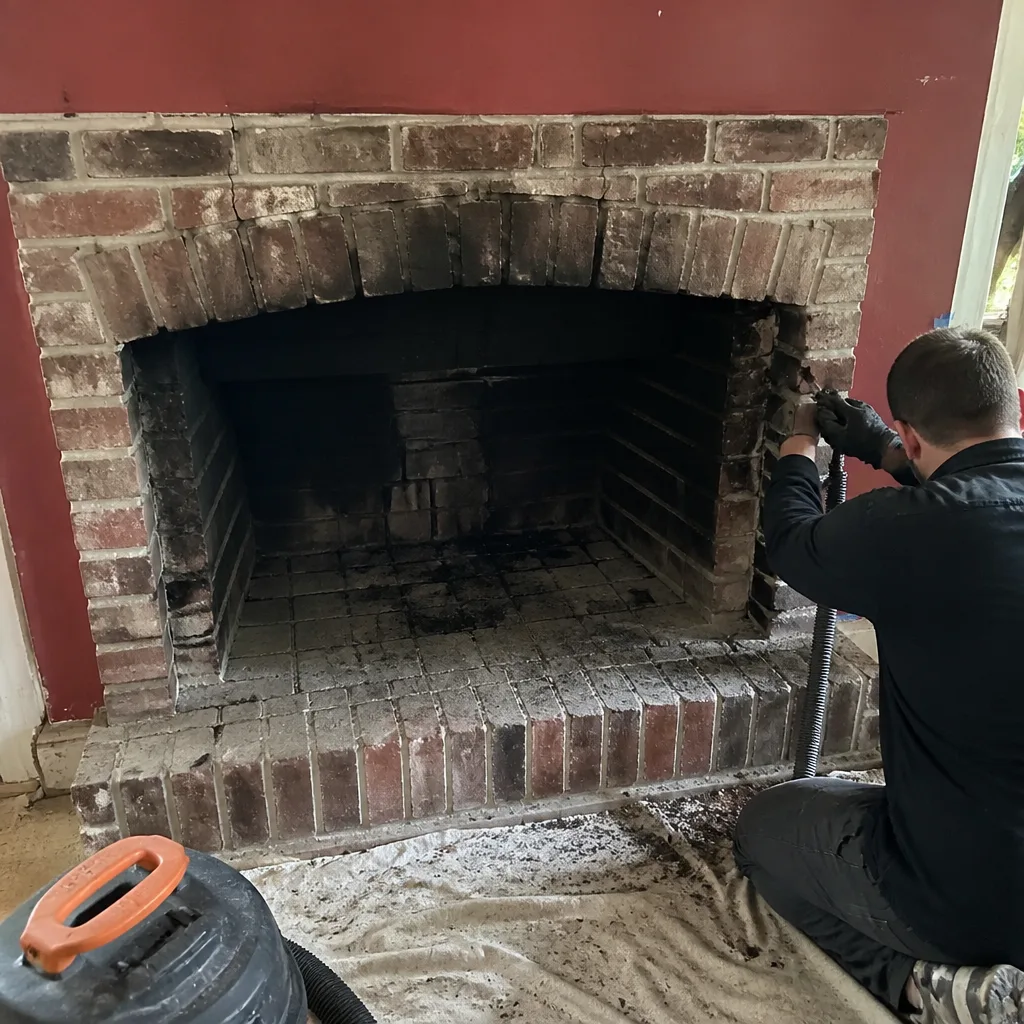
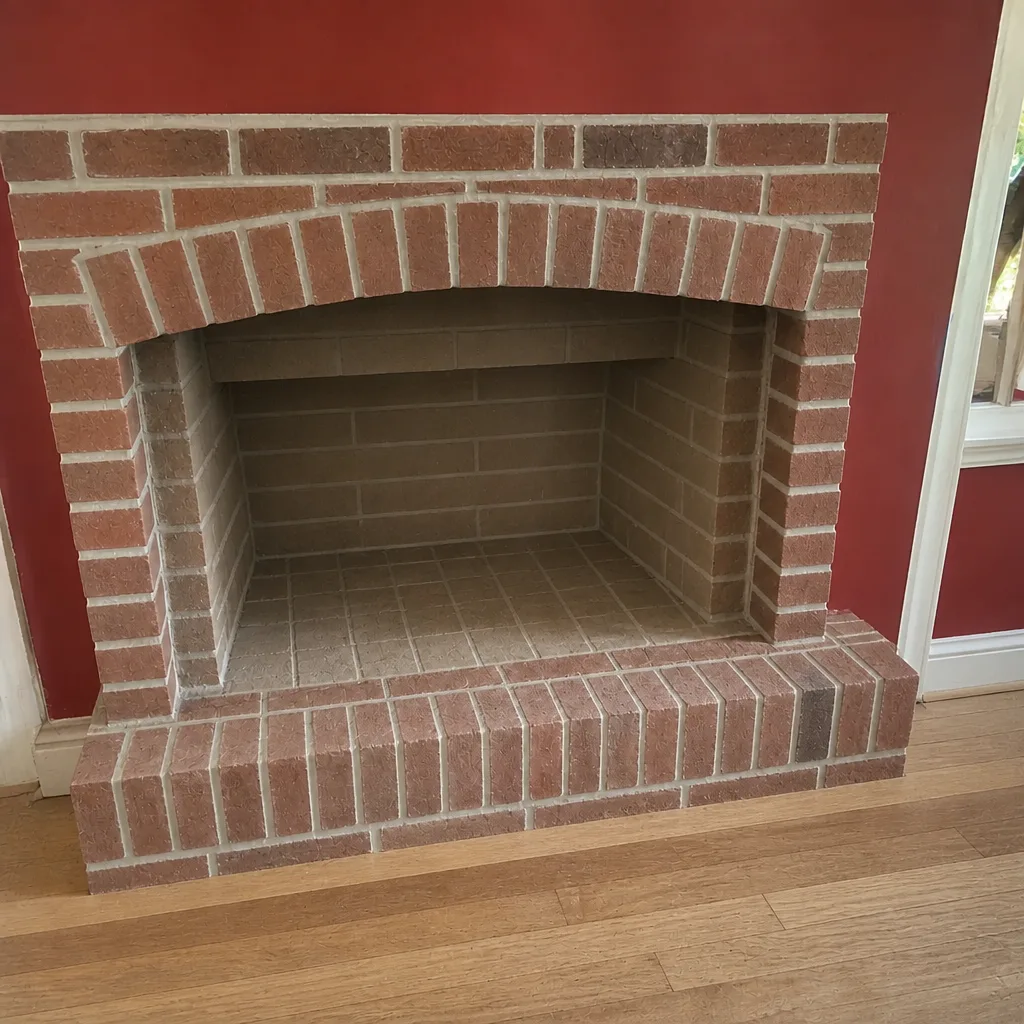
See the difference
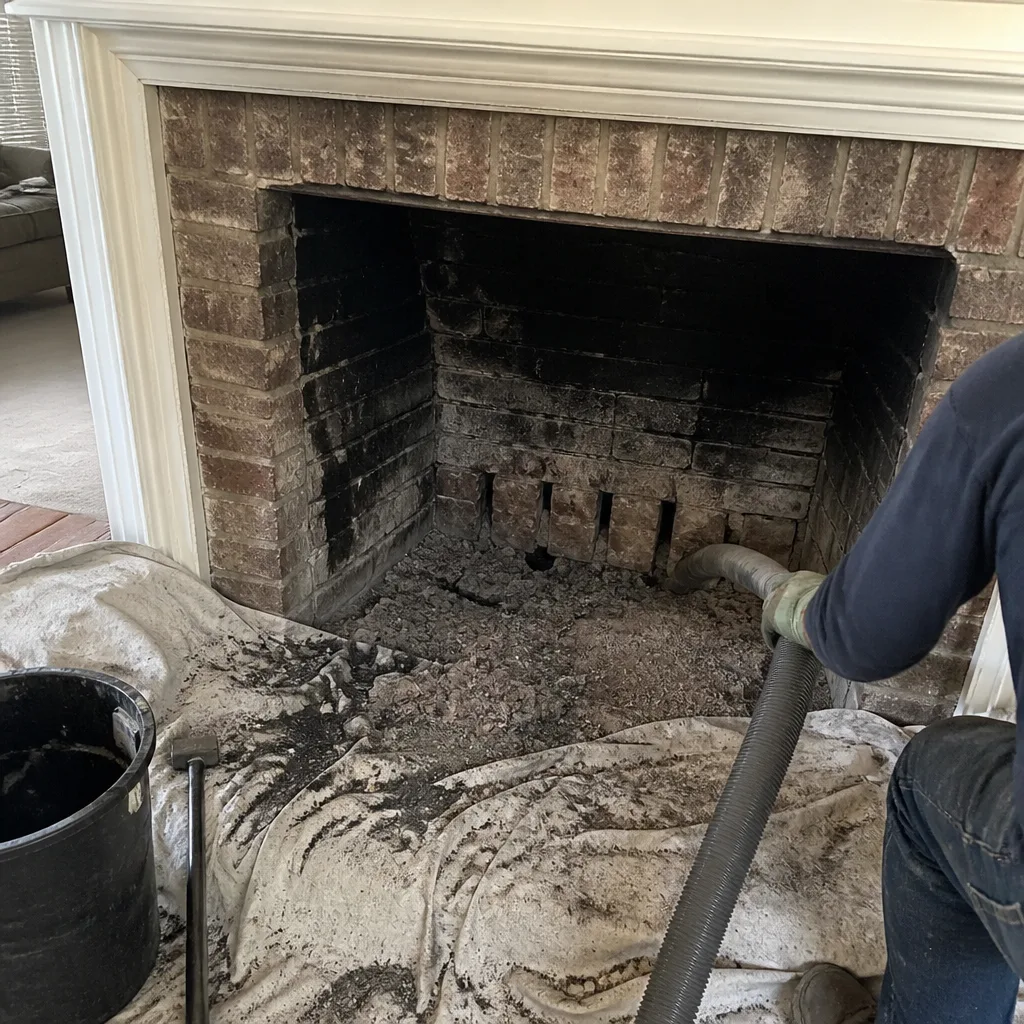 Before
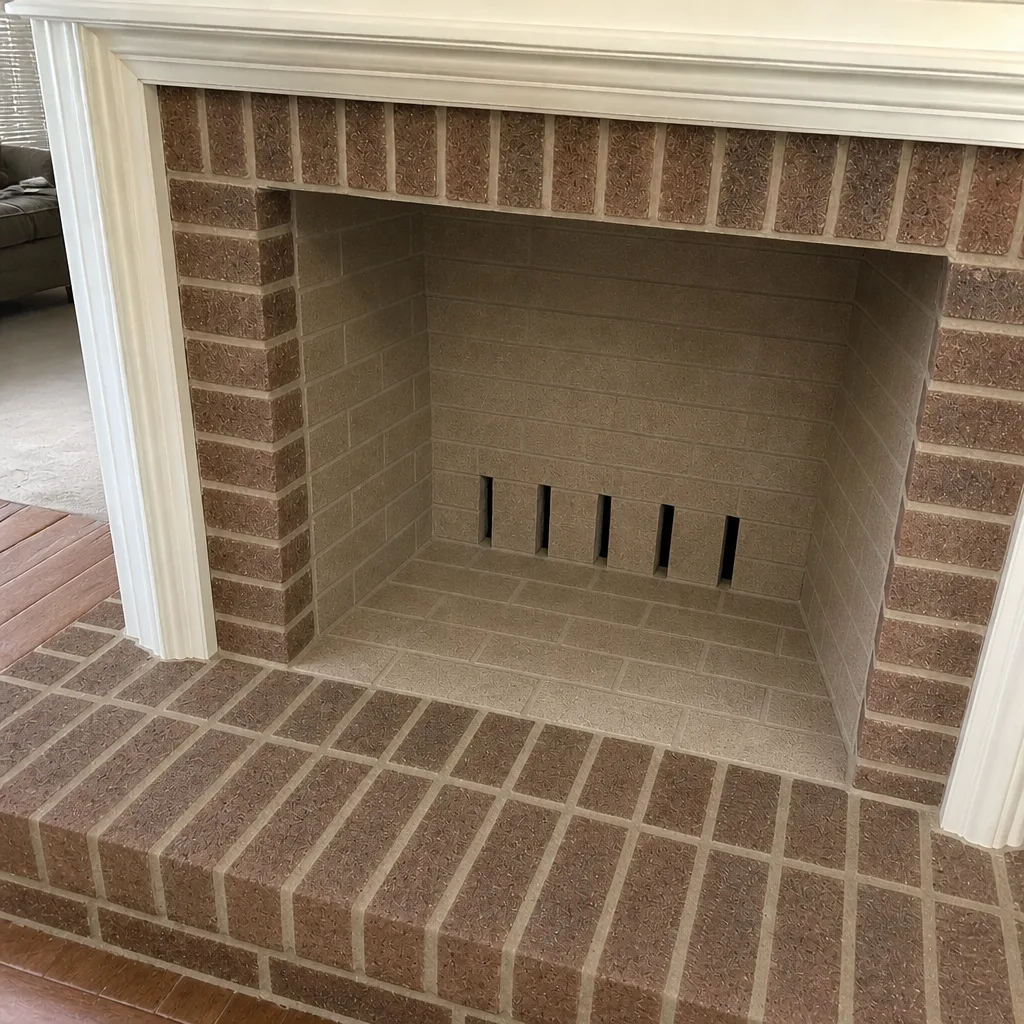 After
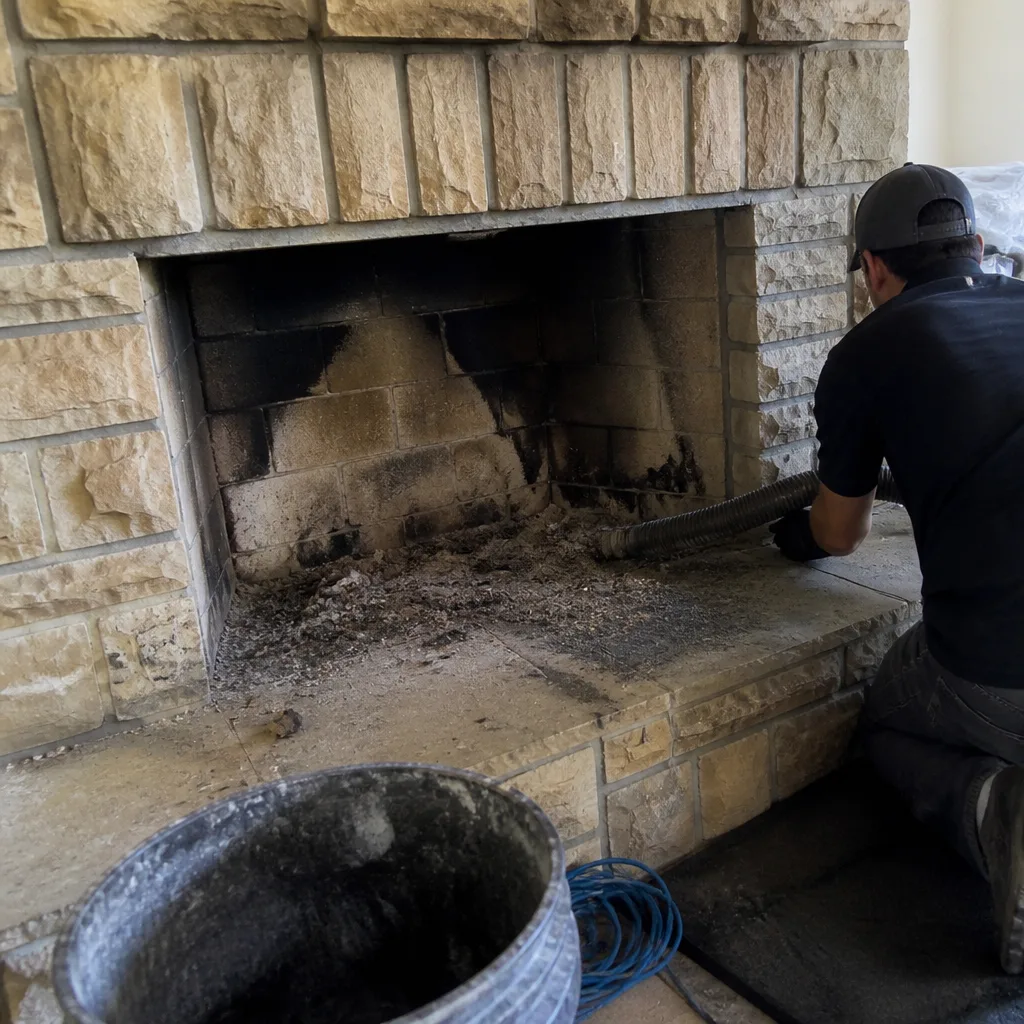 Before
 After
 Before
 After
Frequently Asked Questions
Sweep a wood-burning fireplace or wood stove at least once a year when it’s used regularly, and more often if you burn frequently through the heating season or burn unseasoned wood. Every fuel-burning chimney should be inspected annually regardless of fuel type, and the inspection findings decide whether the next sweep comes sooner or later. In South Fulton, book the sweep for late September so the pre-season visit happens before the heating season starts. Call (888) 268-0915 for a free estimate.
No, not necessarily. A wood-burning fireplace that’s used a couple of times a month still needs an annual inspection, but the sweep itself may not be needed every single year if the creosote stage is low and the flue is clean. The inspection is what tells you which schedule fits your chimney. A gas fireplace used a few times a month typically needs a longer interval than a wood fire. Call (888) 268-0915 for an inspection and an honest answer about your chimney.
Stage 1 is a light, flaky, soot-like deposit that brushes off easily and is what a well-run wood fire produces. Stage 2 is harder and often shiny or tar-like, signalling cool or inefficient burns, and it usually means the next sweep should come sooner plus a look at what’s producing it. Stage 3 is thick, glazed, and highly combustible, and it’s the strongest reason to act now and check whether the liner needs restoration or replacement. Call (888) 268-0915 to schedule an inspection that records the stage.
Yes, and some of it you should. From the ground, you can check the chimney cap and spark arrestor, look in the firebox before lighting a fire, test the damper by hand, and watch for moisture or staining on the exterior. Don’t climb onto the roof or reach into the flue – that work belongs to trained technicians, and a fall or a hidden hazard isn’t worth the saving. Call (888) 268-0915 if any of your checks turns up a concern.
South Fulton’s heating season starts earlier than many homeowners expect, and October is already the busy pre-season window. Booking the annual sweep and inspection in late September gets you ahead of the rush and leaves time for any repair the inspection uncovers to be completed before you want the first fire. Booking in November, once heating season has begun, means relying on the chimney before it’s been checked. Call (888) 268-0915 to book your pre-season visit.
Start a new one with a fresh inspection. A professional inspection records the creosote stage, flue condition, and any repair recommendations, and that report gives you the baseline to build on. Keep the report, add the date of your next sweep, and note the fuel type and how often you burn – a few minutes a year is all the log needs. Call (888) 268-0915 for a free estimate at your South Fulton home.
The Bottom Line
The NFPA’s annual-sweep guidance is a floor, not a ceiling. The right schedule for your chimney depends on what you burn, how often you burn it, and what the last inspection found. Wood-burning appliances need the most frequent attention. Gas and oil appliances usually need inspection on a longer interval driven by how much they run. Creosote stage from the last report drives when the next sweep is booked, more than the date does. In South Fulton, late September is the pre-season mark. Between visits, check the cap, the firebox, and the damper, and keep a log. If you’re not sure where your chimney falls, an inspection answers that faster than a search. Valor Chimney Cleaning handles sweeping, inspection, and repair with one crew and one company, and we use professional-grade materials – the same brands chimney specialists rely on. Call (888) 268-0915 for a free estimate.
Written by the team at Valor Chimney Cleaning.