
Last updated November 16, 2026
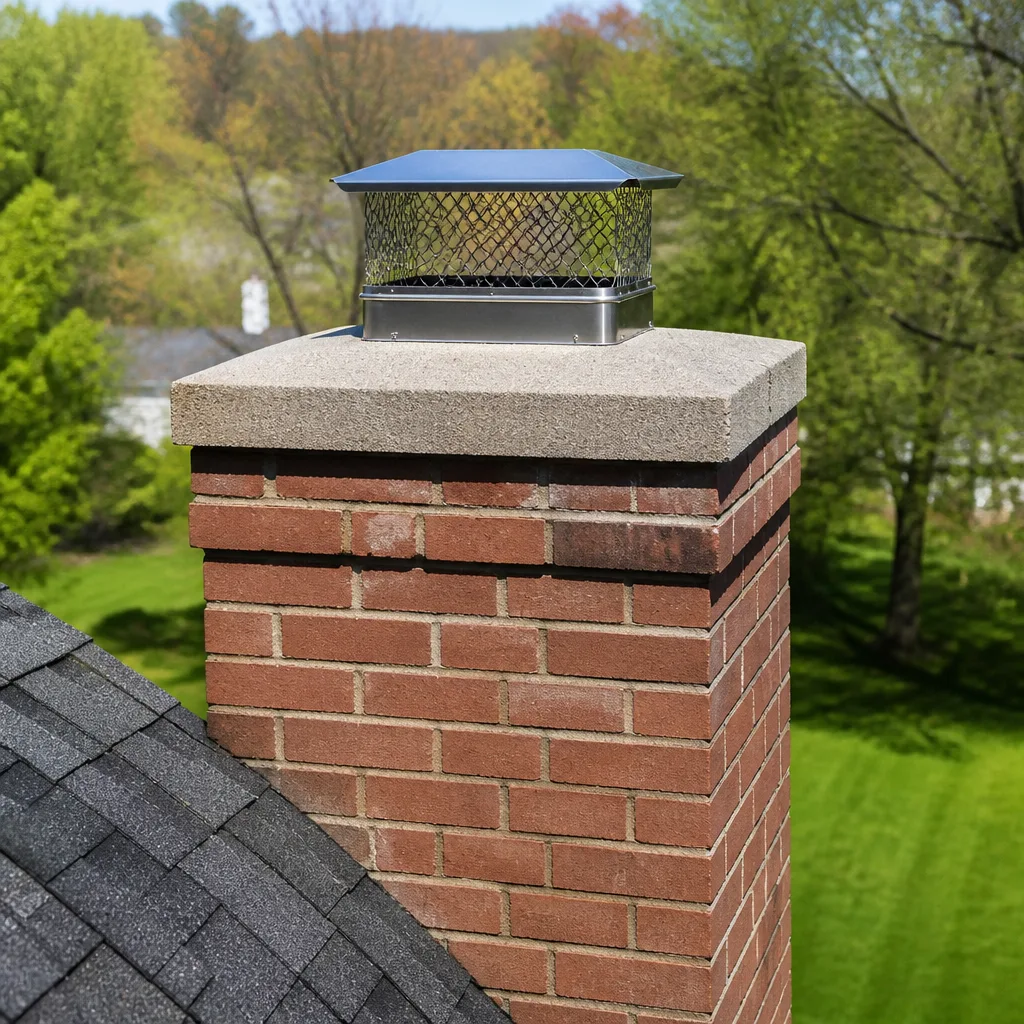 Sweep & inspection
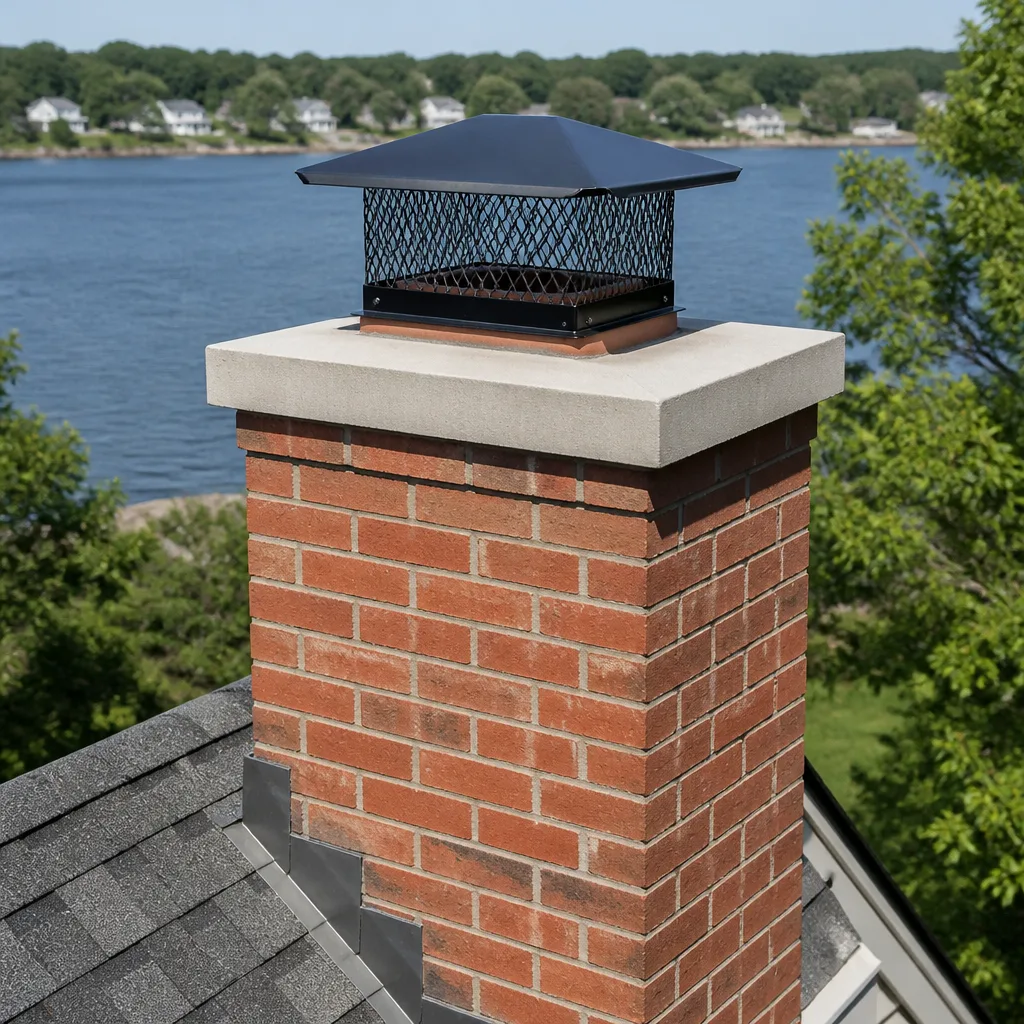 Caps & crowns
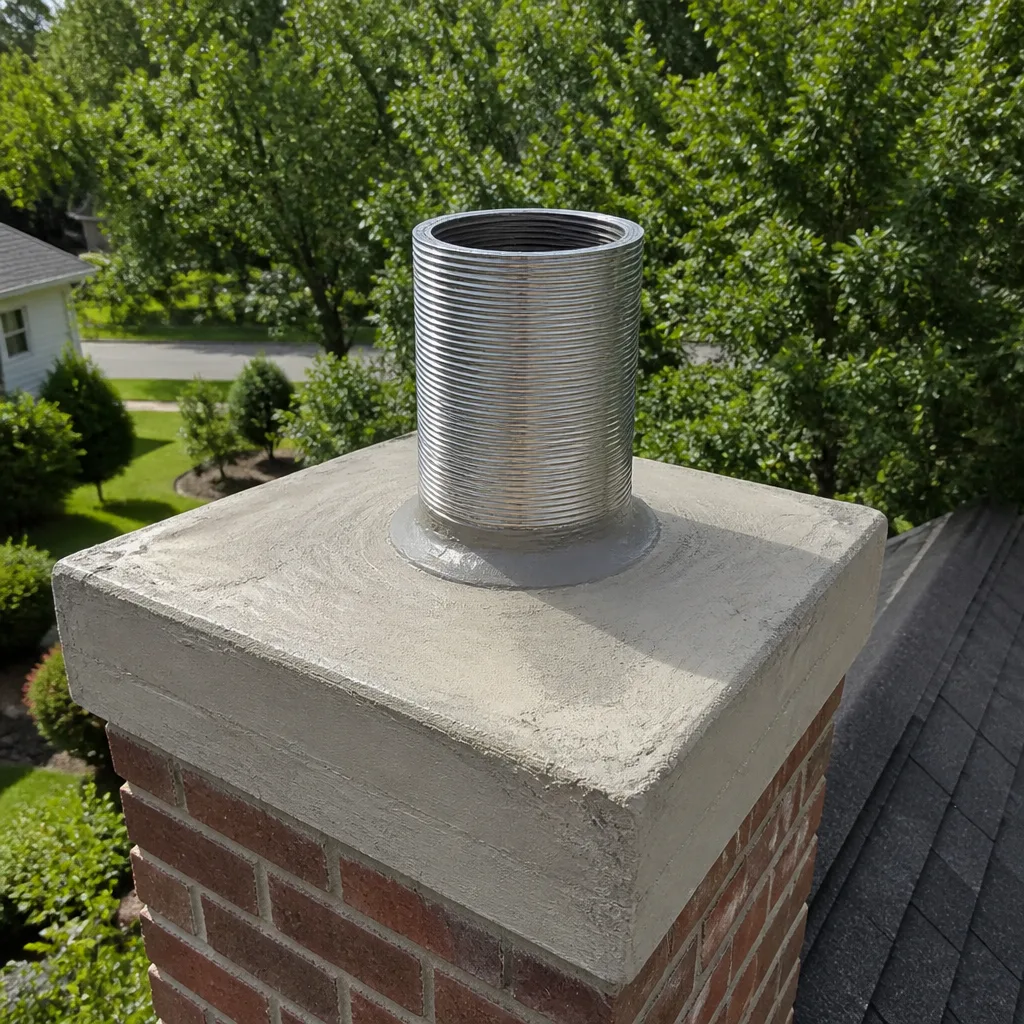 Flue relining
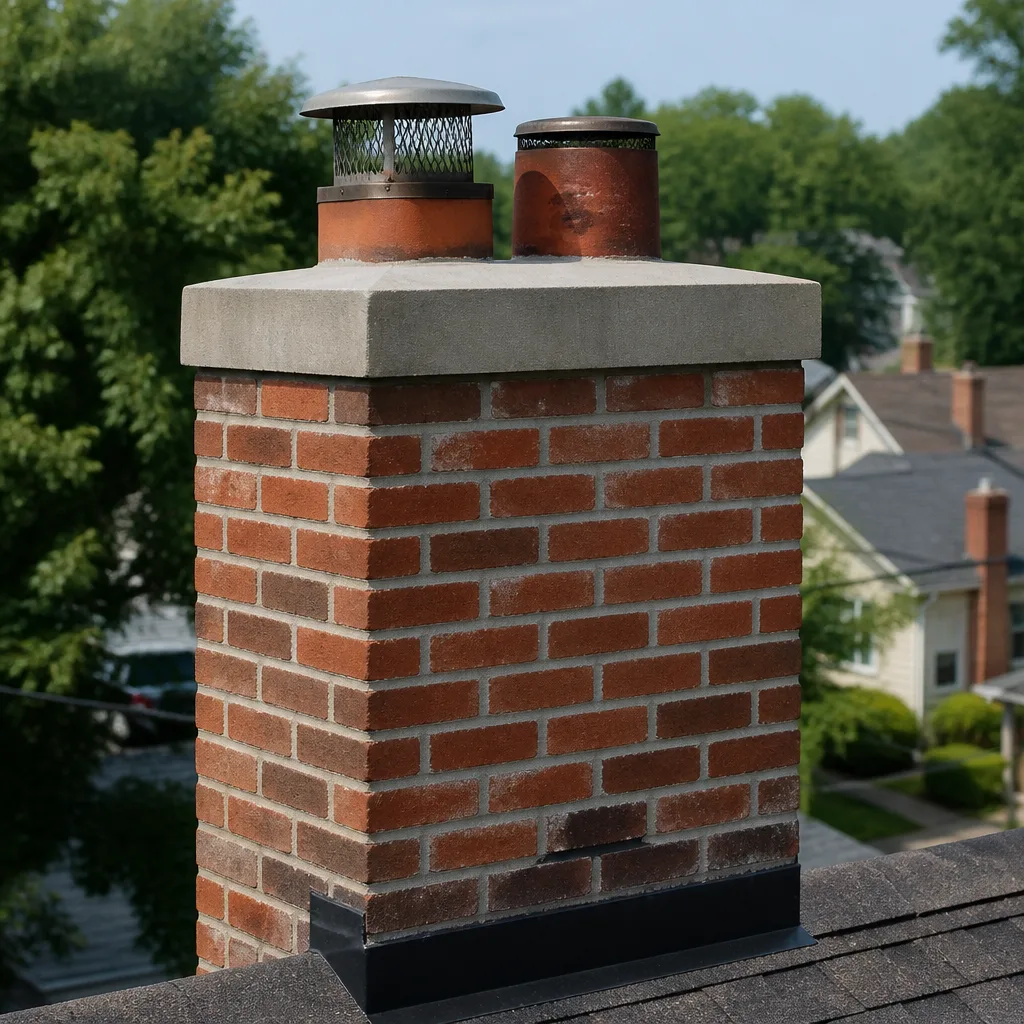 Masonry repair
 Gas fireplace service
Level 1 sweep and inspection to the NFPA 211 annual standard - flue, crown, cap, and flashing checked and photographed
Chimney sweep logs do not sweep chimneys. They loosen some creosote - which then falls where a brush and vacuum still have to collect it.
Chimney Cleaning Emergency Preparedness Guide for South Fulton Homes
When a chimney fire starts, the instinct to throw water on it is wrong, and it can make things far worse. The right response is counterintuitive, and it only works if you already know how your system is built and what to look for before anything happens. Most chimney emergencies – fires, carbon monoxide events, sudden blockages – follow patterns, and those patterns almost always announce themselves first. This guide walks South Fulton homeowners through recognizing the warning signs, responding correctly in the moment, and documenting the event afterward for insurance and repair. Read it before you need it.
Quick Answer
If you suspect a chimney fire, close the damper, get everyone out of the house, and call 911 – do not pour water down the flue. After any chimney fire, a Level 2 inspection is mandatory before you burn again, and a written inspection report is what supports an insurance claim. Most chimney emergencies in South Fulton are preventable, and they build up over many seasons of creosote and overlooked flue damage.
Styles & brands we work with
- Sweep & inspection
- Caps & crowns
- Flue relining
- Masonry repair
- Gas fireplace service
Table of Contents
- How Do You Know a Chimney Fire Is Happening Right Now?
- What Should You Do in the First Minutes of a Chimney Fire?
- Why Is Water the Wrong Response?
- How Does a Chimney Become a Carbon Monoxide Source?
- What Has to Happen After a Chimney Fire Before You Burn Again?
- How Do You Document a Chimney Fire for Insurance?
- What Are the Warning Signs That Precede an Emergency?
- How Does the South Fulton Burning Season Shape Your Risk?
How Do You Know a Chimney Fire Is Happening Right Now?
A chimney fire is often quieter and less dramatic than people expect. Many homeowners mistake one for a hot, healthy fire because the fire in the box looks fine. In our experience, the clues are in the sounds, the smell, and what’s coming out of the top of the chimney rather than what’s happening in the firebox.
Look for these signals together, not one at a time:
- Sound: A low rumble, a roaring like a distant train, or a series of popping and cracking noises that seem to come from inside the chimney rather than the firebox.
- Smell: A sharp, hot, almost metallic burning smell, or a sudden strong odor of smoke inside a room that normally stays clear.
- Visual signs from outside: Thick, dark smoke, or sparks and flames visible at the top of the chimney. Puffy, dense smoke that doesn’t thin out the way normal exhaust does.
- Heat and vibration: The chimney pipe or the wall around it feels unusually hot, or the stovepipe shudders and vibrates.
- Drafts that change: A sudden strong pull in the room, or smoke backing into the house from a damper that was working fine an hour earlier.
A slow-burning chimney fire can smolder for a long time with almost none of the sound. That’s why a chimney sweep and a visual flue assessment matter more than any single symptom. A glazed, puffy, or honeycombed creosote layer inside the flue is the fuel a chimney fire needs, and it’s invisible from the room. If you’ve never had your flue inspected in South Fulton, you’re working from guesswork about what’s coating the inside of it.
What Should You Do in the First Minutes of a Chimney Fire?
Get people out first, then worry about the chimney. In the first minutes of a chimney fire, the correct sequence is close the damper, evacuate the house, and call 911. Everything else waits until the fire department says the structure is safe.
Here is the order that matters:
- Get everyone out. Adults, children, pets. Don’t stop to gather belongings.
- Close the damper. If you can reach it safely on the way out, close the fireplace damper or the stove’s air controls. Cutting off the air supply starves the fire of oxygen and can slow it.
- Call 911. Tell them it’s a chimney fire and whether the fire is still active. Even if it seems to have gone out, let them come. Chimney fires can re-ignite inside concealed framing.
- Wait outside. Do not re-enter until the fire department clears the building.
- Leave the flue alone until it’s inspected. Once the fire department has finished, do not light another fire. The chimney needs a Level 2 inspection before it’s used again.
Notice what isn’t on this list: fighting the fire yourself. A chimney fire burns inside a flue that may be hundreds of degrees hotter than the visible fire, and the creosote feeding it can flash over without warning. The people who try to handle it from the hearth are the ones most likely to be hurt.
Why Is Water the Wrong Response?
Pouring water down a hot chimney can crack the flue. A chimney fire heats the flue lining to temperatures far beyond anything a normal fire produces. When cold water hits that liner, the sudden temperature change can shatter clay tile or warp a metal liner – turning a fire you might have contained into a structural failure with a path for flames into the framing of your home.
There are other reasons water fails:
- A bucket of water aimed down the flue is unlikely to reach the burning creosote at all. The fire is often higher up than you can throw.
- The steam created when water hits a very hot surface can drive smoke and fire back into the room.
- If the flue cracks, you now have a fire with an open path into the attic or wall cavity – exactly what a chimney is supposed to prevent.
The one exception is a small, contained fire in the firebox itself, where a fire extinguisher or a bucket of water on the fire – not down the flue – is reasonable if you’re confident the fire hasn’t spread. If there’s any doubt, evacuate and call 911. A trained professional knows the difference between a hearth fire and a chimney fire, and you can learn to recognize it. Suppressing aerosols or chimney fire sticks may help in some cases, but they don’t replace the fire department, and they don’t repair what the heat did.
How Does a Chimney Become a Carbon Monoxide Source?
Carbon monoxide is the risk homeowners underestimate most. A flue that’s blocked, cracked, or improperly sized lets carbon monoxide – a colorless, odorless gas – back into the living space instead of up and out. Most CO events from chimneys come from damage that was invisible until it wasn’t.
The chimney becomes a CO source in a few common ways:
- Blockage: A nest, leaves, or a collapsed liner section chokes the flue, so combustion gases backdraft into the room instead of venting.
- Cracked lining: A hairline crack in clay tile or a separated joint in a metal liner lets gases escape into the chimney’s hollow space or the surrounding framing.
- Improper draft: A flue that’s the wrong size for the appliance, or a house that’s too tightly sealed, can pull exhaust back into the room instead of drawing it up.
- Disconnected or damaged liner: A wood stove or insert connected to a failed liner is essentially venting into your home.
Early CO symptoms are easy to dismiss: headache, dizziness, nausea, confusion, a feeling of fatigue that goes away when you leave the house. If you and your family feel better outdoors than in, that’s a warning sign worth acting on immediately. Get out, ventilate the house, and call the gas utility or fire department. Then get the chimney inspected before you run the appliance again.
Carbon monoxide kills without warning, so the better strategy is preventing it. An annual inspection that includes a camera view of the flue surfaces hidden damage before it becomes a hazard. In South Fulton, where many homes have inserts and wood stoves added after the original chimney was built, mismatched flue sizing is more common than people realize.
What Has to Happen After a Chimney Fire Before You Burn Again?
A Level 2 inspection is mandatory after any chimney fire, and it is not optional. A Level 2 inspection includes a camera inspection of the flue, access to hidden spaces, and a look at the connections and joints that a basic visual check can’t reach. This is the standard our inspections follow, and it’s the standard your insurance company will expect.
What a Level 2 inspection should tell you:
- Whether the flue lining is cracked, warped, or separated from the fire’s heat.
- Whether creosote still coats the flue and needs to be removed.
- Whether the flue size is correct for the appliance.
- Whether the chimney crown, flashing, or masonry was damaged.
- Whether the chimney is safe to use again, or needs repair first.
If the inspection finds damage, the repair depends on what’s wrong. A HeatShield ceramic resurfacing can restore a liner that’s damaged but structurally sound, which is often the more cost-effective option. A full relining with a DuraFlex stainless-steel, UL-listed liner system is the standard choice when the existing liner can’t be repaired. The right product depends on the condition of the flue, not on what’s cheapest, and the wrong choice can leave you right back where you started.
Because we handle sweeping, inspection, and chimney repair under one company, the person who inspects your flue is the person who repairs it. There’s no coordinating between three contractors and no gap where one step gets missed.
How Do You Document a Chimney Fire for Insurance?
Documentation is what turns a chimney fire from a loss into a covered claim. The more complete your record of what happened and what the inspection found, the smoother the insurance process goes. Start documenting while the memory is fresh, not weeks later.
Here’s what to gather:
- Photos and video of the fire in progress, if it’s safe to take them from outside the house.
- Date and time of the fire and how long it burned, plus the fire department’s incident number and the responding department’s report.
- The fire department’s written report – request a copy right away, before the department’s records get archived.
- A written Level 2 inspection report that identifies the damage by location: which flue, which components, which surfaces, and the recommended repair.
- Photos of the damaged lining and masonry taken during the inspection, ideally with the camera-inspection images included in the report.
- The repair estimate in writing from the company that will do the work.
- A record of any related loss – smoke damage to the room, water damage from the fire department, ruined carpet or paint.
What a post-fire inspection report should contain to support a claim: the date of the inspection, the appliance and flue details, the documented condition of the liner and masonry with photographic evidence, the cause of the damage as observed, and the recommended repair with a written estimate. A report that just says “chimney fire, needs relining” with no photos and no component detail won’t get far with an adjuster. Our inspections include a photo report precisely because it’s what the insurance company needs. If you haven’t yet had the chimney looked at, call (888) 268-0915 for a free estimate.
What Are the Warning Signs That Precede an Emergency?
Almost every chimney emergency gives notice first. The problem is that the warnings are subtle, and they get dismissed as normal. Here’s what to watch for, and what each sign is telling you.
- Creosote buildup. A shiny, glazed, or puffy black layer inside the flue is fuel waiting for a spark. This is the number-one precursor to a chimney fire, and you can’t see it from the fireplace.
- A strong, smoky smell in the house when the fireplace isn’t lit, or when it’s warming up. This can mean a blockage or negative pressure problem.
- Smoke backing into the room when the fire is burning. Draft problems often precede backdrafting, which is a carbon monoxide risk.
- A damper that feels different, or a fire that’s harder to start and burns poorly. Partial blockages change how a flue drafts.
- Rust or water stains on the firebox or chimney breast. Moisture intrusion damages liners and masonry, and a wet flue is a damaged flue.
- Loose or crumbling mortar on the chimney exterior, or a crown that’s cracked. Mortar joints fail before the chimney does, but they’re the front line.
- A carbon monoxide detector that chirps or reads high. Never dismiss it. Get out, ventilate, and call the gas company.
Any one of these is a reason to book an inspection, not a reason to wait. A blocked or damaged flue doesn’t heal itself with another season of burning. Our technicians have up to 9 years of experience reading these signs, and the earlier we see a flue, the more options you have. One point worth flagging directly: nothing we recommend happens without camera evidence you can see for yourself, and we’ll tell you plainly when work can safely wait.
How Does the South Fulton Burning Season Shape Your Risk?
Chimney risk in South Fulton isn’t constant – it clusters around the first cold snap and the holiday burn season. The pattern is predictable, and it’s the reason the best time to prep is before the weather forces the issue.
Here’s how the season typically plays out in the South Fulton area:
- First cold snap. Homeowners who haven’t burned in months fire up the fireplace for the first time. Any creosote buildup from last season, any critter nest, any liner damage from the summer is suddenly in play. This is when the phone starts ringing.
- Holiday burn season. More frequent fires and more wood burning per week means creosote builds faster than people expect. A flue that was fine in November can be dangerous by January.
- Late winter and early spring. The trickle of slow-burn chimney fires and CO calls that come from a season of buildup nobody checked on.
- Summer. The quiet season. This is the best time to book an inspection, because the schedule is open and there’s time to fix what’s found before the first cold snap.
South Fulton’s climate matters too. The area’s humid summers and the freeze-thaw cycle of winter put stress on masonry and mortar joints. Moisture gets in, freezes, expands, and opens cracks. Those cracks are where CO and fire find a path. A specialty chimney company reads the season and the climate together, which is why we look at the crown, the flashing, and the masonry along with the flue.
We dispatch Sunday through Friday, 7am to 7pm, and we’re closed Saturday. If a door fails on a Saturday, call and we’ll book you for Sunday. Booking before the cold snap is easier on everyone than booking after it.
Common Mistakes to Avoid
- Pouring water down a burning flue. This can crack or shatter the liner and turn contained heat into a structural failure. Evacuate and call 911 instead.
- Assuming a hot, clean-looking fire means the chimney is fine. A chimney fire can smolder with a healthy-looking firebox. The flue is where the danger lives, and it’s invisible from the room.
- Burning again after a fire without a Level 2 inspection. A fire department permission to re-enter is not permission to burn. Get the inspection before the first fire.
- Skipping the CO detector. A chimney can become a carbon monoxide source without any visible sign. A working CO detector is a low-cost safeguard every South Fulton home with a fuel-burning appliance should have.
- Treating a blocked flue as a seasonal annoyance. A bird nest or a collapsed liner section can backdraft combustion gases into the house. It’s a safety problem, not an inconvenience.
- Hiring on price alone. A sweep that doesn’t inspect, or an inspection that doesn’t include a camera view of the flue, can miss the crack or the buildup that causes the next fire.
- No documentation after a fire. Without photos, a fire department report, and a written inspection report, an insurance claim can stall. Document early.
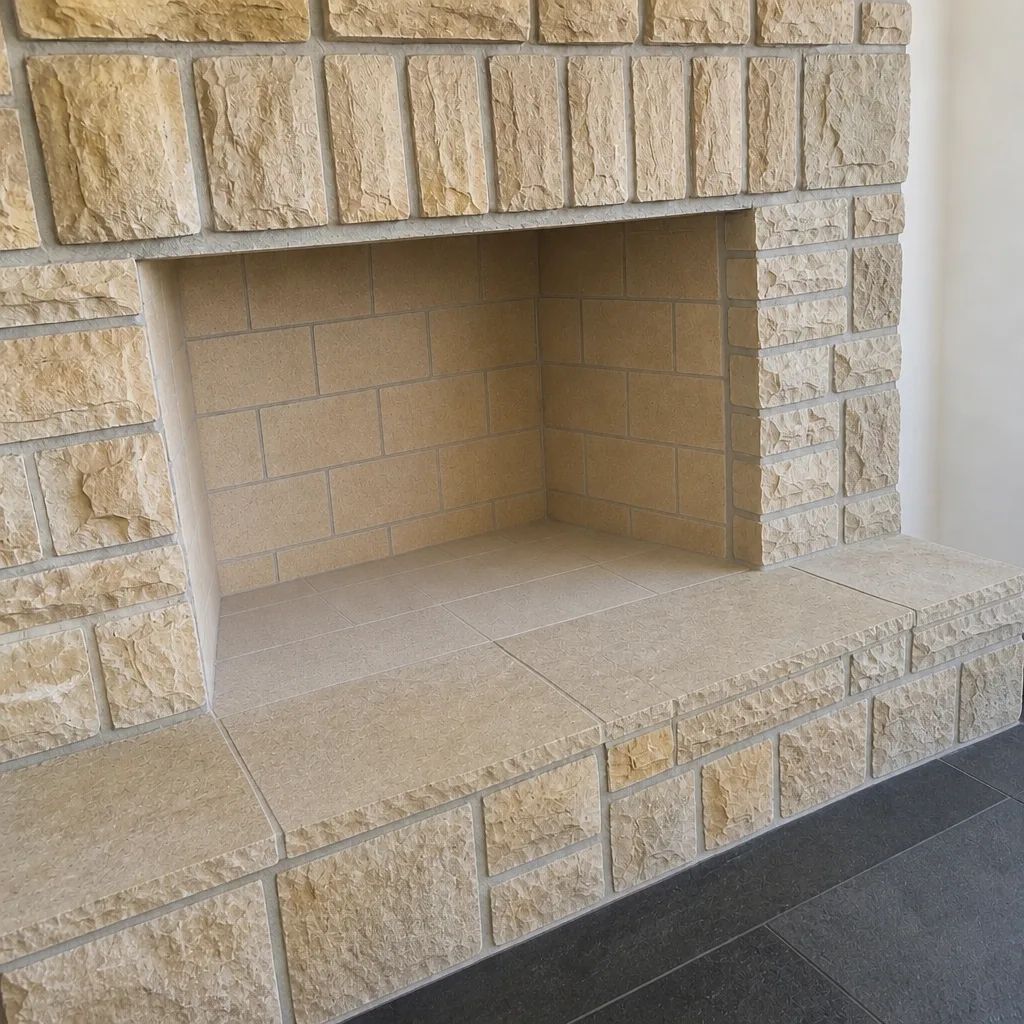
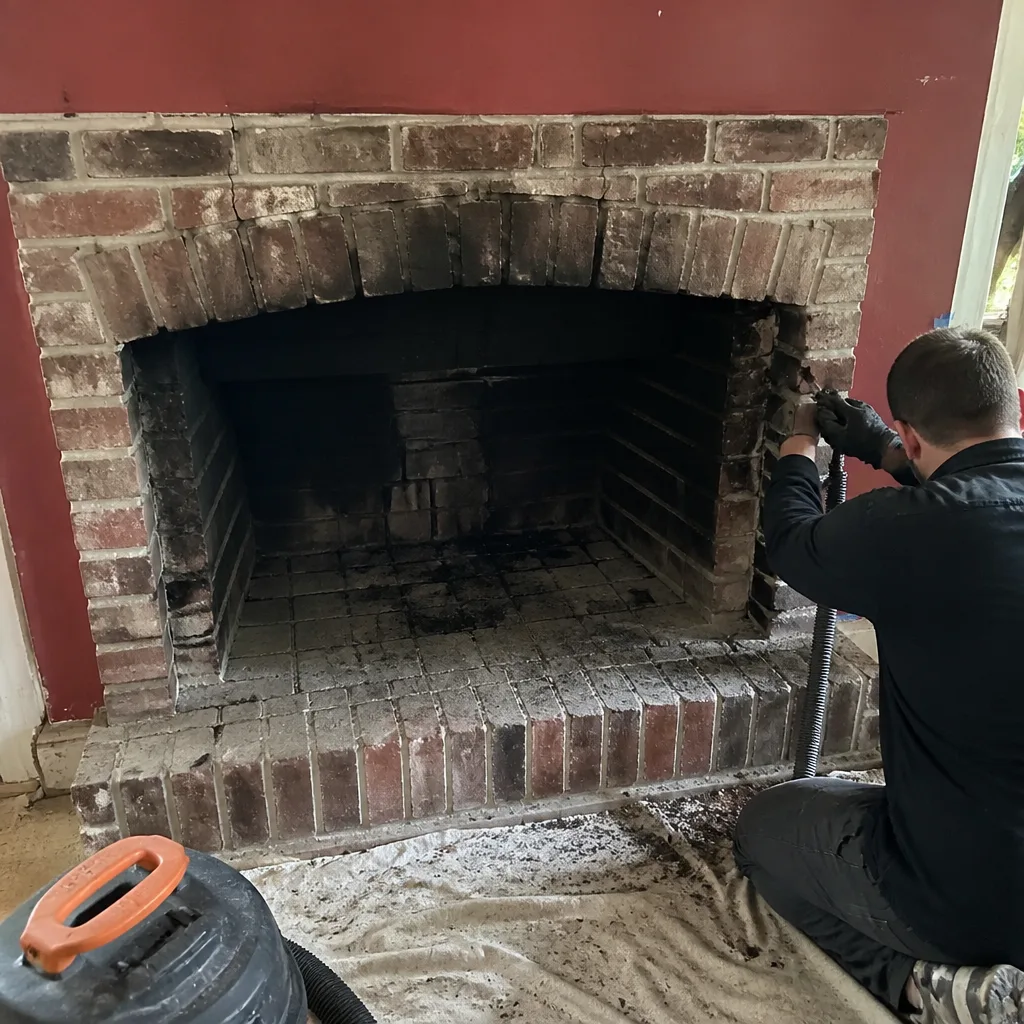
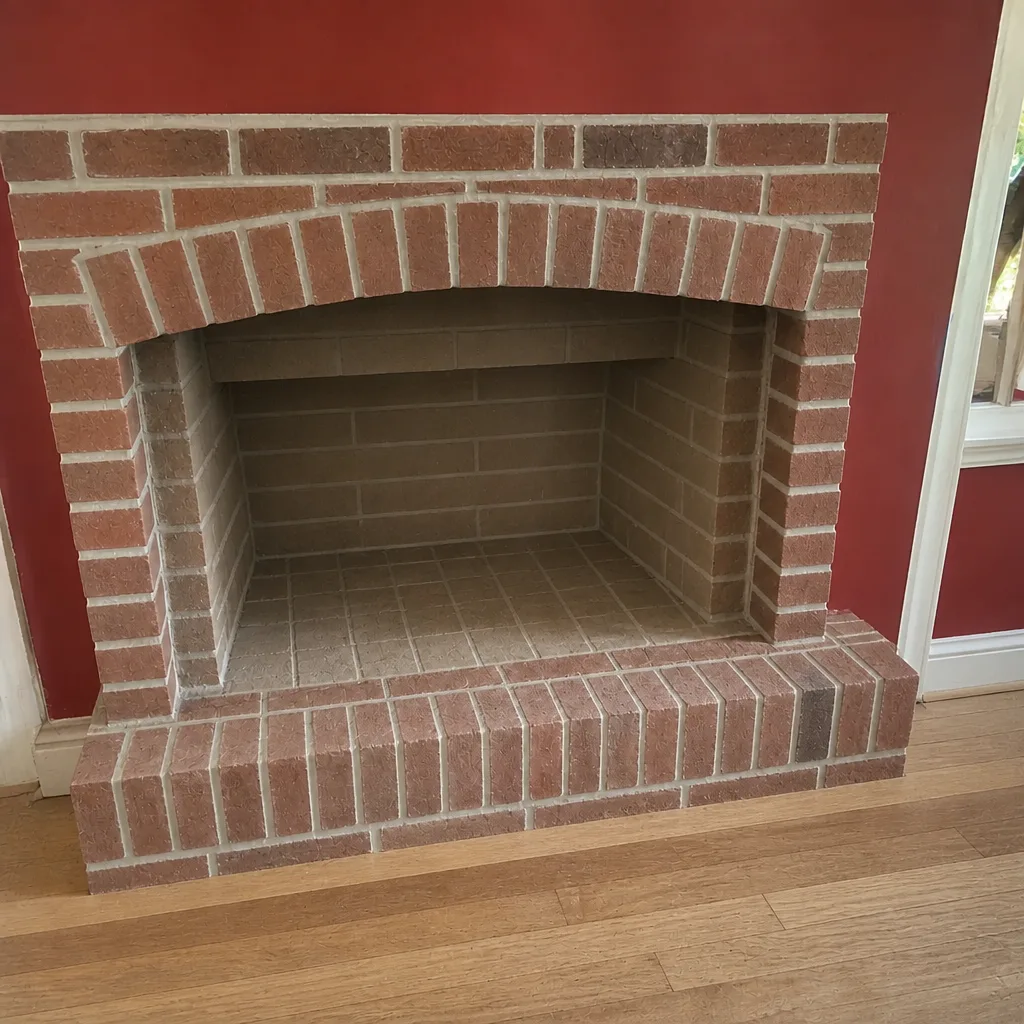
See the difference
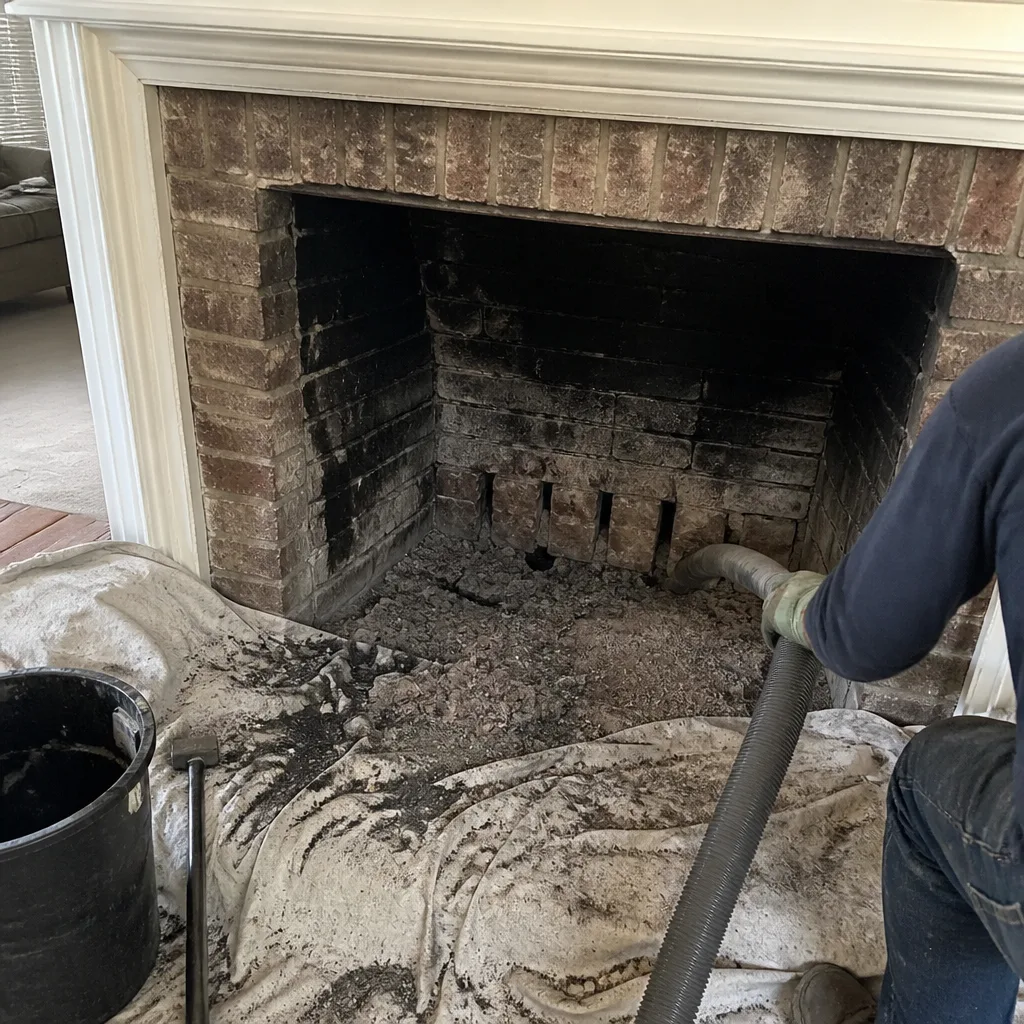 Before
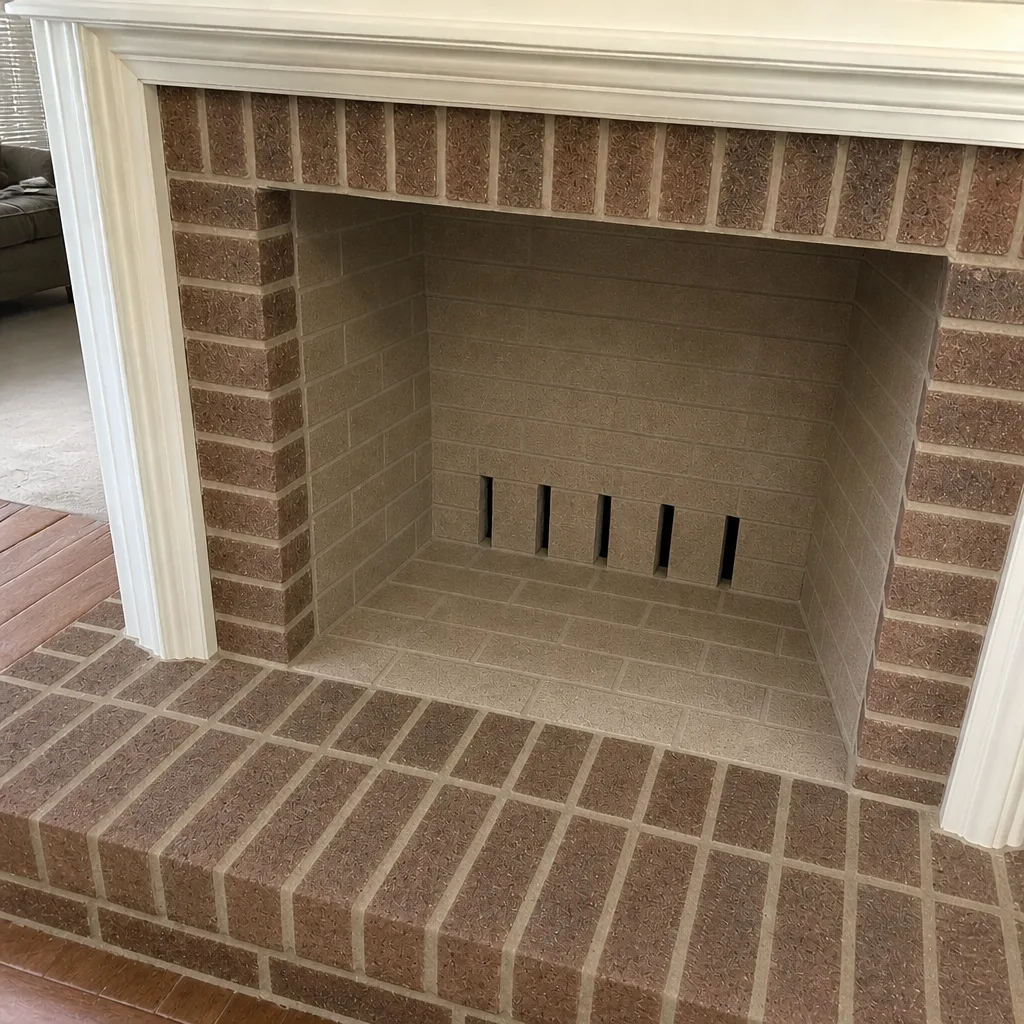 After
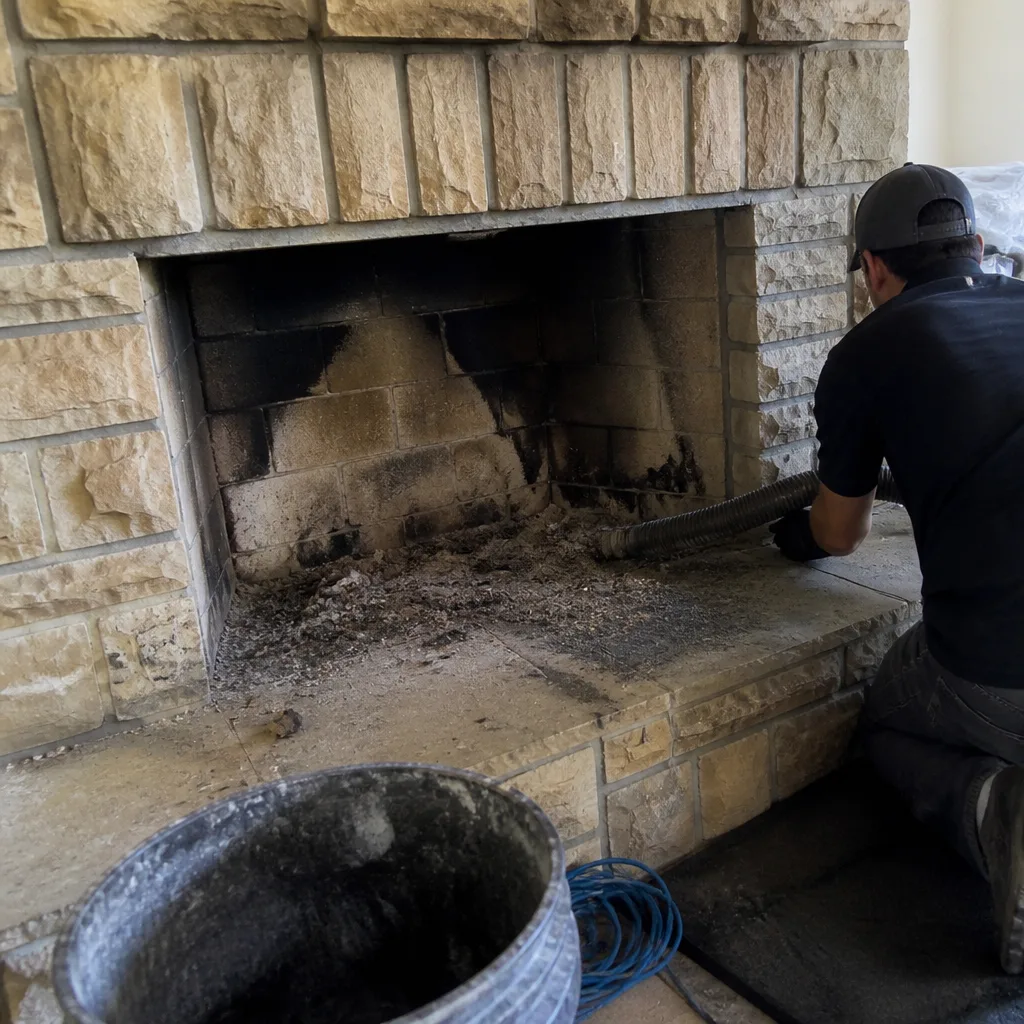 Before
 After
 Before
 After
When to Call a Professional
Call a professional chimney service in any of these situations: after any chimney fire, even a suspected one; when your CO detector reads high or a family member has unexplained CO-type symptoms; when smoke backs into the room or the fireplace drafts poorly; when you see creosote, water stains, loose mortar, or a cracked crown; before the first cold snap if you haven’t had the flue inspected this year; and anytime you’ve added a wood stove or insert to an existing chimney. These are the moments where a proper inspection and the right repair matter most. Valor Chimney Cleaning offers free estimates in South Fulton – call (888) 268-0915. We answer 24/7. Fast dispatch from 7am to 7pm, Sunday through Friday.
Frequently Asked Questions
Close the damper, get everyone out of the house, and call 911. Do not pour water down the flue, and do not try to fight the fire yourself. The first priority is getting people out, and the fire department will confirm the structure is safe before you go back in.
Look for the sounds, the smell, and what’s coming out of the top of the chimney. A rumble or train-like roar inside the flue, a sharp hot smell, dense smoke or sparks at the chimney top, and a shuddering stovepipe all point to a chimney fire – not just a hot box. A slow-burning fire can give almost none of these signs, which is why an inspection is the only reliable check. Call (888) 268-0915 for an exact quote – estimates are free.
Yes. A Level 2 inspection is required after any chimney fire before you use the fireplace again. It includes a camera inspection of the flue and a look at hidden spaces that a basic visual check can’t reach. Skipping it means burning in a flue you haven’t confirmed is safe. Call (888) 268-0915 to book an inspection.
Chimneys should be inspected annually and swept whenever there’s enough creosote buildup to warrant it. A home that burns frequently may need sweeping more often than one that burns a few times a year. The annual inspection is what tells you which applies to your flue. Call (888) 268-0915 for an exact quote – estimates are free.
It needs the inspection date, the appliance and flue details, the documented condition of the liner and masonry with photos, the observed cause of damage, and the recommended repair with a written estimate. A report without photos and component detail is harder for an adjuster to approve. Call (888) 268-0915 to book a documented inspection.
A damaged or blocked flue that’s used again can lead to a second chimney fire, a carbon monoxide event, or a spread of fire into framing. It doesn’t fix itself with another season of burning. The earlier an inspection catches the problem, the more options you have for repair. Call (888) 268-0915 for an exact quote – estimates are free.
The Bottom Line
Chimney emergencies are predictable, and that’s the good news. Creosote builds, damage accumulates, and the warning signs are there long before the flame or the CO event. The plan for South Fulton homeowners is the same each year: book an inspection before the first cold snap, get the flue cleaned when it needs it, confirm the liner and masonry are sound, keep a working CO detector, and know the response order if a fire starts – get out, close the damper, call 911, do not use water. After any fire, a Level 2 inspection and a written, photo-backed report are what protect your family and your insurance claim. A clean, inspected chimney is a safe one, and the best time to make it safe is before you need it.
Valor Chimney Cleaning handles sweeping, inspection, and repair as one company, with professional-grade materials from brands chimney specialists rely on. If you have any question about your flue, call (888) 268-0915 for a free estimate. We answer 24/7. Fast dispatch from 7am to 7pm, Sunday through Friday. You can also read more about Valor Chimney Cleaning and our work across South Fulton.
Written by the team at Valor Chimney Cleaning.