
Last updated November 16, 2026
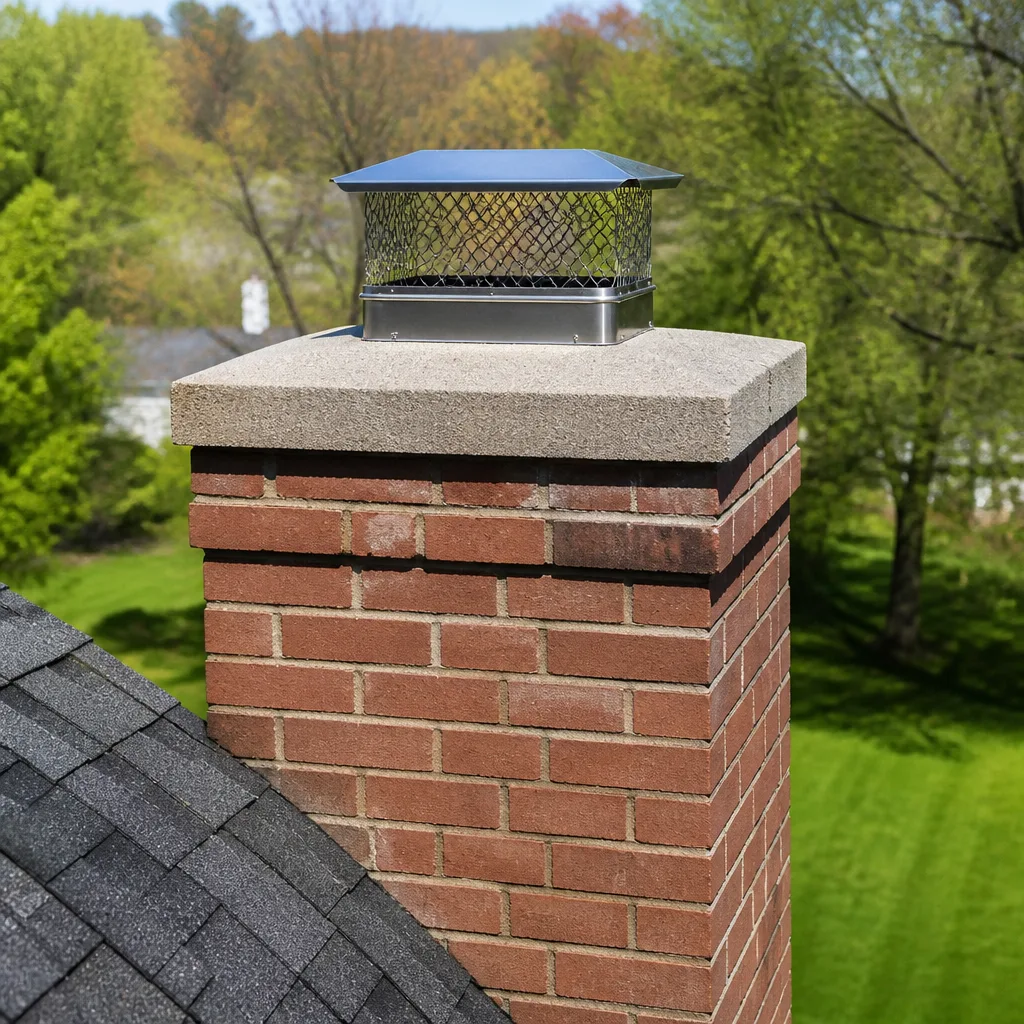 Sweep & inspection
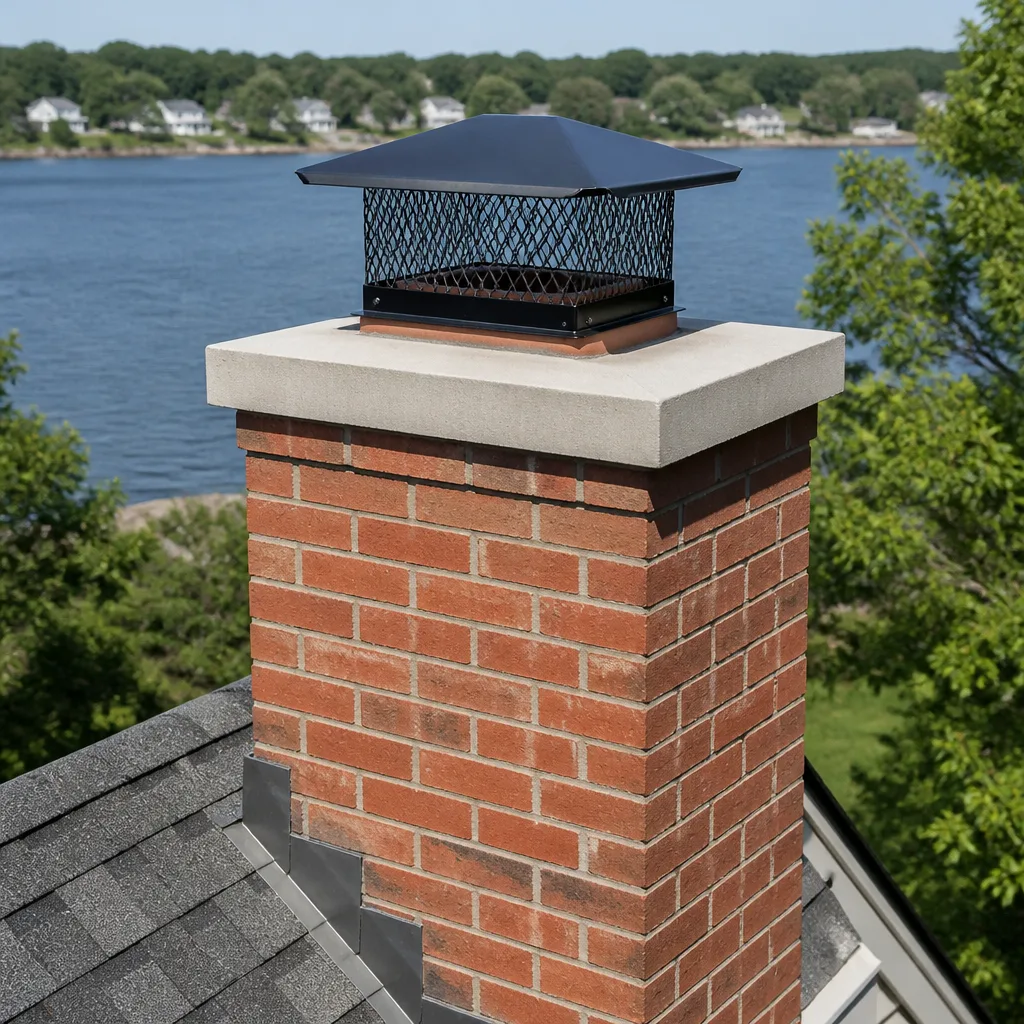 Caps & crowns
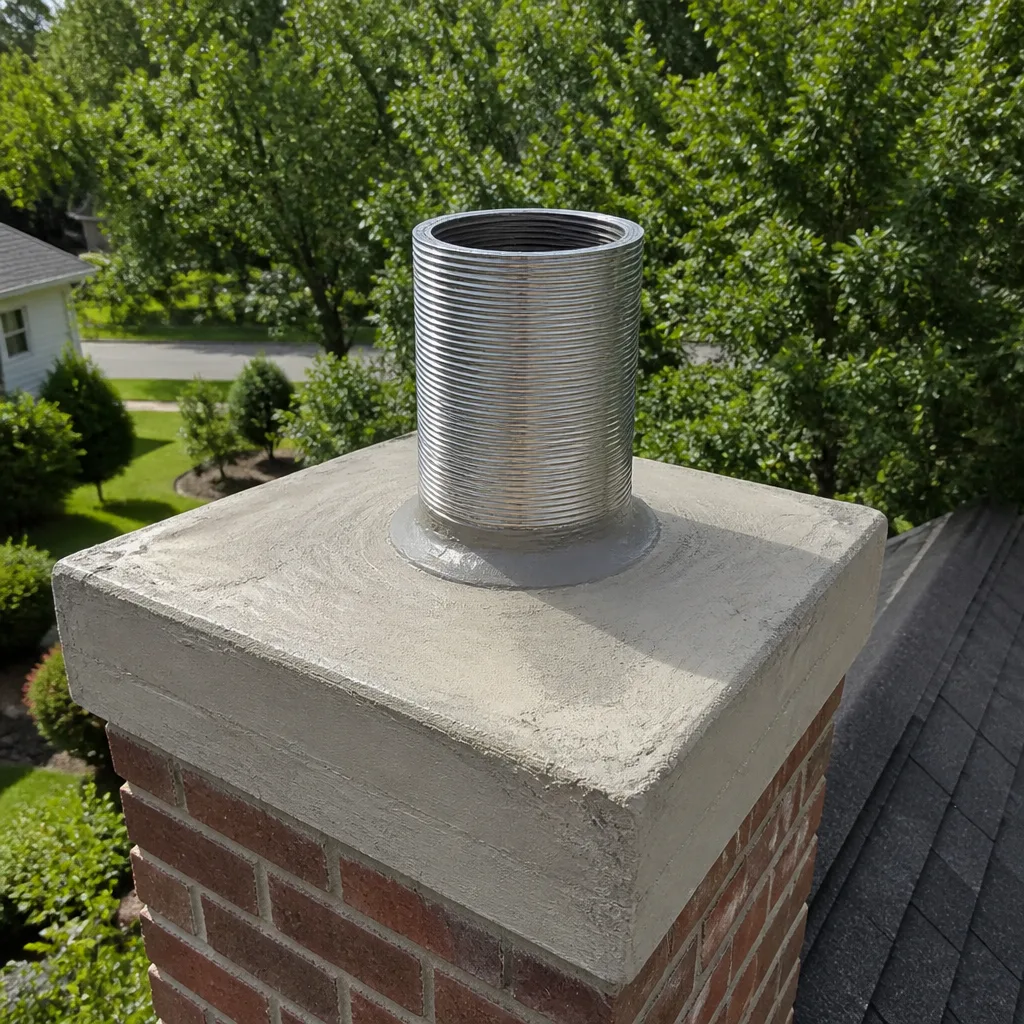 Flue relining
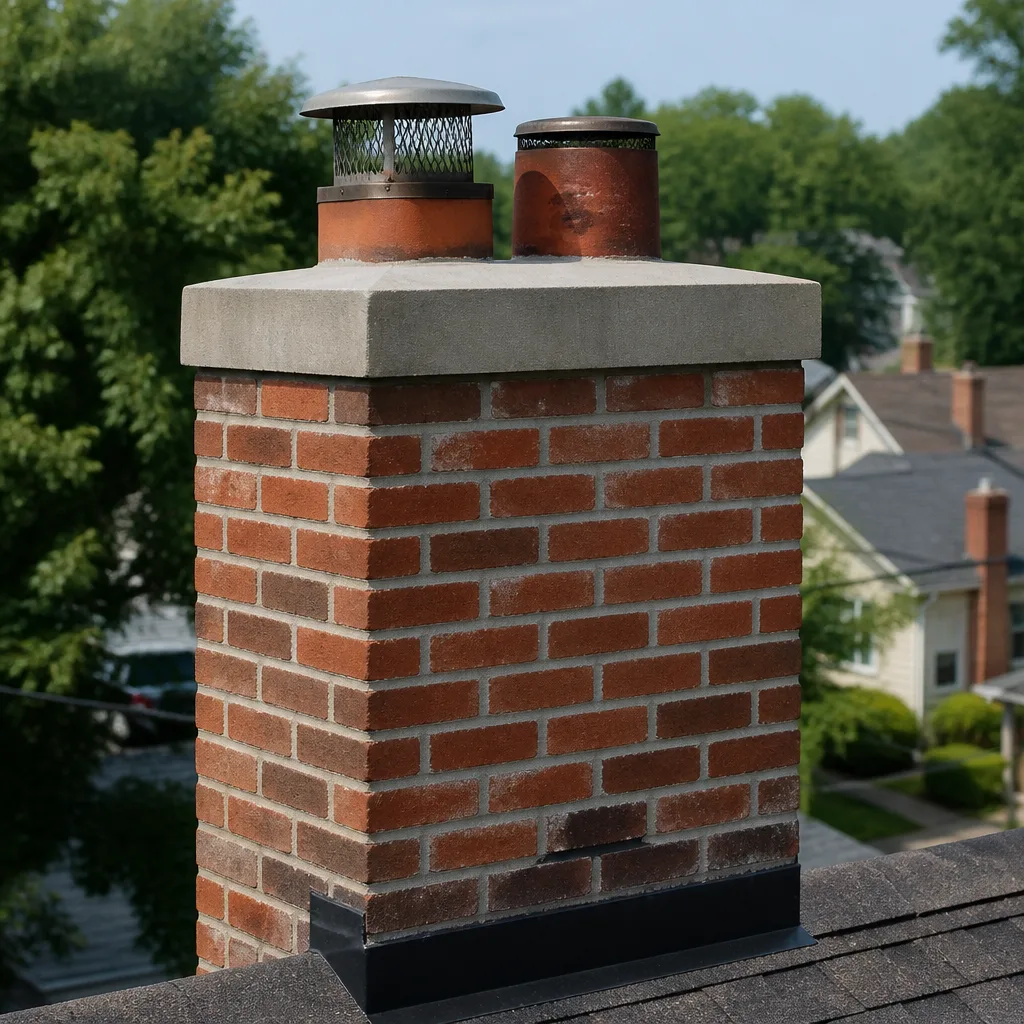 Masonry repair
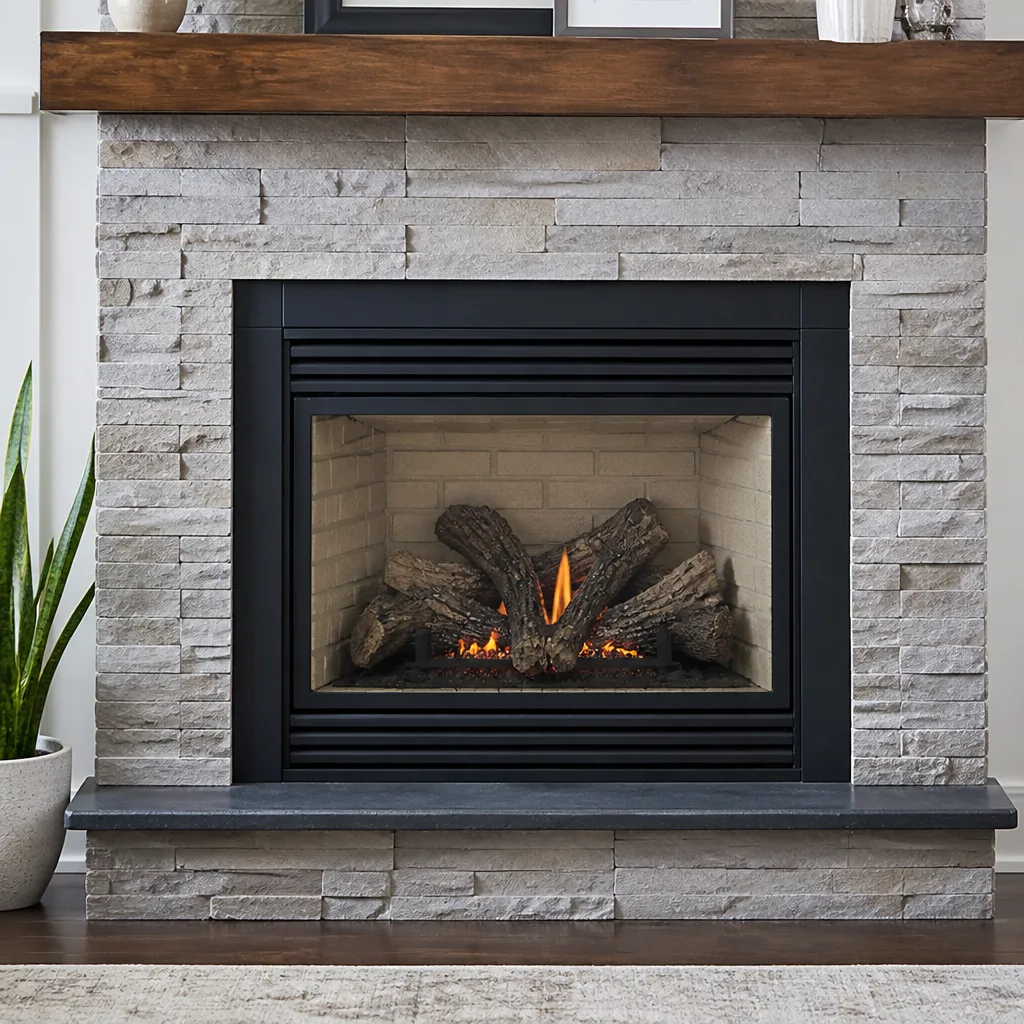 Gas fireplace service
Level 1 sweep and inspection to the NFPA 211 annual standard - flue, crown, cap, and flashing checked and photographed
Chimney sweep logs do not sweep chimneys. They loosen some creosote - which then falls where a brush and vacuum still have to collect it.
Chimney Sweep Maintenance Checklist for South Fulton Homeowners
The standard “annual sweep” rule was written for wood-burning fireplaces used regularly. If that’s not your situation, you’re either over-spending or under-maintaining. A gas-log set that runs a few evenings a month and a wood stove burning through a cord of hardwood every winter need completely different attention, on different schedules, with different things worth checking. South Fulton sits in a climate that’s hard on masonry – humid summers, clay-heavy soil, freeze cycles that work mortar joints loose – and the exterior side of your chimney matters as much as the firebox. This guide builds a task-by-task framework around your actual system, fuel type, and location, not a generic seasonal checklist you’ll forget by February.
Quick Answer
A chimney maintenance checklist for South Fulton should cover three tracks: an annual inspection and sweep sized to how much you actually burn, a separate set of exterior checks for masonry, crown, and flashing given the region’s humidity and clay soil, and an event-based trigger list that overrides the annual schedule when something changes. Wood-burning systems need annual sweeping; gas-log systems need annual inspection but usually far less frequent sweeping. Homeowners can safely observe damper function, odors, and efflorescence themselves, but flue condition, liner integrity, and creosote depth require professional tools.
Styles & brands we work with
- Sweep & inspection
- Caps & crowns
- Flue relining
- Masonry repair
- Gas fireplace service
Table of Contents
- Why a Generic Checklist Fails South Fulton Homeowners
- Checklist A: Wood-Burning Fireplaces and Inserts
- Checklist B: Gas-Log and Gas-Insert Systems
- Checklist C: Dual-Fuel and Wood Stove Setups
- South Fulton Exterior Checks: Humidity, Clay Soil, and Masonry
- What You Can Safely Check vs. What Requires a Pro
- How to Log Maintenance History for Insurance and Resale
- Trigger Events That Override the Annual Schedule
- Common Mistakes to Avoid
- When to Call a Professional
- Frequently Asked Questions
- The Bottom Line
Why a Generic Checklist Fails South Fulton Homeowners
The national advice you’ll find everywhere says “sweep once a year.” That rule came from an era when most homes had a single wood-burning fireplace and most people burned wood through the winter. Neither is true anymore. A house with a decorative gas-log set that runs an hour at a time, a few times a month, produces almost no creosote – it produces condensation and moisture instead. Meanwhile a home that burns wood as a supplement to the furnace might need a sweep mid-season, not once a year.
In our experience servicing homes across South Fulton, the systems we see split into three rough categories, and each has its own maintenance logic:
- Volume-burning wood setups – fireplaces or inserts used several nights a week through the winter. High creosote production, needs real annual sweeping.
- Occasional-use wood setups – the fireplace comes out for holidays and cold snaps. Lower creosote load but real inspection need, because a chimney that sits idle also collects animal nests, deteriorating mortar, and moisture.
- Gas systems – logs, inserts, or vented gas fireplaces. Almost no soot, but vent condition, combustion, and moisture are the concerns.
Then there’s the local piece most checklists ignore: South Fulton’s climate. Summers here run humid and long, and the soils around much of the area hold water through the wet season. That combination is hard on brick, mortar, and the crown that caps the whole assembly. A fireplace can be spotless on the inside and still be failing at the top, so your checklist has to work on both sides of the flue.
Checklist A: Wood-Burning Fireplaces and Inserts
Wood-burning systems are the clearest case for annual servicing, but “annual” only works if it matches your burn rate. A firebox that hosts two cords of seasoned hardwood a winter builds meaningful creosote by spring. One that hosts a few decorative fires a year does not, though it still needs inspection for everything that accumulates while it’s idle.
Your wood-burning checklist, in order:
- Creosote check before each heating season. Creosote depth and texture – the difference between flaky soot and glazed, tar-like buildup – is a professional judgment. Glazed creosote is the kind that feeds chimney fires, and it won’t come off with a brush alone.
- Annual sweep sized to use. Heavy-use fireboxes get swept annually; light-use fireboxes still get inspected annually, and swept when the technician finds buildup. Don’t skip the inspection just because you skipped the fire.
- Damper operation. You can open and close this yourself. It should move without binding and should seat flat when closed. A damper that’s stuck open wastes heat; one that won’t open fully is a smoke problem.
- Firebox and grate condition. Look for crumbling mortar in the firebox joints and cracks in the back wall bricks. Small hairline cracks spread with heat cycling.
- Cap and spark screen. The cap keeps rain, birds, and squirrels out. A missing or bent cap is one of the most common causes of a water intrusion you can’t find from inside.
- Chimney exterior. Covered separately below, but do it every year in the same session.
- Wood storage discipline. Seasoned wood only, stored outside and away from the structure. Green wood is the biggest driver of creosote buildup there is.
Inserts add a step: the surround, the blower, and the connector to the flue liner. Blowers that haven’t been cleaned in a few years collect dust that smells for the first hour of every fire. When a liner or connector is damaged, that’s the kind of thing a professional-grade relining product like DuraFlex stainless steel liner is made to solve, not a patch.
Checklist B: Gas-Log and Gas-Insert Systems
Gas systems don’t build creosote the way wood does, so the annual sweep rule doesn’t apply the same way. What they do build is moisture. A vented gas-log set produces water vapor as a byproduct of combustion, and over a season that vapor condenses on a cool flue, especially in a humid South Fulton climate. That’s why a gas chimney needs annual inspection even when it doesn’t need sweeping.
Your gas-log checklist:
- Annual inspection. Vent condition, termination, and any sign of moisture damage. Vent cleanliness matters, but the bigger question is whether the vent is doing its job.
- Log and ember condition. Gas logs deteriorate over time. Ceramic logs that have cracked or crumbled, and ember wool that’s disappeared, change how the gas burns and should be replaced with the correct replacement set. A local chimney professional who keeps professional-grade brands on hand – Famco and Gelco among them – can source a compatible set rather than improvising.
- Behavior of the flame. A healthy flame should be blue at the base with yellow tips. A yellow, lifting, or sooty flame is a signal to stop using the fireplace and get it looked at. Call a professional; don’t try to adjust the burner yourself.
- Carbon monoxide awareness. A functioning carbon monoxide alarm near the living area is a baseline safety item for any home with a gas appliance, and a chimney that’s venting improperly is exactly the scenario it’s there for.
- Damper clamp or vent-free setup. Know whether your damper is clamped open and why. A homeowner who doesn’t know whether their fireplace is vented or vent-free is being asked to trust a setup they can’t verify.
- Smoke smell or moisture marks. Neither has a place in a gas system. Either is a signal to schedule an inspection.
Gas systems can be deceptive. There’s no soot to look at, no obvious sign of trouble, so maintenance gets dropped. In our experience, a gas chimney that hasn’t been inspected in several years is the one most likely to surprise its owner with a vent or moisture problem.
Checklist C: Dual-Fuel and Wood Stove Setups
Dual-fuel setups – a wood-burning insert with a gas starter, or a home with both a wood fireplace and a gas appliance on the same chimney structure – need both checklist tracks. That’s the situation where an annual schedule compresses, because you’re maintaining two systems with one due date.
Wood stove owners face a separate set of concerns. A wood stove is tuned for efficiency, which means it runs hotter and produces different creosote patterns than an open fireplace. Its connector pipe and its flue are the parts to watch, and a low-burn-rate stove – the kind run damped down overnight – creates the glazed creosote that matters most.
The dual-fuel and wood stove checklist:
- Annual inspection of every appliance on the chimney. A chimney shared by two appliances gets the stricter of the two schedules.
- Connector pipe check. On a wood stove, the pipe between stove and chimney is often where the first problems show. Joints should be fastened, seams facing the right direction, and the pipe should be clear.
- Flue liner condition. A firebox and a stove both need a sound liner. Cracked clay tile or a deteriorated liner is the situation where a HeatShield ceramic resurfacing or a full DuraFlex reline gets evaluated, based on what the inspection actually shows.
- Clearance to combustibles. Clearance from a wood stove to the wall, floor, and furniture matters. If you’ve added a wood mantel or furnishings closer over the years, mention it to whoever inspects the stove. Clearance shouldn’t be your own judgment call.
- Draft and backdraft. A dual-fuel setup can backdraft if both appliances are in play, or if the house is running tight. That’s one of the trigger events covered later.
- Annual carbon monoxide alarm check. Simple, and you should verify the alarm works on every appliance setup.
The value of a single provider here is real. When inspection, sweeping, and repair all happen under one roof, a stove issue doesn’t become a scheduling problem, and the products that go into the repair are the professional-grade ones the technician already trusts – Olympia Chimney and Copperfield are part of that lineup.
South Fulton Exterior Checks: Humidity, Clay Soil, and Masonry
Most checklists stop at the firebox. In South Fulton, the exterior is where chimneys actually fail. Long humid summers push moisture into brick and mortar. Clay-heavy soil shifts with wet and dry cycles, which flexes the foundation and the chimney base. And winter freeze cycles catch any moisture trapped in the brick, expand, and pop the surface apart. The result is a chimney that’s perfect inside and failing outside.
What to check on the exterior, season by season:
- Mortar joints. Look for joints that are recessed, cracked, or crumbling. Raking a finger across a joint shouldn’t produce a shower of sand. Deteriorated mortar lets water into the brick, and in South Fulton that’s how a chimney starts its slow decline. Repointing with the correct mortar matters more than it sounds; the wrong mix can be worse than the original.
- Crown condition. The concrete cap on top of the chimney should slope away from the flue and be intact. A cracked crown is the single most common exterior cause of interior water damage. Small cracks can often be sealed; a crown that’s spalling or separated needs rebuilding. This is also where HeatShield’s crown repair products come into play as a professional-grade option.
- Flashing. The metal that seals the chimney-to-roof joint. Look for lifted, rusted, or separated flashing after heavy rain. A flashing leak doesn’t always show as a stain in the firebox; it can show up on a ceiling somewhere else entirely.
- Brick faces. Efflorescence – that white, chalky staining on brick – is a sign moisture is moving through the masonry. It’s not cosmetic. If you see it, the next question is where the water is coming from.
- Vegetation and debris. Vines, moss, and leaf debris on the crown hold moisture against the masonry. Tree limbs near the chimney should be trimmed back.
An annual exterior walkaround, ideally after the wet season, is a task most homeowners can do themselves. Photograph anything that looks off. Those photos are useful for both a professional and, later, an insurance claim.
What You Can Safely Check vs. What Requires a Pro
Chimney maintenance is one of those categories where the line between “monitor this yourself” and “someone qualified needs to look at it” matters for safety. Knowing where that line is will keep you from either over-calling or under-calling.
Homeowners can safely observe:
- Damper function. Open, close, check for binding, check it seats flat.
- Smoke chamber odors. A persistent smoky or creosote smell, especially in humid weather or after a long idle period, means the flue needs attention. Sniff and note, don’t open anything.
- Efflorescence on brick. Visible chalky staining on exterior brick is a moisture signal.
- Visible cracks in the firebox. Look, note, photograph.
- Crown and cap from a distance. Binoculars are fine. Climbing a roof is not something we recommend.
- Smoke behavior at the fireplace opening. Smoke rolling into the room instead of up the flue is a signal to stop using the fireplace and call for an inspection.
What requires professional tools and training:
- Flue interior condition. Requires a camera or a trained eye with the right tools. There is no safe way for a homeowner to look up a flue.
- Creosote depth and texture. A professional judgment that directly determines whether the chimney is safe to use.
- Liner integrity. The liner is the single most important safety component, and it’s also the one homeowners cannot see. A visual assessment of flue condition is part of every cleaning we do.
- Crown and masonry repair decisions. Whether a crown can be sealed or needs rebuilding, and where the water is actually entering, is a diagnosis that requires being on the roof.
- Anything involving a firebox, flue, or connector repair. High-temperature materials and correct clearances matter. This is not a handyman job.
- Chimney fire residue. A chimney that has had a fire needs a full inspection before it’s used again, no matter how fine it looks.
The simplest rule: look at what you can see without climbing or opening anything, and let a pro handle the rest. Our chimney sweep visits include the visual flue assessment precisely because homeowners shouldn’t be expected to judge what they can’t see.
How to Log Maintenance History for Insurance and Resale
A maintenance log is one of those things nobody keeps until they need it. When a homeowner files an insurance claim after a chimney fire or water event, or sells a house and gets asked “when was the chimney last inspected?”, the log is what separates “somebody looked at it at some point” from a documented, credible maintenance history. It takes minutes a year to maintain and can save real trouble later.
What to log:
- Date of each inspection or sweep, and who performed it.
- Findings, in plain language: creosote level if noted, cracks, moisture, damage.
- Work performed, with products named where you can. If a HeatShield repair or a DuraFlex reline was installed, note it. When a future inspector sees the product, the log ties the installation to a date.
- Photographs. Before-and-after photos of anything repaired. Photos of the crown and flashing on a rainy day are useful evidence of moisture that’s not from the inside.
- Receipts or the written estimate. The estimate states what was recommended and what was declined.
Where to keep it: a folder in the house, plus a copy in the cloud. When selling, leave a printed copy with the home’s documentation. A buyer’s inspector will note the age of the liner, and a log showing a recent reline with UL-listed stainless steel answers a lot of questions the seller would otherwise have to handle verbally. An inspector will also appreciate photos of the exterior work, since that’s the part a standard home inspection doesn’t fully cover.
If the log is thin, start it now with the next service. A history doesn’t need to go back a decade to be useful.
Trigger Events That Override the Annual Schedule
The annual schedule is a baseline, not a rule. Certain events mean you call for an inspection right away, regardless of when the last one was. These are the cases where the checklist gets overridden, and in our experience they’re what most homeowners miss.
- Smoke in the room after a power outage. A house that loses its exhaust fan pressure overnight can backdraft, pulling exhaust products back down the flue. Even after normal use resumes, get the chimney inspected. It’s also why we recommend a battery-backed carbon monoxide alarm.
- Storm debris or tree limbs near the chimney. Any limb down near the chimney, or visible debris in the cap, warrants a look. A single-session sweep-and-inspect catches what the storm left behind.
- A sudden smoke smell that wasn’t there before. Sudden smoke odor in a room with no fire lit is a signal to stop using the fireplace and schedule an inspection. It’s often a partial flue blockage, a draft change from a new appliance, or a weathered damper.
- Water stains after heavy rain. Any stain around the firebox, the ceiling, or the chimney breast after a storm means water is getting in somewhere it shouldn’t.
- A chimney fire, even a small one. A loud roar, a hot smell, or visible smoke from the top of the chimney can all indicate a fire that’s mostly gone by the time anyone notices. Once a fire happens, keep that fireplace shut off until inspected.
- A change in appliance. Replacing a wood stove, adding a gas log set, or changing the liner changes the whole system. The chimney needs a fresh inspection sized for the new appliance.
Our full-scope chimney repair service is set up for exactly these situations, which is part of why we prefer inspection, cleaning, and repair under one roof: there’s no handoff, and no waiting on a call back from a separate masonry contractor before the diagnosis turns into a plan.
Common Mistakes to Avoid
- Treating gas fireplaces as maintenance-free. A gas-log set that never builds creosote still builds moisture and can develop vent problems. South Fulton’s humid summers accelerate that, so gas systems should still get an annual inspection.
- Skipping the exterior check because the inside is clean. Fireboxes are the easy part to see. Cracked crowns, failing mortar, and flashing leaks don’t show up in the firebox until the water’s already done damage.
- Burning green or unseasoned wood. Green wood is the biggest driver of creosote buildup, and in a humid climate it doesn’t dry properly outside. Season it inside a covered stack, and burn several months of well-dried hardwood.
- Patching instead of diagnosing. Grabbing a tube of mortar to fill a crack without checking why the mortar failed means the water keeps coming in, just somewhere else. Locating the source of the moisture matters more than the patch.
- Ignoring a chimney fire. A chimney fire that goes unnoticed still damages the liner and the mortar joints. If you suspect one happened, get a full inspection before using the fireplace again.
- Not keeping a log. Without records, a future home inspection will flag the chimney as of unknown condition. That’s especially costly in South Fulton where chimney condition is easy to question and hard to prove.
- Using the wrong repair product. Chimney repair is a specialist job, not a handyman task. Contractor-grade materials in high-temperature applications aren’t the same as the ones you buy at a hardware store.
When to Call a Professional
Call a professional chimney service for any annual inspection or sweep, for any chimney fire (suspected or confirmed), for any smoke smell in a room without a fire lit, for water stains, for a crown or flashing problem, and for any liner or firebox repair. Call us when you’re not sure. And call when smoke comes back into the room, when the fireplace is burning poorly, or when the damper has started behaving differently.
Valor Chimney Cleaning offers free estimates in South Fulton. Call (888) 268-0915. We answer 24/7. Fast dispatch from 7am to 7pm, Sunday through Friday. Our technicians have up to 9 years of experience, and every estimate is written, with the price set per job. Our Valor Chimney Cleaning team works with professional-grade products rather than the cheapest one on the shelf, and we’ll tell you plainly when work can safely wait.
Frequently Asked Questions
Chimney sweeping in South Fulton typically costs $150 to $300 for a standard wood-burning fireplace, depending on the amount of creosote and how accessible the flue is. Gas systems and wood stoves may fall in that range or cost more if the inspection uncovers a repair. The written estimate sets the final price. Call (888) 268-0915 for a free estimate.
Yes, even if your fireplace gets light use. The annual inspection is the point where a trained technician looks at the flue, the liner, the joints, and the exterior in a single session, which is something homeowners can’t do themselves. An inspection can show everything is fine and work can wait, or it can catch a problem before winter. Call (888) 268-0915 with any question about whether it’s time.
Annual inspection is required; annual sweeping usually isn’t. Gas logs produce little soot compared to wood, but they produce moisture and depend on a vent that can deteriorate. In South Fulton’s humid climate, the moisture problem is the main reason gas systems still need yearly attention. Schedule an inspection before each heating season.
Efflorescence is the white, chalky staining you may see on exterior brick, and it means moisture is moving through the masonry. It’s not cosmetic; it’s a signal to find the source. Check for it on a dry day after a wet stretch, and if you find it, schedule an exterior inspection. Call (888) 268-0915 to book one.
Schedule an inspection before lighting another fire. Storm damage can leave a cracked crown, damaged flashing, or debris in the flue that isn’t visible from the ground. A single visit that covers sweep and inspection will catch it. Call (888) 268-0915 to get on the schedule.
No. The condition of the flue and the liner, which are the parts that matter most for safety, can’t be judged by looking at the fireplace. “Looks fine” often means “hasn’t been inspected.” Call (888) 268-0915 to schedule a visit that includes a visual inspection of the flue.
The Bottom Line
Chimney maintenance in South Fulton comes down to three tracks: an annual schedule sized to your fuel type, an exterior check that’s specific to this climate’s humidity and clay soil, and a trigger list that overrides everything when something changes. Wood-burning systems need the most sweeping; gas systems need inspection more than sweeping; dual-fuel and wood-stove setups need both. Homeowners can safely observe damper function, odors, and efflorescence, and no more than that. Log everything. And when in doubt, call. A free estimate is cheaper than a repair, every time.
More From Valor Chimney Cleaning
If you’re in South Fulton and want the annual visit scheduled, or you’ve found something on this checklist that needs a closer look, our team handles the full sequence – a sweep, an inspection, and any repair the inspection calls for. We use professional-grade materials, we work from what the inspection actually shows, and we tell you when work can wait. Our technicians have up to 9 years of experience, and every job starts with a written estimate so there are no surprises.
Call (888) 268-0915 for a free estimate. We answer 24/7. Fast dispatch from 7am to 7pm, Sunday through Friday.
Written by the team at Valor Chimney Cleaning.
See the difference
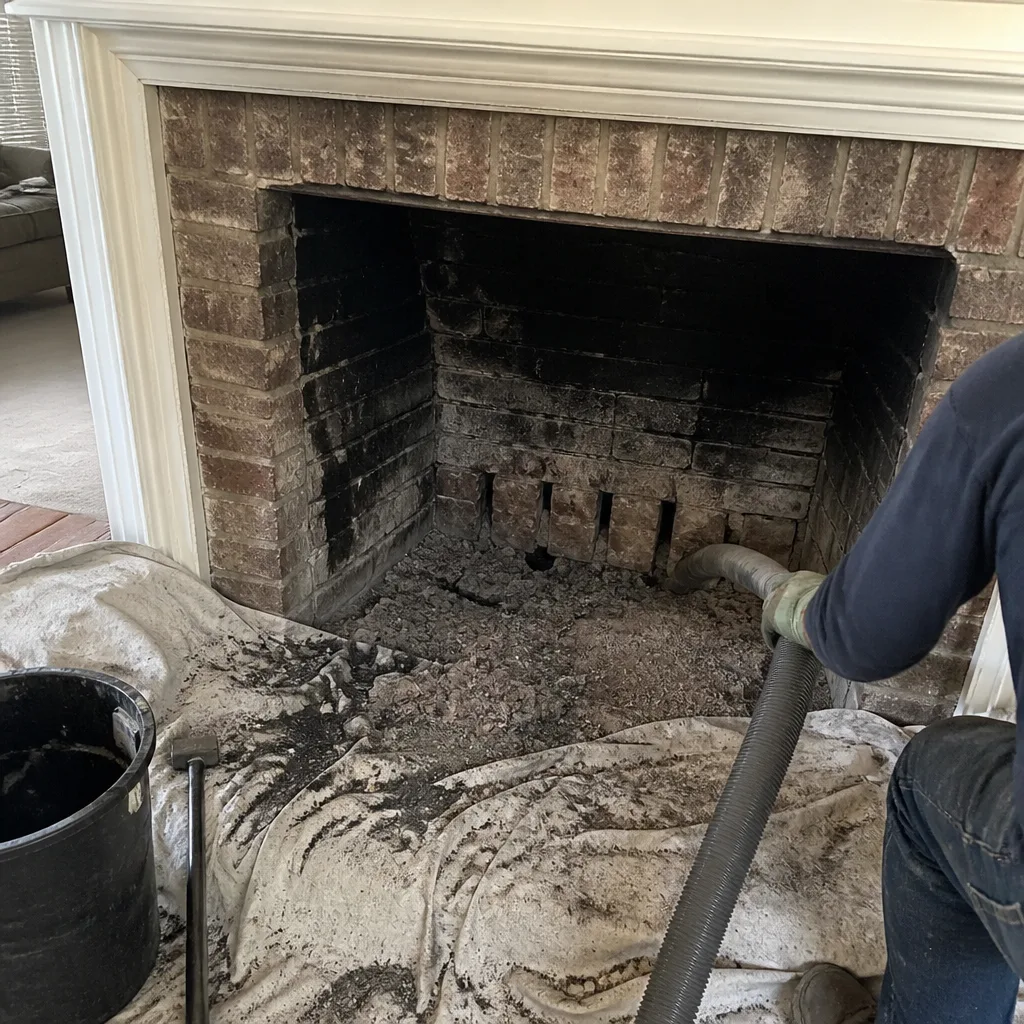 Before
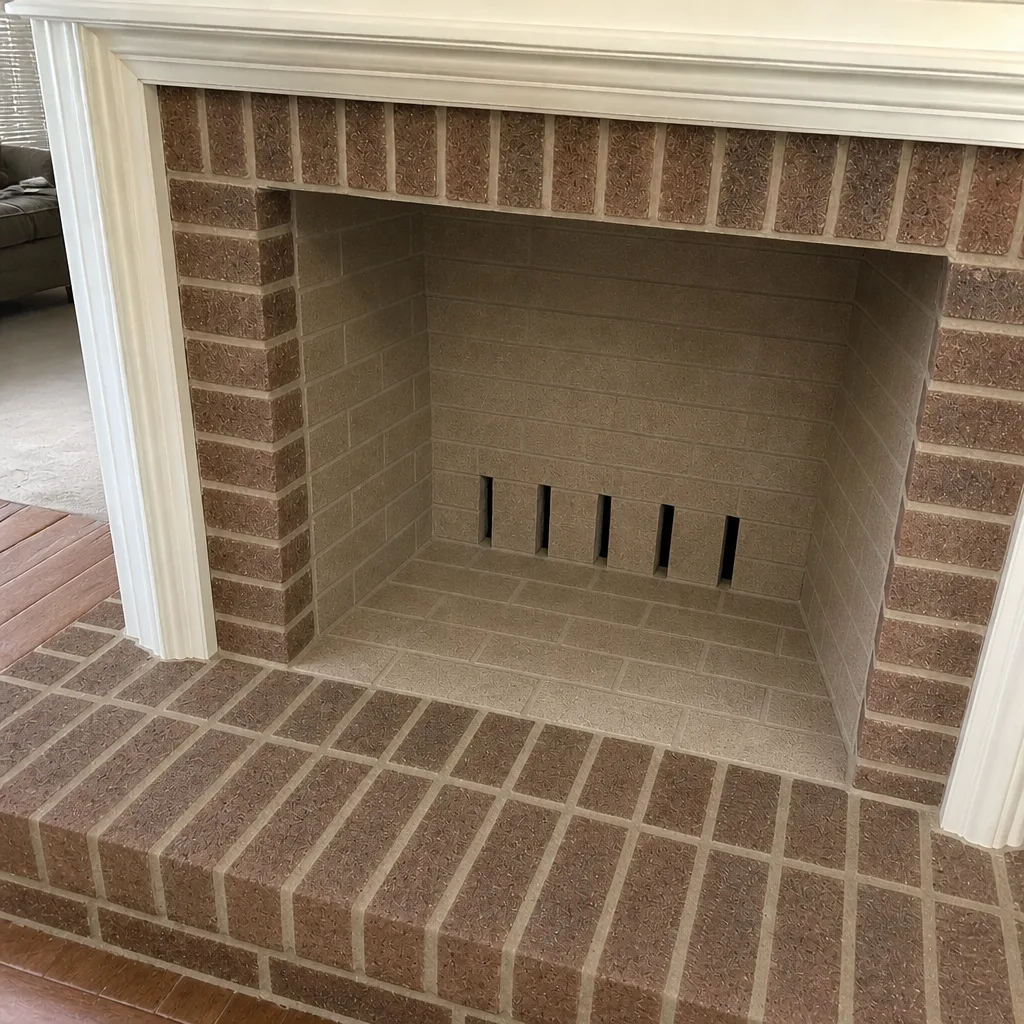 After
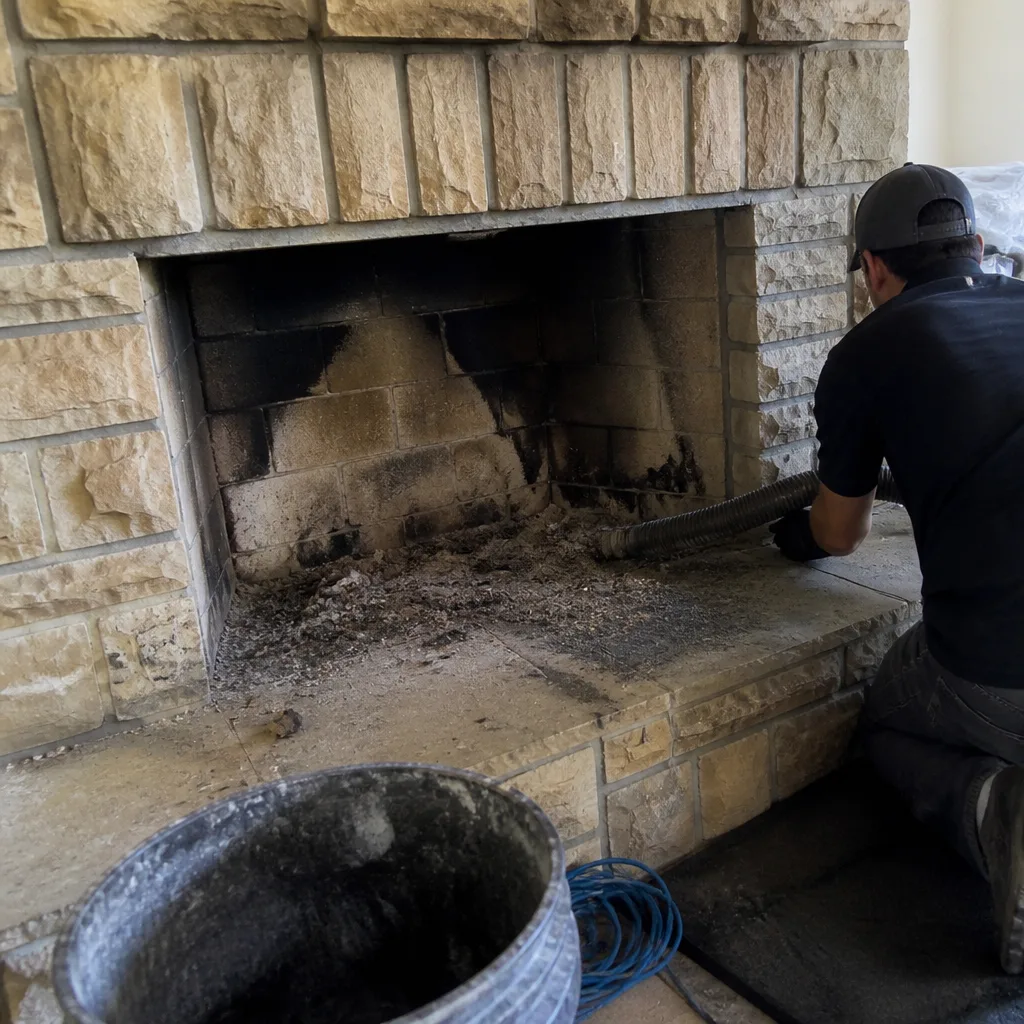 Before
 After
 Before
 After