
Last updated November 16, 2026
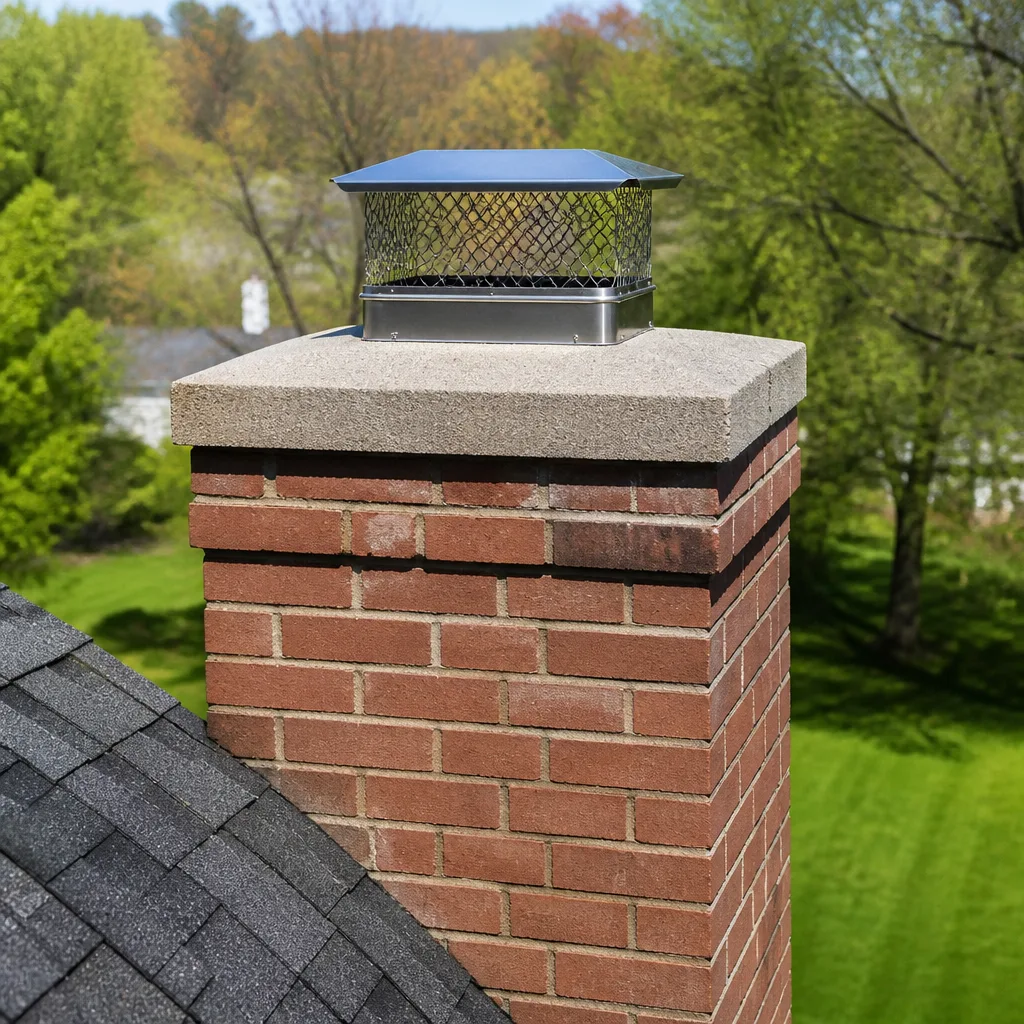 Sweep & inspection
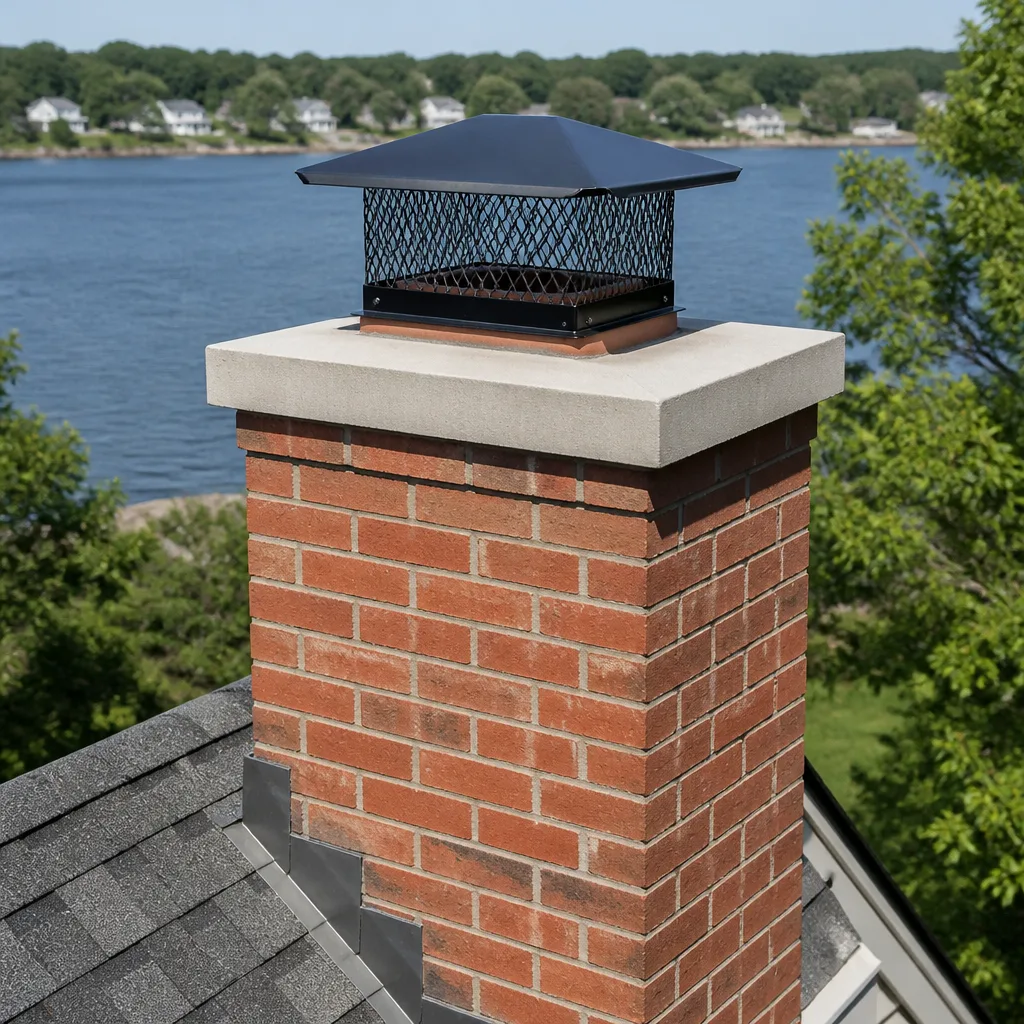 Caps & crowns
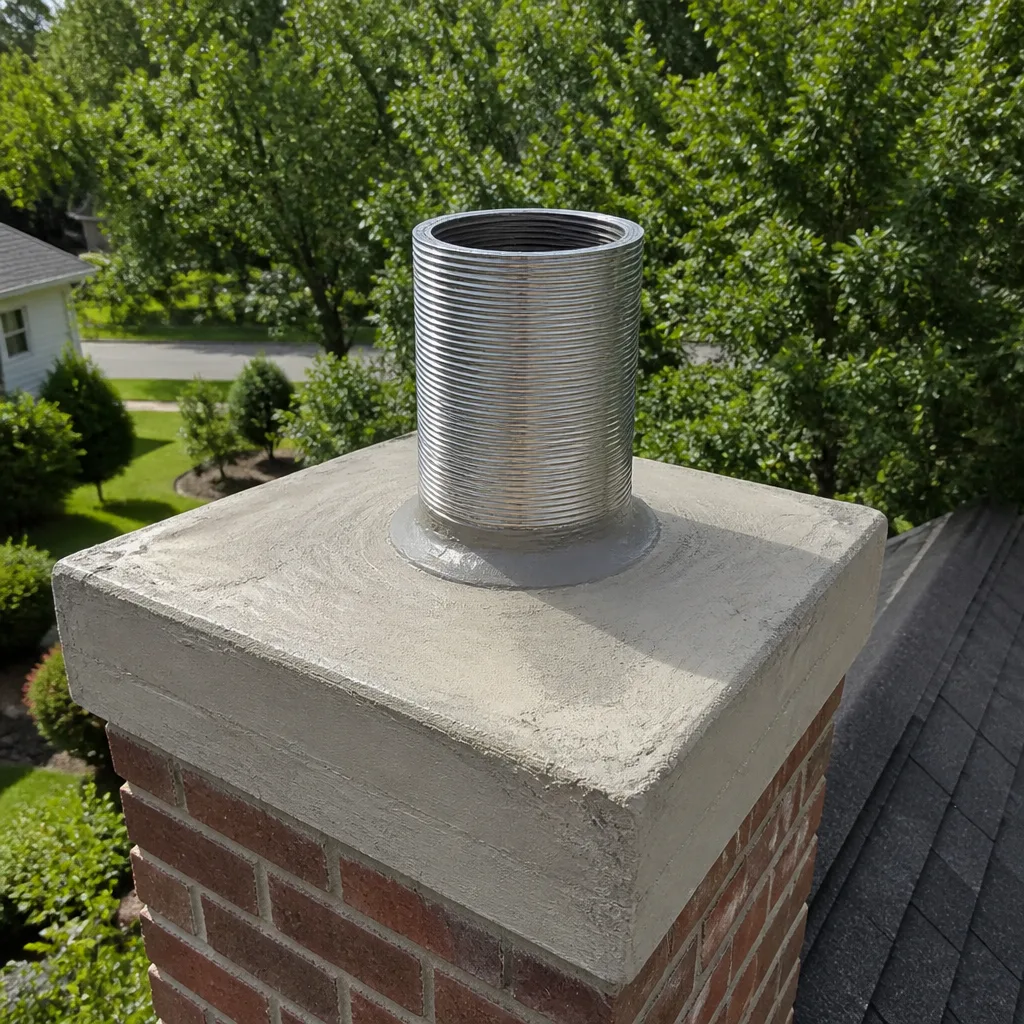 Flue relining
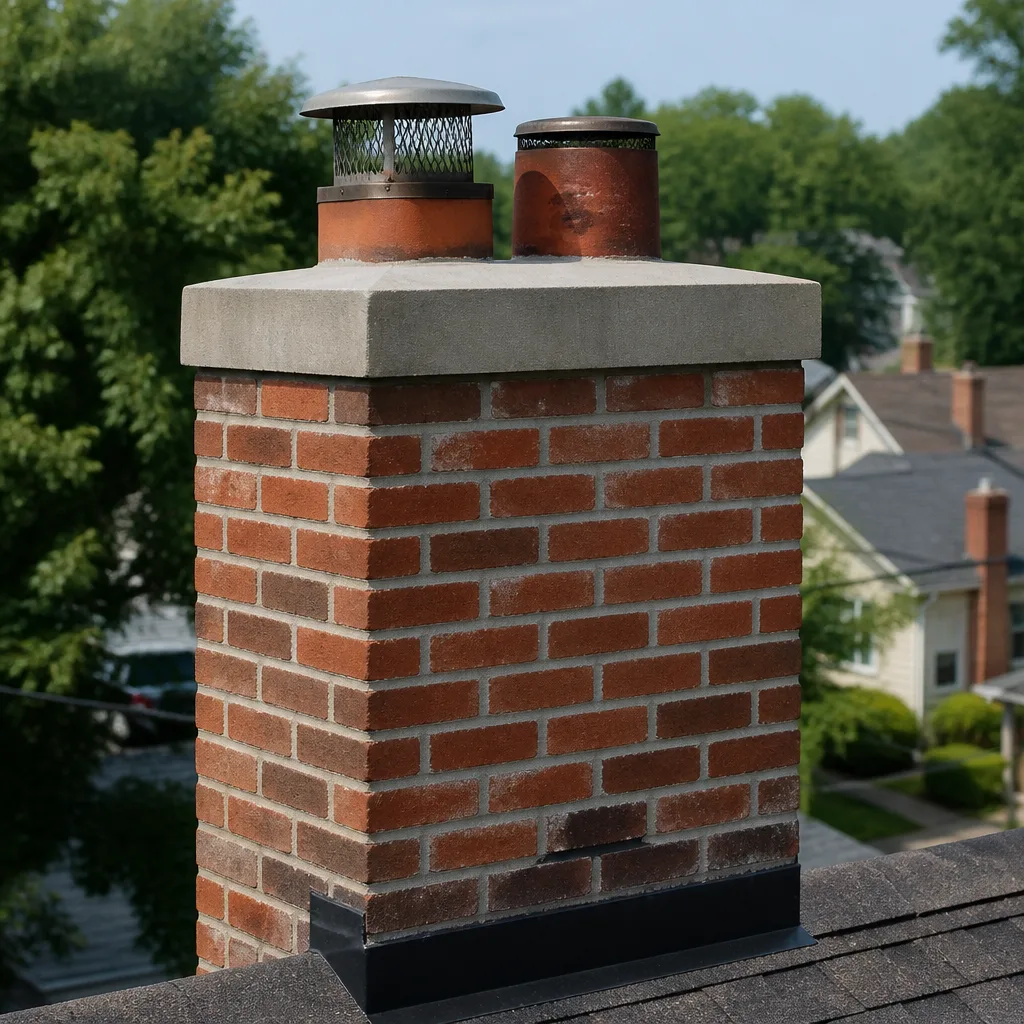 Masonry repair
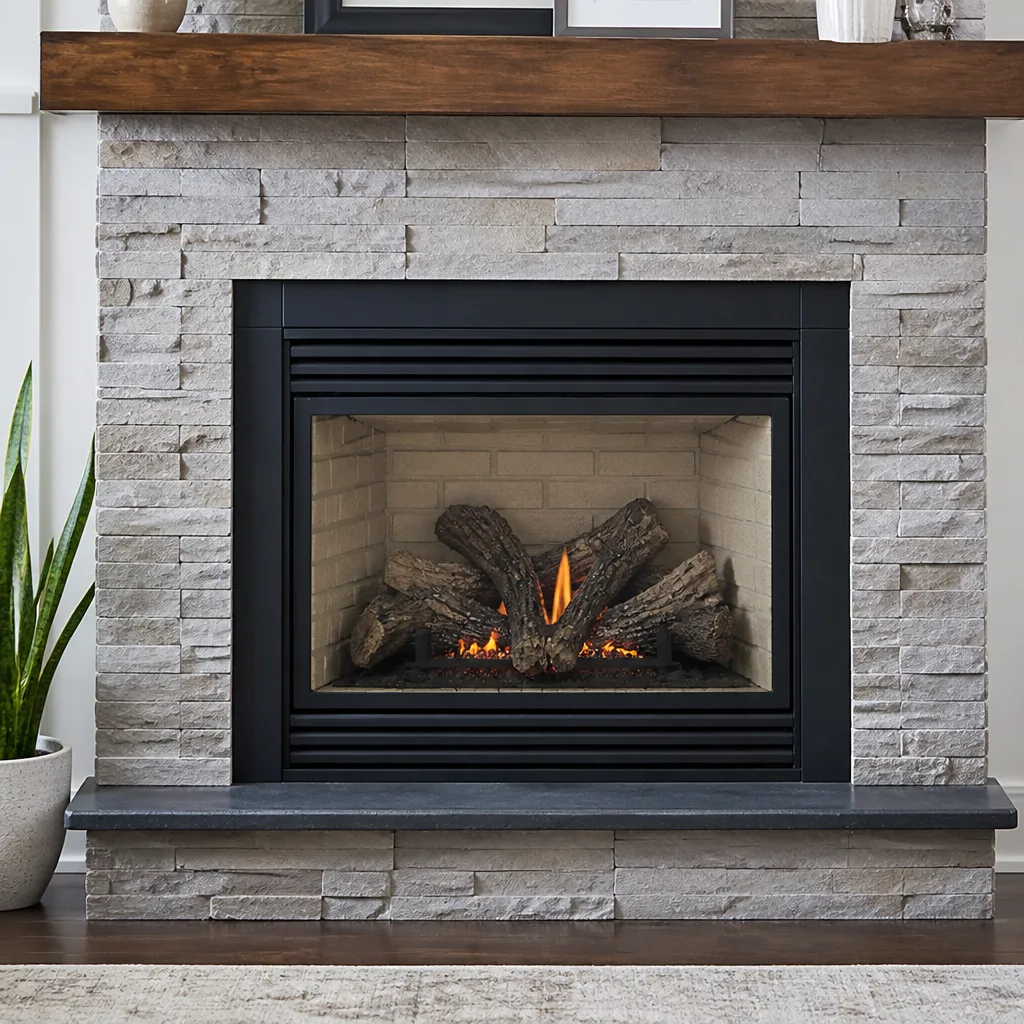 Gas fireplace service
Level 1 sweep and inspection to the NFPA 211 annual standard - flue, crown, cap, and flashing checked and photographed
Chimney sweep logs do not sweep chimneys. They loosen some creosote - which then falls where a brush and vacuum still have to collect it.
Chimney Cleaning Permits, Codes & Inspections in South Fulton, GA: What You Need to Know
A chimney relining job done without the right permits isn’t just a paperwork problem. If the flue is later linked to a fire or a carbon monoxide event, an insurer or a buyer’s inspector can treat that unpermitted work as a defect the homeowner owns. Here’s the part most people get wrong: a routine cleaning almost never needs a permit, but the repair that cleaning often uncovers usually does. Those are two different categories of work with two different sets of rules. This guide walks through what Georgia’s residential building code says about chimney work, how South Fulton handles permits in practice, which jobs cross the line from maintenance into permitted construction, and how to ask a contractor the right questions before anyone touches your flue.
Quick Answer
In South Fulton, GA, a standard chimney cleaning does not require a permit, but most chimney repair work does. Relining, crown rebuilds, firebox repair, and new appliance connections generally fall under permitted construction, and Georgia’s residential building code applies to that work regardless of whether anyone asks to see the paperwork. A code-compliant inspection report is what connects the two: it documents what was found, what was repaired, and whether the job met the standard.
Styles & brands we work with
- Sweep & inspection
- Caps & crowns
- Flue relining
- Masonry repair
- Gas fireplace service
Table of Contents
- Does chimney cleaning need a permit in South Fulton?
- What Georgia’s residential building code says about chimney work
- How South Fulton’s permit process works in practice
- Maintenance or permitted construction? The line that matters
- What a code-compliant inspection report looks like
- Why permit history matters at resale in Fulton County
- How to ask your contractor about permitting
- Common mistakes to avoid
Does Chimney Cleaning Need a Permit in South Fulton?
No. A routine chimney cleaning is maintenance, not construction, and South Fulton does not require a permit for sweeping a flue. Cleaning removes creosote, soot, and debris from an existing, unchanged chimney. Nothing is altered, nothing is added, and no part of the structure changes. It sits in the same category as having your gutters cleared or your HVAC filter replaced.
Where homeowners get confused is the inspection that comes with the cleaning. When the technician finds cracked flue tiles, a failing crown, or gaps in the firebox, the conversation shifts from maintenance to repair. That’s the moment the permit question becomes real, and it’s the moment many South Fulton homeowners discover the job they thought was a cleaning is actually a construction project.
What falls into cleaning without a permit:
- Removing creosote and soot from the flue
- Clearing blockages such as nests, leaves, or debris
- Running a camera to assess flue condition
- A visual inspection of the firebox, damper, and chimney exterior
- Removing a bird or animal nest from the flue
What usually requires a permit once it moves past cleaning:
- Relining the flue, whether full stainless reline or ceramic resurfacing
- Rebuilding or replacing the crown
- Rebuilding the firebox
- Connecting a new wood stove, insert, or other fuel-burning appliance
- Structural masonry repair, such as rebuilding the chimney above the roofline
The practical takeaway: if your technician only cleaned and inspected, no permit is involved. If they recommend repair work, ask whether it’s a permitted job before the work is scheduled. For a straight answer on which category your chimney falls into, our chimney sweep service includes a visual assessment of the flue condition during every cleaning, so you’ll know what you’re dealing with.
What Georgia’s Residential Building Code Says About Chimney Work
Georgia adopts a statewide residential building code, and that code applies to chimney construction and repair whether or not a given jurisdiction inspects every job. The code isn’t a local preference. It’s the baseline standard that insurers, home inspectors, and future buyers will measure the work against, and it addresses three things that matter for South Fulton homeowners.
Chimney repairs and relining
When a flue is relined, the new liner has to be listed and labeled for the appliance it serves and installed according to the manufacturer’s instructions. That’s why the product matters. A stainless steel flexible liner from a brand like DuraFlex carries a UL listing for the application it’s designed for, and the install instructions that come with it are part of the code requirement. A generic liner installed without documentation doesn’t meet that test, even if it looks fine from the outside.
Liner replacement and material standards
Replacement liners have to be rated for the temperature of the flue gases they’ll carry, and they have to be continuous from the appliance connection to the top of the chimney. Patching a clay tile flue with mortar is not the same as relining it. A ceramic resurfacing system like HeatShield restores a damaged clay tile flue from the inside, and it’s recognized as a restoration method when the tile is cracked but structurally sound. When the tile is too far gone, a full reline is the code-compliant answer, not a patch.
New appliance connections
Adding a wood stove, insert, or new heating appliance to an existing chimney is where the code gets specific. The appliance has to be connected to a flue sized for it, the venting has to be listed for the fuel type, and clearances to combustibles have to be maintained. This is a permitted job in nearly every jurisdiction, including South Fulton, and it’s one where a missing permit shows up later at inspection or sale.
The reference standard the trade works from for chimney inspection and maintenance is NFPA 211. Our chimney inspections are aligned with NFPA 211 standards, and that’s the framework we use when we tell a South Fulton homeowner whether a flue is safe to use, needs repair, or needs to be taken out of service until it’s fixed.
How South Fulton’s Permit Process Works in Practice
In South Fulton, chimney repair permits are handled through the city’s building department, and the process follows a predictable sequence. The specifics of forms and fees change from time to time, so the best move is always to confirm current requirements with the city before work begins. But the shape of the process is consistent, and it’s worth understanding so you know what to expect.
- Determine whether the job needs a permit. Cleaning doesn’t. Relining, crown work, firebox rebuilds, and appliance connections do. When in doubt, call the building department and describe the work. They’ll tell you which side of the line it falls on.
- The contractor pulls the permit. In practice, the licensed contractor performing the work is the one who files for the permit. A homeowner can pull a permit in some cases, but for chimney work that’s rarely the right call, because the permit holder is the party responsible for the inspection outcome.
- The scope is described on the application. The permit application describes the work: what’s being replaced, what material is going in, and which appliance the flue will serve. A vague description like “chimney repair” invites questions later.
- Work is performed to the approved scope. If the job uncovers something the permit didn’t anticipate, the scope gets amended before the work proceeds, not after.
- The inspection follows. Once the work is done, the city inspects it. For a reline, that means confirming the liner is correctly installed and properly connected. Passing inspection is what closes the permit.
The part homeowners don’t always see is step four. Chimney work often reveals more once the flue is opened up. A permit that says “reline” and a job that turns into “reline plus crown rebuild” needs the scope updated. A contractor who handles permitting routinely knows to do that. One who doesn’t handle permits at all can’t.
If you’re in South Fulton and you’re not sure whether the repair your chimney needs is a permitted job, we can help you sort that out before anything is scheduled. The first step is often a proper look at what’s actually going on inside the flue, and our chimney repair service starts with that diagnosis, not with a recommendation.
Maintenance or Permitted Construction? The Line That Matters
The clearest way to think about this is to ask one question: does the work change the chimney, or does it restore the chimney to the condition it was already in? Cleaning and minor upkeep restore. Relining, rebuilding, and connecting new appliances change.
Here’s how the work types sort out:
- Relining. Always permitted construction. A new liner is a new component in the flue, and it has to be listed, installed to manufacturer instructions, and inspected.
- Crown rebuilds. Permitted when the crown is being rebuilt or replaced. The crown is the concrete cap at the top of the chimney that sheds water away from the masonry, and rebuilding it is structural work. Repointing a small crack in an otherwise sound crown is maintenance.
- Firebox repair. Permitted when the firebox is being rebuilt, and that includes tuckpointing that goes beyond surface mortar. The firebox contains the fire, and the code treats its reconstruction as construction.
- Flue tile replacement. Permitted. Removing and replacing clay tile is a structural change to the flue.
- Ceramic resurfacing. Treated as repair work, and in most cases it’s a permitted job because it’s restoring the flue lining to a code-compliant condition. It’s the middle path between a patch and a full reline, and it’s why HeatShield exists as a category.
- Damper replacement. Often maintenance, but confirm with the city if the damper assembly is being changed rather than repaired.
- Animal guard and cap installation. Generally maintenance, since nothing structural changes.
One more thing worth knowing: South Fulton’s housing stock is a mix of newer construction and older homes, and the older chimneys are the ones where a “simple cleaning” most often turns into a permitted repair. Clay tile flues from decades past weren’t built to the standards a new liner meets today, and when they crack, resurfacing or relining is the answer. Neither is a cleaning, and neither is a job to leave unpermitted. When we work on a flue like that, we use professional-grade materials, the same brands chimney specialists rely on, and we match the product to what the flue actually needs rather than defaulting to the cheapest option.
What a Code-Compliant Inspection Report Looks Like
A code-compliant inspection report is a written record of the chimney’s condition, tied to a recognized standard, that documents what the inspector found and what it means. It’s not a verbal summary and it’s not a photo of the flue texted to you. It’s a document you can hand to an insurer, a buyer, or a future contractor and have it mean something.
NFPA 211 defines three inspection levels, and which one you get depends on what’s happening with the chimney:
- Level 1. A visual inspection of the readily accessible portions of the chimney, the firebox, and the appliance connection. This is the inspection that accompanies a routine annual cleaning, and it’s appropriate when the appliance and chimney haven’t changed and there’s no known problem.
- Level 2. Everything in Level 1, plus a closer look at accessible portions of the chimney, often with a camera. A Level 2 is the standard inspection when a property changes hands, when an appliance is replaced or added, or after a chimney fire or a seismic event. In South Fulton, this is the inspection a buyer’s agent will typically ask for.
- Level 3. Everything in Level 2, plus inspection of concealed areas, which may mean opening walls or removing part of the chimney. Level 3 is reserved for cases where a serious hazard is suspected and the only way to confirm it is to look at what’s hidden.
A useful report includes the inspection level performed, the condition of the flue lining and firebox, the condition of the crown and cap, any observed clearances or obstructions, photographs of what was found, and a plain-language statement of what needs attention and what can wait. That last part matters. A good report tells you the difference between “this needs fixing before you burn again” and “watch this, but it’s not urgent.” Nothing we recommend gets written up without camera evidence you can look at yourself.
Every cleaning from Valor Chimney Cleaning includes a visual assessment of flue condition, so you’re not relying on a verbal impression of what the technician saw up on the roof.
Why Permit History Matters at Resale in Fulton County
When a house in South Fulton sells, the buyer’s inspector looks at the chimney, and what they find can affect the deal. A relined flue with a permit and a passing inspection is a documented improvement. The same reline with no paperwork is a question the seller has to answer, and sometimes a repair the seller pays for twice.
The reasons permit history matters at sale are straightforward:
- Buyers ask for documentation. A chimney inspection report from the seller, especially a Level 2 performed at the time of sale, moves the transaction along. A missing report invites the buyer to order their own, and their inspector will flag anything that looks unpermitted.
- Insurers look at claims, not just policies. If a fire or carbon monoxide event traces back to unpermitted flue work, the insurer’s position gets complicated. Insurance companies can work with you on a claim, but they can also point to work done outside code as a reason a loss isn’t covered the way the homeowner expected.
- Fulton County records don’t show what wasn’t permitted. A permit that was never pulled leaves no record. That doesn’t mean the work is fine. It means the next owner has no way to verify it, and a home inspector will say so in writing.
- Unpermitted work can become a negotiation point. A buyer who sees a freshly relined flue with no permit history may ask for a credit, a second inspection, or both. The cost of pulling the permit in the first place is almost always less than the cost of resolving it at closing.
The point isn’t to alarm anyone. It’s that a permitted repair protects the homeowner twice: once when it’s done, and again when the house sells. A reline that cost what it cost, done with a permit and an inspection, is an asset. The same reline without the paperwork is a liability that surfaces years later.
How to Ask Your Contractor About Permitting
The most useful question you can ask a chimney contractor in South Fulton is short: who’s pulling the permit? The answer tells you almost everything about how the company operates.
A contractor who handles permitting will tell you clearly whether a permit is needed for your job and confirm they’ll pull it. A contractor who says a permit isn’t necessary for liner work is telling you something important, and it’s worth pressing on. Here are the questions to ask, in order:
- Does this job require a permit, and who pulls it? If the answer is “no permit needed” for relining, crown rebuild, or firebox work, ask them to explain why in writing.
- Will there be an inspection after the work? Permitted work gets inspected. If no inspection is part of the plan, no permit was pulled.
- Which liner are you installing, and is it listed for this appliance? A professional-grade liner from a brand like Olympia Chimney or DuraFlex comes with listing documentation. Ask to see it.
- What happens if the job uncovers more than expected? A company that handles permitting will tell you the scope gets amended with the city before the work proceeds. A company that doesn’t pull permits has no mechanism for that.
- Will I get an inspection report? A written report, aligned with NFPA 211, showing what was found and what was done. If that’s not part of the deal, the diagnosis is guesswork.
The pattern to notice is whether the contractor treats permitting as part of the job or as an obstacle. In our experience, the companies that avoid permits are the ones whose work is hardest to verify later. That’s a problem for the homeowner, not for the contractor.
We approach every job diagnostically, which means we surface hidden flue and masonry issues before they become fire or carbon monoxide hazards, and we tell you honestly when work can safely wait. If you’re comparing contractors in South Fulton, ask each one the five questions above and see which answers hold up. Our South Fulton service page lays out how we handle inspection, cleaning, and repair under one roof.
Common Mistakes to Avoid
- Assuming the cleaning covered the permitting question. A cleaning doesn’t. If repair is recommended, ask separately whether it’s a permitted job. Those are two different conversations, and the cleaning conversation never settles the second one.
- Accepting “you don’t need a permit for liner work.” Relining is permitted construction in South Fulton, and a contractor who says otherwise is handing you a problem that surfaces at resale. Ask them to explain their reasoning in writing, and see how the answer changes.
- Letting an appliance be connected without a permit. Adding a wood stove or insert to an existing chimney is exactly the kind of job that gets flagged at a home inspection. The permit is part of doing it right.
- Skipping the inspection report at resale. A documented Level 2 inspection is one of the simplest ways to keep a chimney from becoming a negotiation point in a South Fulton home sale. Without it, the buyer orders their own and the seller has no counter-document.
- Treating ceramic resurfacing as a DIY fix. HeatShield and similar restoration systems are installed to a spec, and they’re not a homeowner project. A poorly applied resurfacing job is worse than a starting-point flue.
- Confusing the crown with the cap. The crown is the concrete top that sheds water off the masonry; the cap is the cover over the flue. Rebuilding the crown is permitted work. Installing or replacing a cap usually isn’t. Mixing them up leads to the wrong permit conversation.
- Ignoring a cracked flue because the chimney still drafts. A flue with cracked tiles can still pull smoke, and it can still let carbon monoxide into the house. A cracked flue isn’t a performance problem until it is, and by then it’s a safety problem.
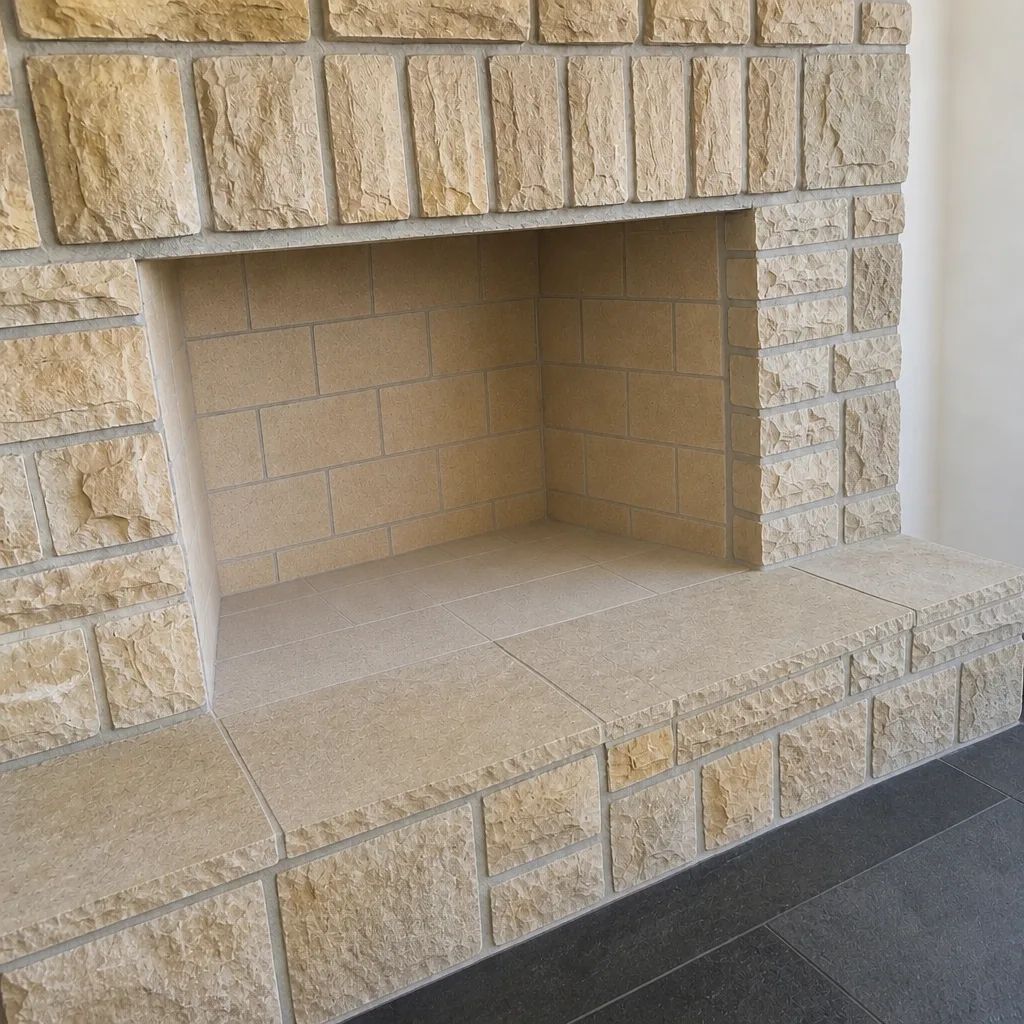
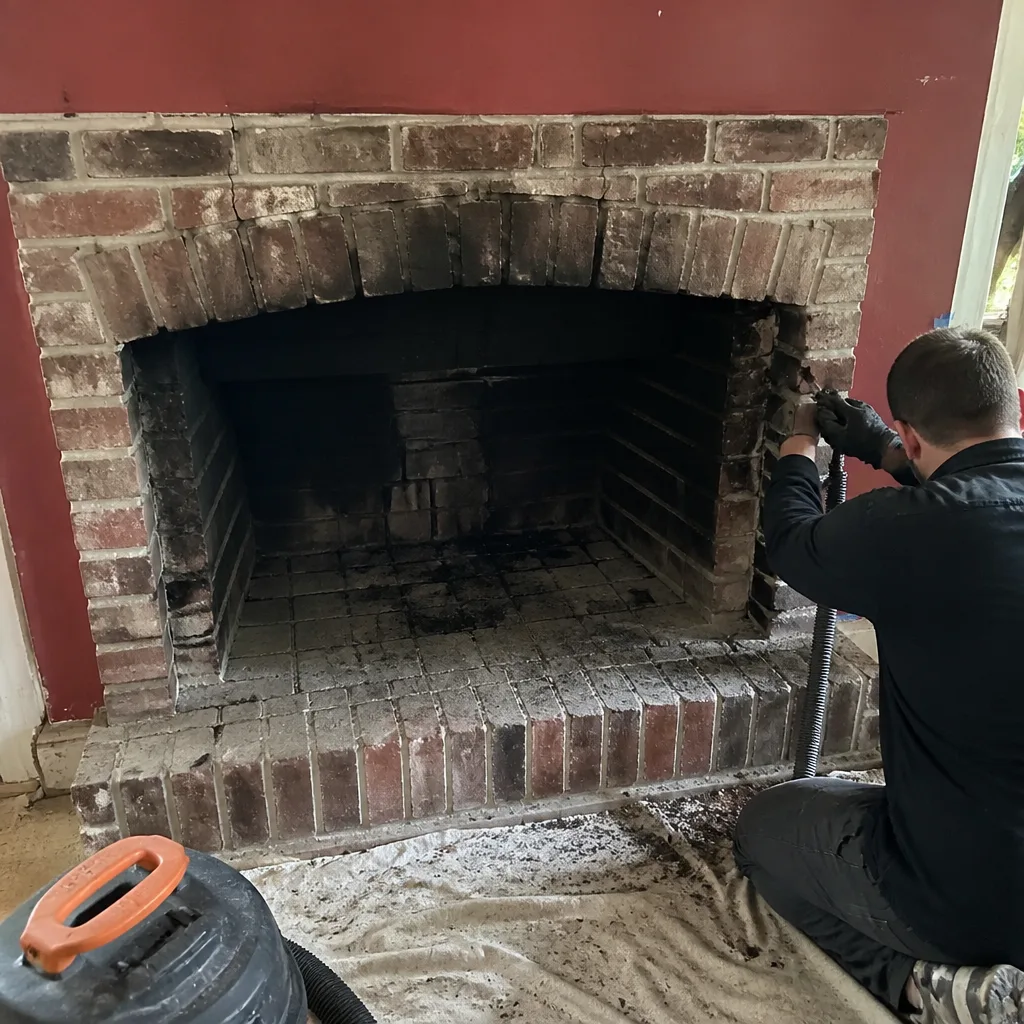
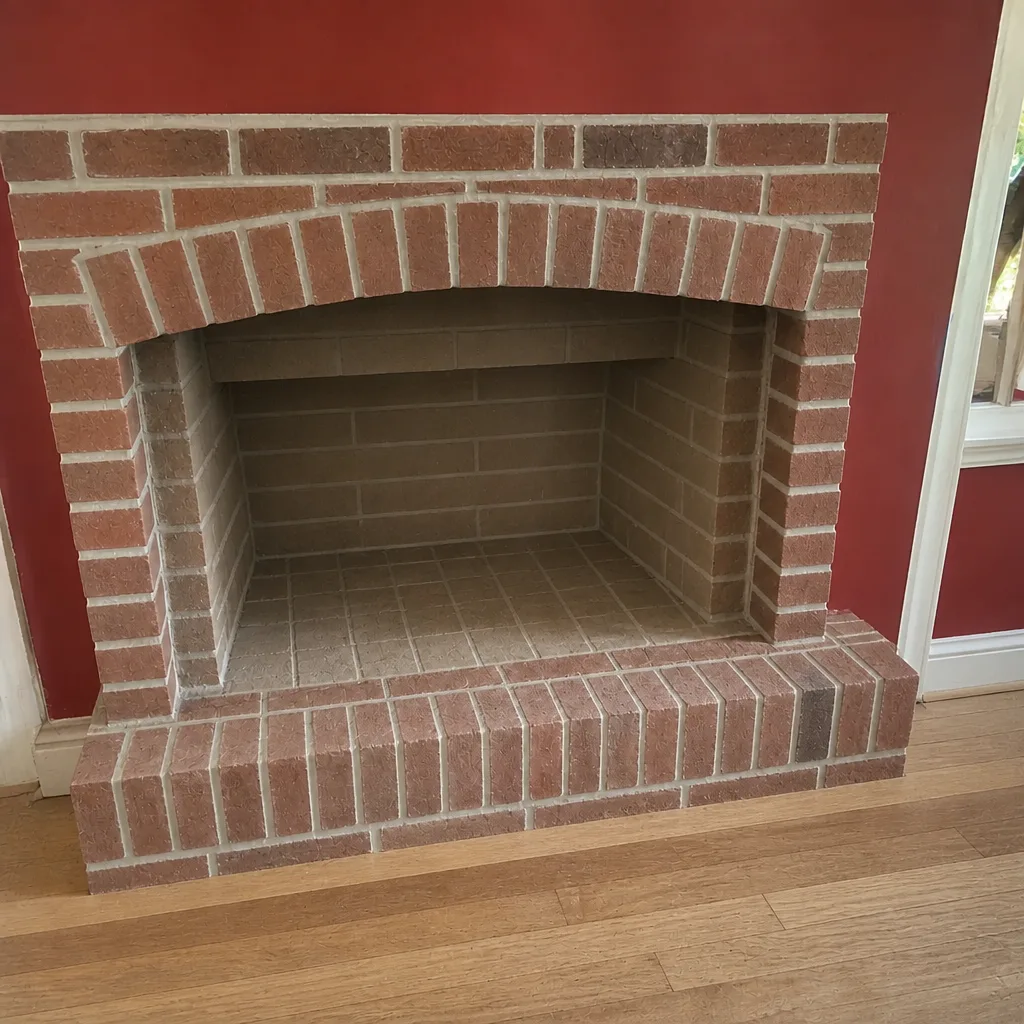
See the difference
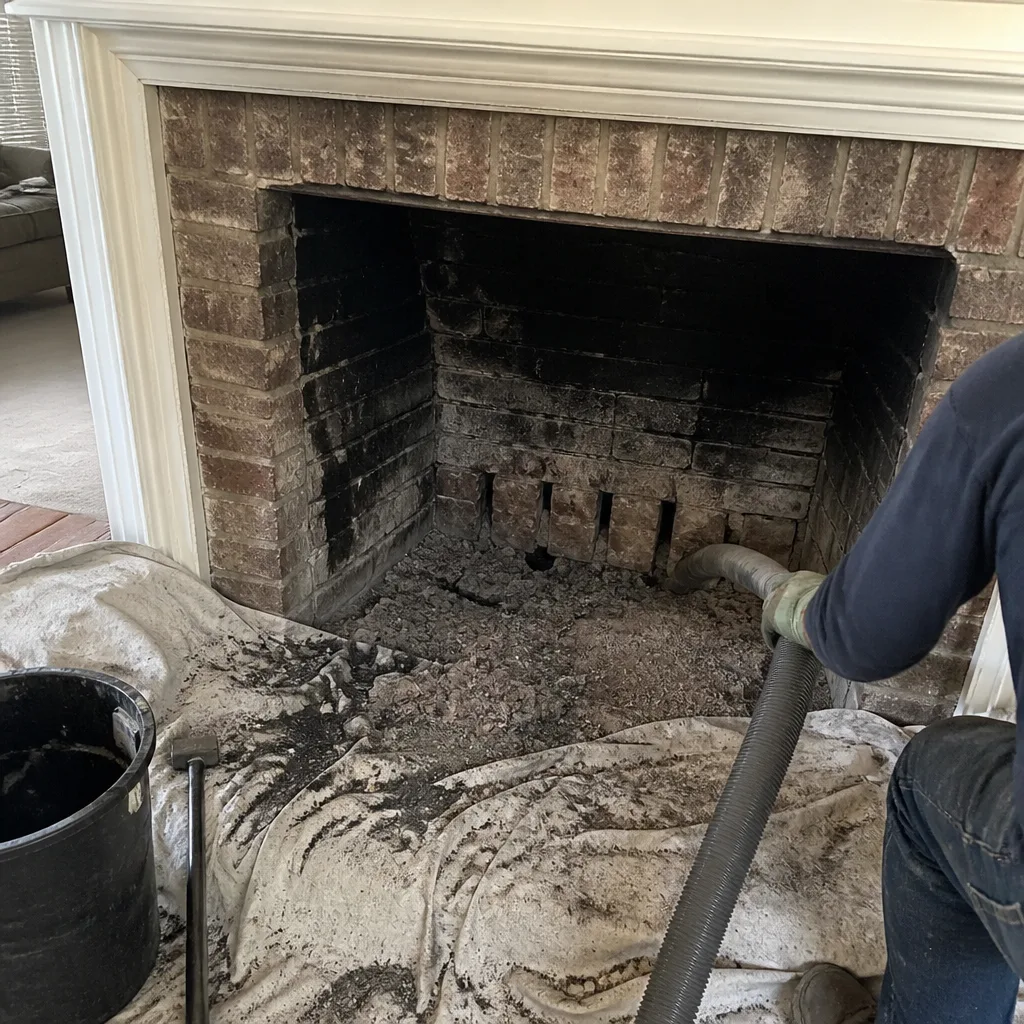 Before
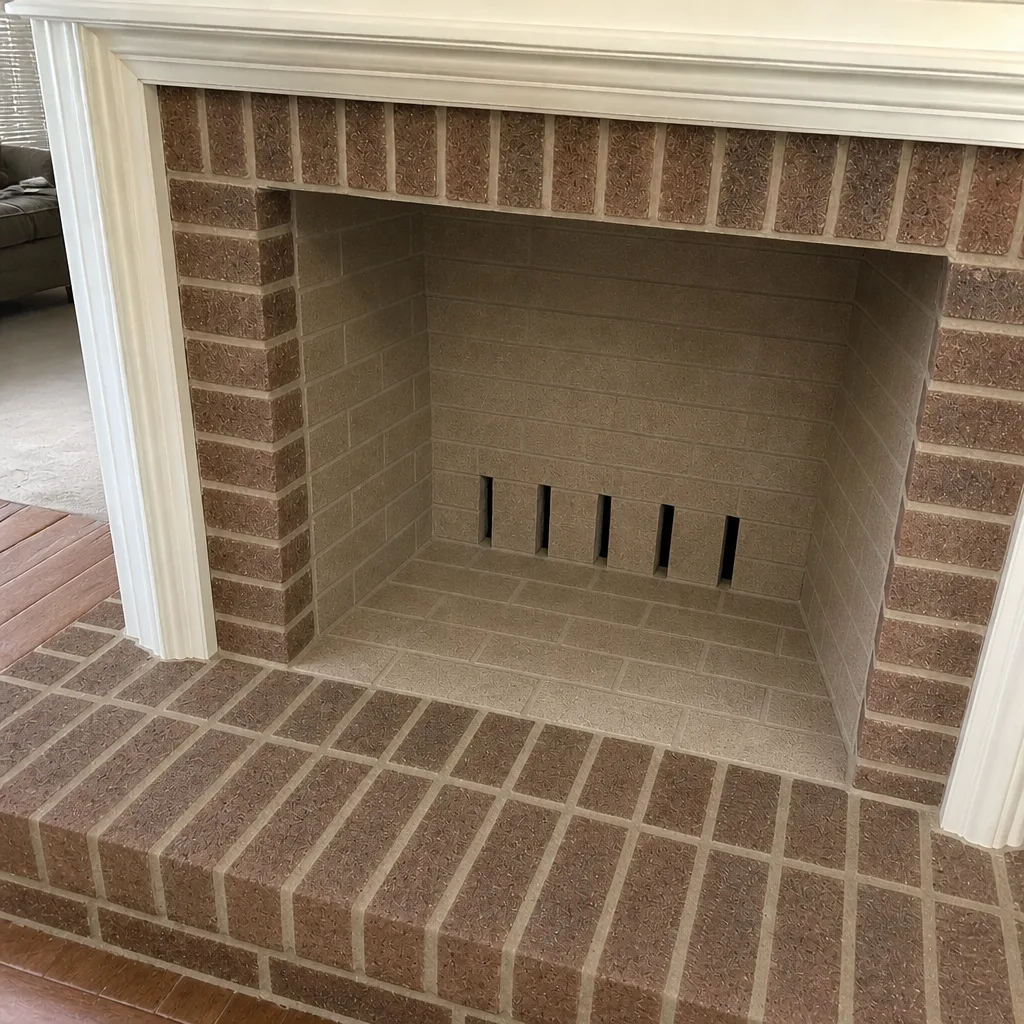 After
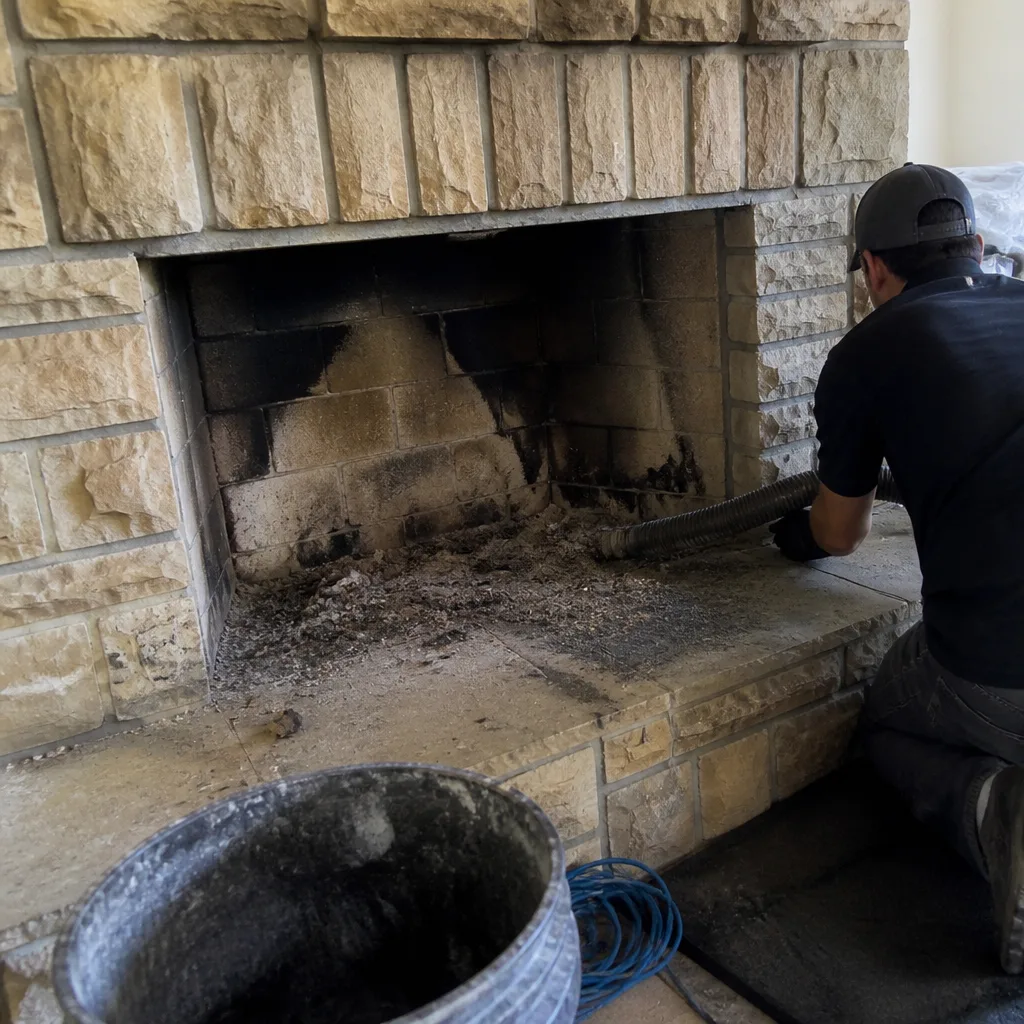 Before
 After
 Before
 After
When to Call a Professional
Call a professional chimney company in these situations: you’re burning wood and haven’t had the flue cleaned and inspected in a year; you’ve noticed a strong creosote smell, smoke backing into the room, or a draft that’s gotten worse; you’ve had a chimney fire, even a small one; you’re adding a wood stove or insert; you’re buying or selling a home with a wood-burning appliance; or you’ve been told by another contractor that you need thousands of dollars of liner or masonry work and you want a second opinion you can verify. That last one matters. Nothing should be recommended without camera evidence you can see for yourself. We can also tell you plainly when work can safely wait. Valor Chimney Cleaning offers free estimates in South Fulton: call (888) 268-0915. We answer 24/7, with fast dispatch from 7am to 7pm.
Our technicians have up to 9 years of experience, and we work with professional-grade materials from brands like Gelco, Famco, and Copperfield, so the parts that go into your chimney are the same ones chimney specialists rely on. A clean chimney is a safe chimney, and the inspection is how you find out where yours stands.
Frequently Asked Questions
No, a routine chimney cleaning does not require a permit in South Fulton. Cleaning removes creosote, soot, and debris from an unchanged chimney, which is maintenance rather than construction. If the cleaning uncovers repair work, that repair may require a permit, and it’s a separate conversation from the cleaning itself. If a contractor tells you that liner work needs no permit, ask them to explain that in writing. Call (888) 268-0915 for an exact quote on cleaning or repair, and we’ll tell you which category your job falls into.
You need a new liner when the existing flue can’t safely contain the flue gases from your appliance, and the only way to know that is an inspection with a camera. A cracked clay tile flue that’s structurally sound may be restorable with a ceramic resurfacing system like HeatShield. A flue whose tile is broken apart typically needs a full stainless reline. The right answer depends on what’s actually in the flue, and a credible company will show you the camera footage before recommending either. Call (888) 268-0915 for an exact quote, and we’ll walk you through what the camera shows.
Yes. Relining is permitted construction in South Fulton, and the permit is typically pulled by the contractor doing the work. The permit application describes the new liner and the appliance it serves, and an inspection follows the completed work. Relining without a permit leaves the homeowner with an improvement that has no record, which creates trouble at resale or during an insurance claim. Call (888) 268-0915 if you want to know what your job requires before scheduling.
A chimney serving a wood-burning fireplace or stove should be cleaned and inspected once a year, and more often if you burn heavily or burn unseasoned wood. The annual cleaning is also the point where the flue gets looked at, so small problems get caught before they turn into liner or masonry work. In South Fulton, that yearly cadence matters because burning season runs through the cooler months and creosote builds up fastest when fires run hot and often. Call (888) 268-0915 to book a cleaning and inspection.
A code-compliant report is a written record tied to a recognized standard, and for chimney work that standard is NFPA 211. It should state which inspection level was performed, describe the condition of the flue lining, firebox, crown, and cap, include photographs of what was found, and give a plain statement of what needs attention and what can wait. That last part is what separates a useful report from a list of recommendations. Call (888) 268-0915 if you need a report for a South Fulton home sale or an insurance review.
Skipping the inspection means you don’t know the condition of the flue, and that’s the risk: a cracked liner can let carbon monoxide into the living space, and creosote buildup can ignite. Neither shows up as a problem until it does, and both are exactly what the annual inspection is designed to catch. We’re not going to tell you every chimney is one fire away from disaster, because that’s not true. Most chimneys are fine, and the inspection is how you find out yours is one of them. Call (888) 268-0915 for an exact quote on an inspection, and we’ll tell you straight what we find.
The Bottom Line
Cleaning doesn’t need a permit. Repair usually does. That single distinction is what separates a maintenance visit from a construction project in South Fulton, and it’s the one homeowners most often miss when they only think about the sweep. Georgia’s residential building code governs relining, crown rebuilds, firebox repair, and new appliance connections, and South Fulton’s permit process is how that code gets enforced. The permit is pulled by the contractor, the scope gets amended when the job uncovers more, and the inspection at the end is what closes it out. A code-compliant inspection report is the document that ties it all together, and it’s the one thing that makes a chimney an asset instead of a liability when the house changes hands. If you’re not sure which category your chimney is in, that’s the right question to ask before anyone books the work.
Contact
Call (888) 268-0915 for a free estimate. We answer 24/7, with fast dispatch from 7am to 7pm. Whether you need a cleaning, an inspection, or repair work that has to be permitted, we’ll walk you through what your chimney actually needs and what can safely wait.
Written by the team at Valor Chimney Cleaning.