
Last updated November 16, 2026
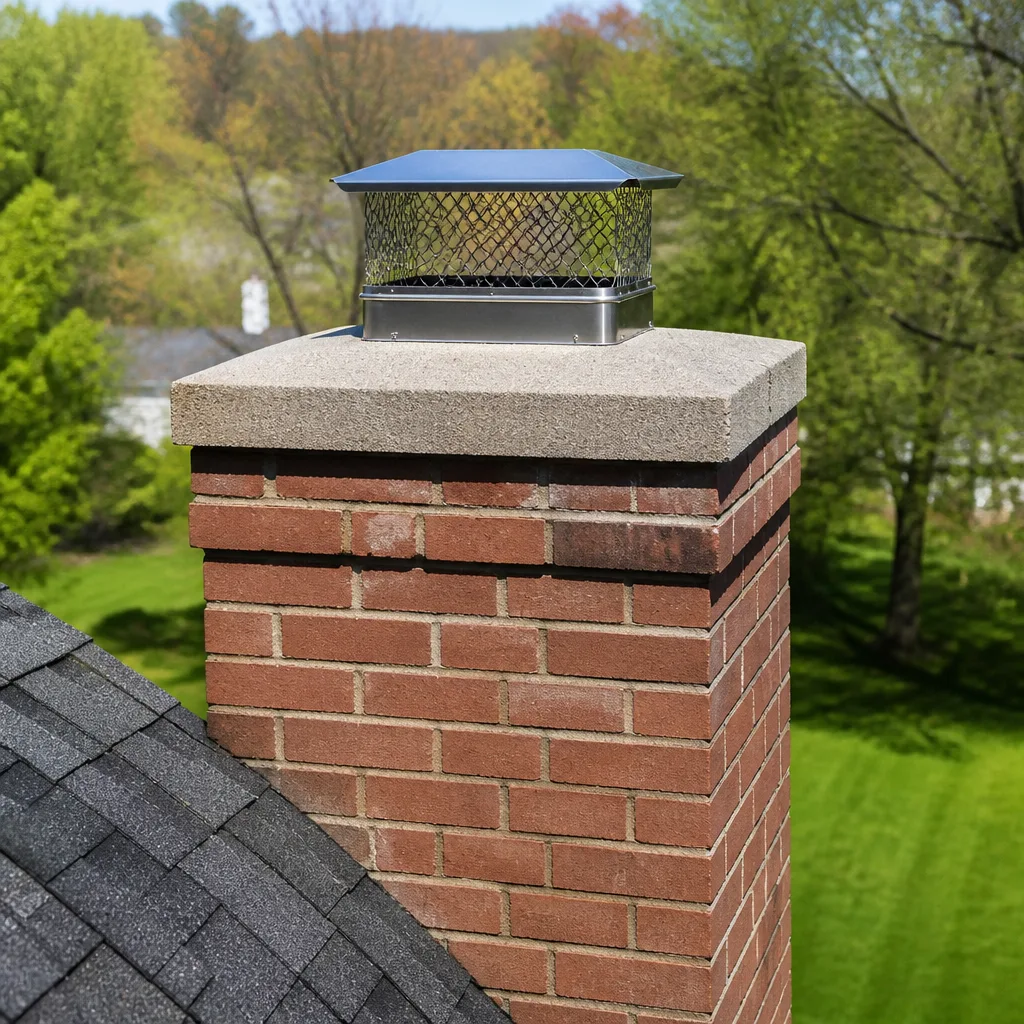 Sweep & inspection
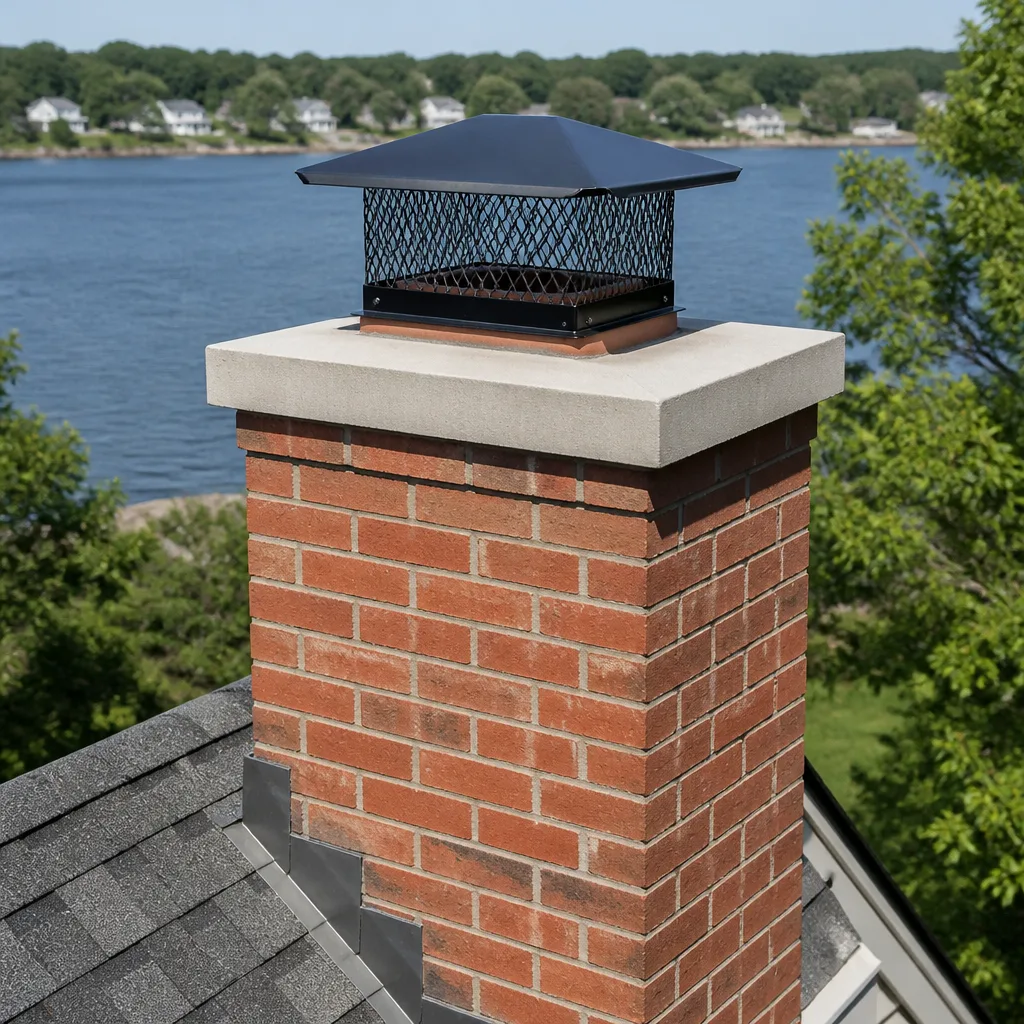 Caps & crowns
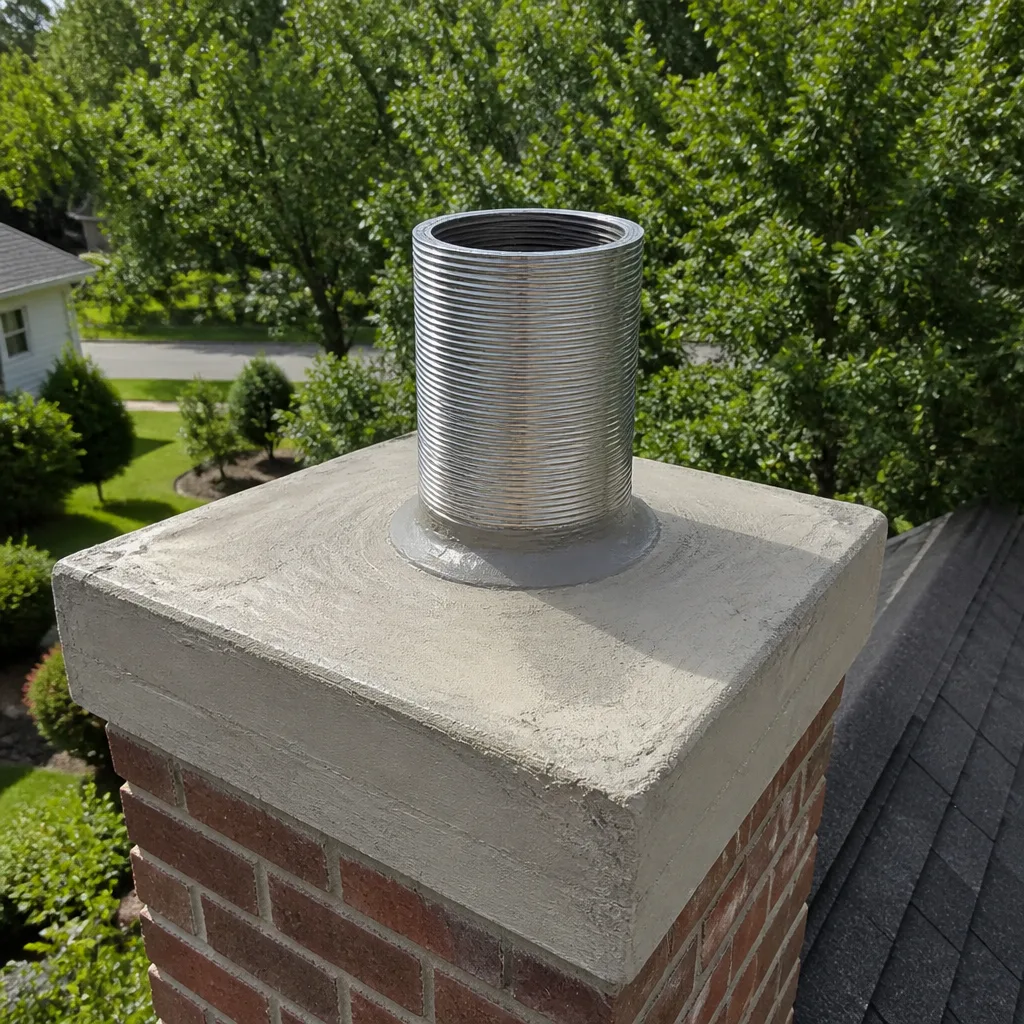 Flue relining
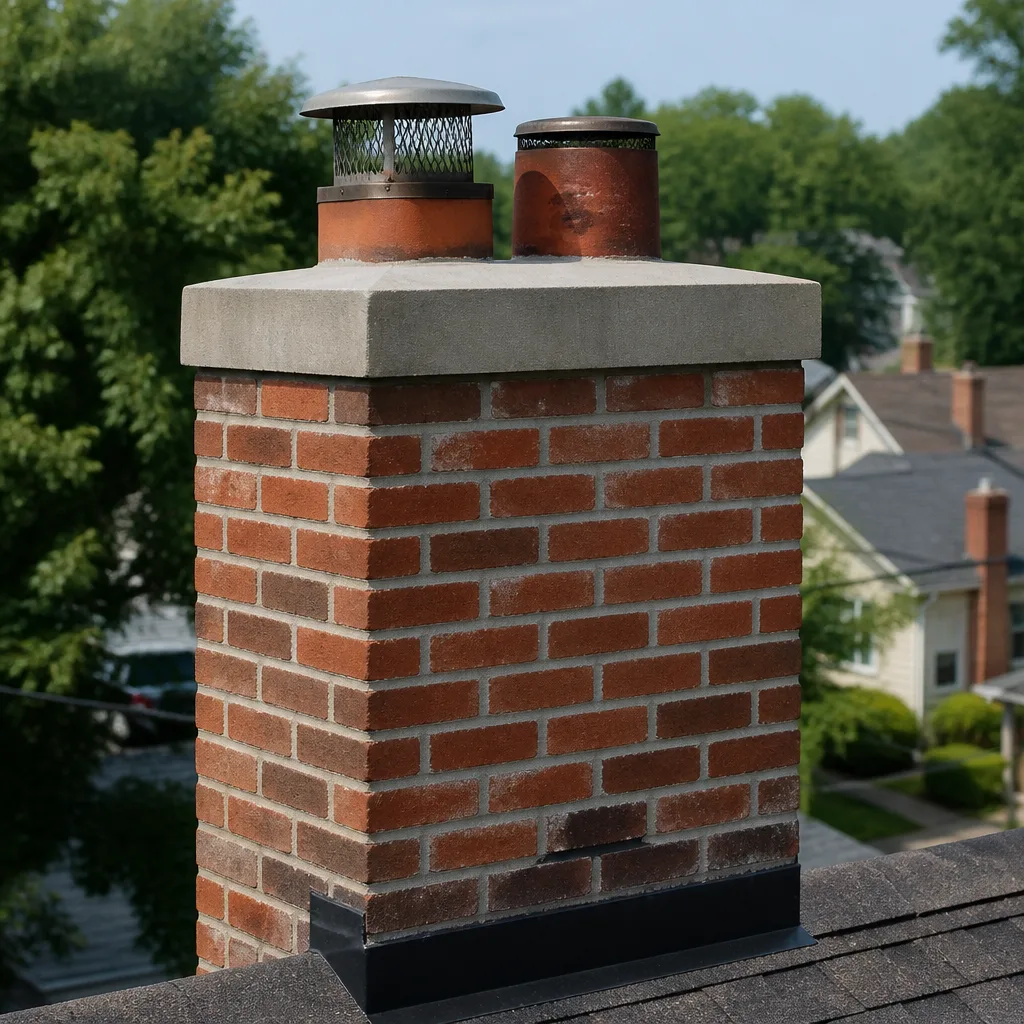 Masonry repair
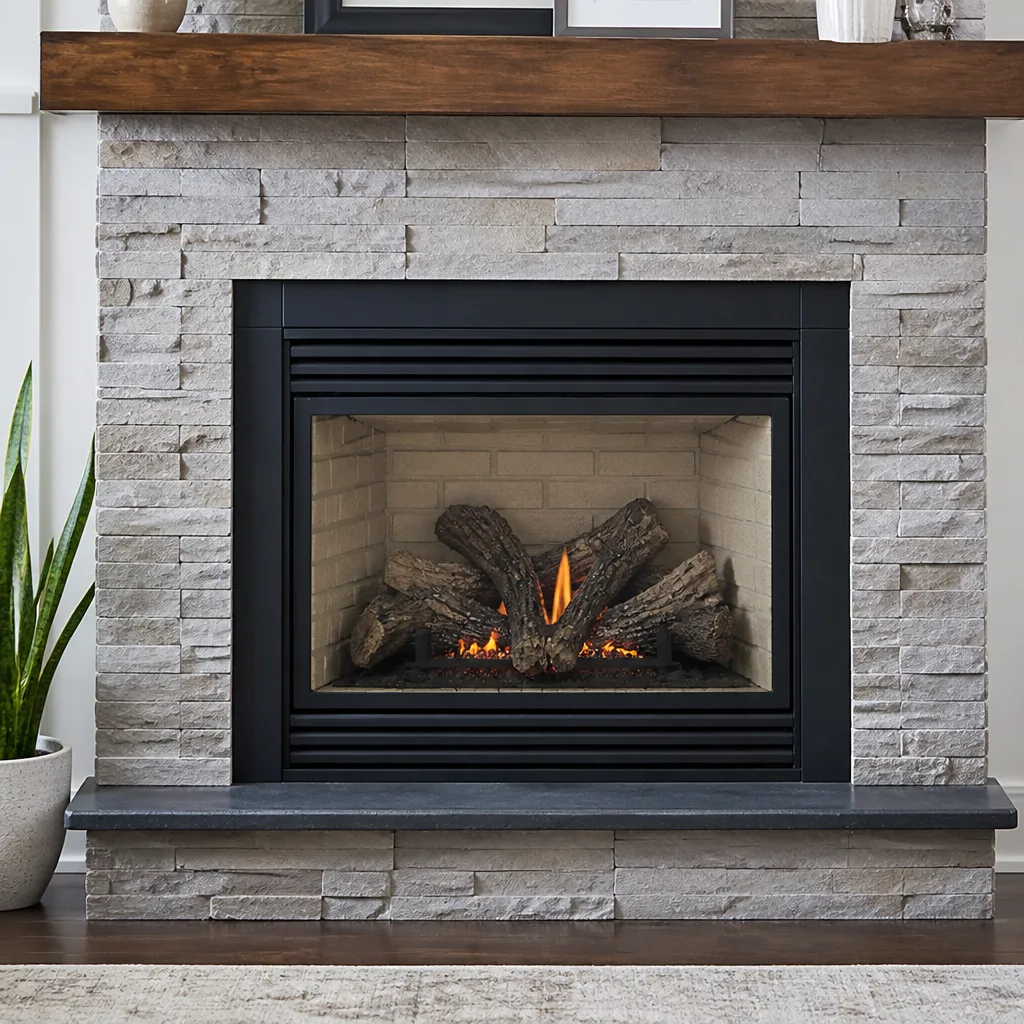 Gas fireplace service
Level 1 sweep and inspection to the NFPA 211 annual standard - flue, crown, cap, and flashing checked and photographed
Chimney sweep logs do not sweep chimneys. They loosen some creosote - which then falls where a brush and vacuum still have to collect it.
Seasonal Chimney Cleaning Care for South Fulton: Year-Round Homeowner’s Guide
The chimney problem most South Fulton homeowners discover in October actually started in June. That’s the part of chimney care the standard advice gets wrong. Most chimney guides are written for places that freeze hard for months, where the dangerous season is winter and the off-season is a quiet pause. South Fulton doesn’t work that way. Our winters are mild, our air stays humid through most of the year, and the months when the fireplace sits cold are the months when moisture does its quietest damage to mortar, crowns, and flue liners. This guide walks through a full calendar of chimney care built for South Fulton’s actual climate, from the June checks most people skip to the March tasks that keep water out for good. You’ll finish knowing what to look at, when to look, and when to bring in a professional.
Styles & brands we work with
- Sweep & inspection
- Caps & crowns
- Flue relining
- Masonry repair
- Gas fireplace service
Quick Answer
In South Fulton, chimney care follows a humidity-driven rhythm rather than the four-season model written for cold climates. The most important window for moisture protection runs from late spring through summer, when a dormant flue and humid air combine to attack masonry and liners, while the fall pre-burn check and the March post-season inspection bookend it. An annual professional sweep and inspection, timed before burning season, is the backbone of the whole schedule.
Table of Contents
- Why Summer Is the Most Damaging Season in South Fulton
- The June Moisture Check: What Most Homeowners Skip
- The September Pre-Burn Checklist for South Fulton
- Mid-Season Checks for Active Wood Burners
- March Post-Season Tasks That Stop Moisture
- Tree Canopy and Storm Patterns: Caps, Crowns, and Chase Covers
- How Often Should a South Fulton Chimney Be Swept?
- Common Mistakes to Avoid
- When to Call a Professional
- Frequently Asked Questions
- The Bottom Line
Why Summer Is the Most Damaging Season in South Fulton
Summer is the most damaging season for a chimney in South Fulton because the flue goes dormant while the air stays humid. In a cold climate, the freeze-thaw cycle is the big enemy of masonry. Here, the enemy is moisture that never quite leaves. From roughly May through September, the relative humidity in the South Fulton area stays high, and a chimney that isn’t being used doesn’t generate the drying heat that pushes moisture back out of the flue and masonry.
What happens is slow and easy to miss. Masonry is porous. It absorbs water vapor from humid air, especially on older chimneys where the mortar has already begun to weather. That moisture sits inside the brick and mortar, and when the sun heats the chimney’s south and west faces, the water expands and contracts in a mild version of the freeze-thaw cycle. Over a summer, that weakens mortar joints.
The crown at the top of the chimney takes the worst of it. A crown is the concrete cap that sheds water away from the flue. When the crown develops a hairline crack, water gets in behind it, and the damage moves down the chimney structure season by season. In a humid climate, those cracks do their work faster because the masonry is already holding moisture.
There’s a second factor specific to this region: the long stretch where the chimney sits without any airflow through it. In winter, a burning fire pulls air up and out. In summer, that draft is gone. Stagnant, humid air inside a closed flue is exactly the condition that lets a rusty damper, a deteriorating liner, or a crumbling smoke chamber get worse quietly.
The takeaway is simple. In South Fulton, the season you need to pay attention to most is the one where nothing seems to be happening.
The June Moisture Check: What Most Homeowners Skip
June is the right month for the check because that’s when the humid season settles in and any water problem that developed over the spring has had time to show itself. You don’t need to climb anything to do most of this. Here’s what we recommend South Fulton homeowners walk through in early summer.
From the ground, look up. Binoculars help. Check the crown at the top of the chimney for visible cracks, crumbling edges, or staining that runs down the sides. Look at the cap or spark arrestor – the metal or mesh piece over the top – for rust, sagging, or a missing screen. A Rusted cap lets rain straight in.
Inside the house, look for staining. Check the ceiling and walls near the chimney for brown or yellow water stains, bubbling paint, or a musty smell. Any of these mean water is getting into the chase or the masonry, and it needs to be traced to the source before it spreads.
Check the firebox and damper. Open the damper and look inside. A damper that’s stiff, rusted, or doesn’t open fully suggests moisture has been sitting in the flue. Rust on the damper blade is one of the earliest signs of an off-season moisture problem in this climate.
Flashing and roof line. Where the chimney meets the roof, there’s a set of metal flashing that seals the joint. Look for lifted, torn, or missing flashing, or caulk that’s dried and pulled away. This is a common entry point for water in South Fulton homes, especially after a spring of heavy rain.
Efflorescence. That white, chalky powder on the outside of the brick is a sign that moisture is moving through the masonry and evaporating on the surface, leaving salts behind. It’s not always a crisis, but it’s a signal worth having a professional look at.
If anything on that list shows up, that’s the moment to get eyes on the flue. A visual assessment from a trained chimney professional will tell you whether it’s a cosmetic issue or the early stage of something that needs repair.
The September Pre-Burn Checklist for South Fulton
September is the month to get the chimney ready for the first fire, and in South Fulton the checklist is shaped by what a summer of heat and humidity just did to the structure. This is the point where the moisture damage of June through August gets caught before it becomes a safety issue during burning season.
Here’s the order we work through for a pre-burn assessment:
- Inspect the crown and cap. Summer heat and humidity are hardest on the crown. A cracked crown that went unattended in July is now a crack that’s had months to let in water. Any crown damage needs repair before the fall rains arrive.
- Check the mortar joints. Look along the exterior brick for joints that are receding, crumbly, or missing. In a humid climate, mortar weathers faster. Loose mortar means the chimney’s structure is weakening, and it needs repointing before winter.
- Test the damper. It should open and close smoothly and seal completely. A damper that won’t seal lets heated air escape up the flue when the fireplace is off, and lets cold, humid air in.
- Look at the firebox. Cracked firebrick or missing mortar in the firebox needs repair. This is the part of the chimney that takes the direct heat of every fire.
- Schedule the sweep. A sweep clears the creosote and soot that built up last season. It’s the single most important thing you can do before the first burn.
- Do the inspection at the same time. A sweep and a professional inspection done together catch more than either does alone, because the sweep clears the flue so the inspection can actually see the liner and joints.
That last point matters. You can’t properly inspect a flue that’s coated in soot and creosote. An inspection-first mindset means cleaning first, then assessing. Valor Chimney Cleaning handles all three services – sweeping, inspection, and repair – so a single visit covers the sweep, the visual assessment of the flue condition, and any repair that turns up.
The product line matters here too. When a pre-burn inspection finds a damaged liner, we work with professional-grade materials including chimney repair products built for the job, using HeatShield for ceramic resurfacing or DuraFlex for full relining. The point isn’t the brand list. It’s that the repair gets done with the right material for what the inspection found, not a one-size-fits-all patch.
Mid-Season Checks for Active Wood Burners
Once you’re burning regularly, the chimney is under load, and in South Fulton the mid-season check comes after the first handful of fires. Call it ten fires in. That’s enough burning to reveal how the system is behaving in real use, and early enough that any issue gets caught before it’s been compounded by months of fires.
What to look for mid-season:
- Draft. Does smoke pull up cleanly when you start a fire, or does some spill back into the room? A weakening draft can mean a partial blockage in the flue or an obstruction at the cap.
- Creosote buildup. If you can see into the flue, check for a shiny, glazed coating on the walls. That’s the type of creosote that’s hardest to remove and most fire-prone. Even a thin, sooty layer is normal, but a thick, gummy, or glazed layer means it’s time to stop burning and schedule a sweep.
- Smoke smell in the house. A faint smoke smell in the house when the fire isn’t burning points to a draft problem or a damper that isn’t sealing. In the humid South Fulton climate, that can also point to moisture loosening the seal.
- Cap condition after storms. If a storm has knocked a branch or deposited debris on the cap, the screen can be blocked. A blocked cap is one of the more common mid-season causes of poor draft.
- Woodburning habits. Burning wet or unseasoned wood produces far more creosote than burning dry wood. In a humid climate, wood that’s been stored outside needs extra time to dry, so keep firewood covered and off the ground.
The mid-season check isn’t a substitute for the pre-burn inspection. It’s the point where you notice a change and act on it rather than waiting for the spring.
Signs You Should Stop Burning and Call
Some mid-season signals mean stop everything and get the chimney looked at before the next fire. A strong, persistent smoke smell in the house. Visible creosote glaze in the flue. A fire that’s noticeably harder to start or that burns weakly. Draft that got worse over the season. Any of these point to a problem the flue needs someone to look at, and it’s cheaper and safer to stop burning now than to push through the rest of the season. Call (888) 268-0915 and we’ll book an inspection. We answer 24/7, with fast dispatch from 7am to 7pm, Sunday through Friday.
March Post-Season Tasks That Stop Moisture
March is when the flue cools for good, and that’s exactly when moisture starts to move in. The post-season work is about closing the chimney up in a way that keeps the humid South Fulton summer out, because once the burning heat stops, the drying cycle stops with it.
The March task list:
- Get the flue swept. Clearing out the season’s creosote and soot before summer means less material for moisture to bind to and less corrosion on the liner. A clean flue dries better.
- Inspect the liner. Look at the full length of the flue liner. In this climate, a stainless liner is the most durable option, which is why we use DuraFlex for full relining jobs – a stainless-steel, UL-listed solution. Where the existing liner just needs resurfacing, HeatShield can restore it without a full reline, which keeps the job smaller and the cost down.
- Assess the crown and cap again. Winter storms and the spring rain ahead both test the crown. Any crack needs sealing or the crown needs rebuilding before summer.
- Check flashing and sealant. The joints around the chimney at the roofline take a beating from spring rains. Renew any failed caulk or flashing.
- Close the damper. After the last fire, close the damper fully. An open damper in summer is an open door for humid air.
- Consider a top-sealing damper or cap upgrade. If your chimney has a standard cap, a better-sealed top can keep summer moisture out without needing to be opened and closed each season.
If any part of the post-season inspection turns up damage, March is a good month to schedule the repair. It’s ahead of the humid season, so the repair has the dry part of the year to cure and settle. Waiting until fall to book a repair means the summer has already been working on the problem, which is how a small crown crack becomes a much bigger job.
If you’ve never had a full inspection in South Fulton, March is also the right time to start. The chimney sweep at the end of the season, paired with a thorough inspection, gives you a clean baseline going into summer.
Tree Canopy and Storm Patterns: Caps, Crowns, and Chase Covers
South Fulton has a lot of trees, and a mature canopy changes the maintenance calendar in ways that don’t show up in a generic chimney guide. Branches that hang over the chimney drop leaves, twigs, and debris, and the shade keeps the roof and chimney damper and cooler longer. That matters in a humid climate because a shaded chimney dries more slowly after rain, so moisture hangs around after every storm.
The other recurring issue is debris. A cap’s mesh screen is designed to keep animals and large debris out, but a screen can be blocked by leaves and small branches. When the screen clogs, the flue loses draft, and a weak draft is one of the more common complaints mid-season. Clearing a blocked cap is a routine task that a lot of homeowners miss because the cap is out of sight.
Storms are the other piece. The heavy rain and wind events that move through this region can lift caps, shift cracked crowns, knock branches onto the chimney, and stress the flashing at the roofline. A quick visual check of the chimney after any significant storm is worth building into your spring and summer routine. If the cap is loose, the crown has a fresh crack, or the chase cover – the metal cover over the chimney chase on some home styles – has pulled loose, it needs a look before the next storm.
Chase covers matter especially for homes with a framed chase rather than a full masonry chimney. The cover seals the top of the chase, and in this climate a loose chase cover is a direct path for water into the wall cavity. If you have a chase cover, it belongs on every one of your seasonal checklists, not just in spring.
The brands we work with are chosen for exactly this environment. Our caps and covers from Famco and Copperfield are built for long exposure, and the materials we use for liners and repairs – DuraFlex and HeatShield for the flue, Famco and Copperfield for the cap and cover systems – are professional-grade products, the same ones chimney specialists rely on. The right products cost less over the years than repeated repairs to the wrong ones.
How Often Should a South Fulton Chimney Be Swept?
Sweep a South Fulton chimney based on how much you burn and what you burn, not just the calendar. If the fireplace sees use most weekends during burning season, an annual sweep is the baseline. If the fire gets used less, the sweep can stretch to every other year, but the annual inspection is still worth keeping on the schedule. The two are related but separate – a sweep removes what’s built up, an inspection tells you what condition the flue, crown, and masonry are in.
The distinction matters because a chimney that’s swept but never inspected is a chimney where problems go unseen. An inspection-first approach means every cleaning includes a visual assessment of flue condition. If something turns up, you know about it, and you can decide what to do about it.
A practical annual schedule for most South Fulton homeowners looks like this:
- Annual: a professional sweep before burning season, with an inspection alongside it.
- Annual, regardless of burning: the June moisture check and the March post-season check from this guide.
- After any storm with visible impact: a look at the cap, crown, and flashing.
- After the first ten fires of the season: the mid-season check.
If you’re in the market for a sweep and want to know what to expect from one, our guide to a Valor Chimney Cleaning sweep walks through the process, but the short version is: it’s a cleaning plus an inspection, not just a brushing.
Common Mistakes to Avoid
- Treating summer as the safe season. In South Fulton’s humid climate, summer is the season when moisture does the most damage. A chimney that’s cleaned in fall and ignored until the next fall has been working against itself for months. Keep the June check on the calendar.
- Only sweeping, never inspecting. A sweep clears the flue, but it doesn’t tell you whether the crown is cracked or the liner is deteriorating. The inspection is where the real condition of the chimney gets established. Valor Chimney Cleaning includes a visual assessment with every cleaning for exactly this reason.
- Waiting for the first cold snap to check the chimney. By the time the weather turns, the creosote is in place and the moisture damage is done. September is the right month for the pre-burn check, not the week of the first fire.
- Ignoring the cap and screen. A blocked or rusted cap is one of the more common causes of poor draft and water intrusion. It’s easy to overlook because it’s out of sight. Include it in both the spring and fall checks.
- Letting branches hang over the chimney. The tree canopy in many South Fulton neighborhoods is beautiful but it means leaves and debris on the cap and a chimney that dries slower in the shade. Prune what you can and check the cap after storms.
- Assuming a mild winter means the chimney is fine. A winter that doesn’t freeze hard doesn’t mean the chimney is safe. The damage window here is the humid season, and it runs longer than winter by months.
- Using box-store repairs for flue problems. A liner repair isn’t a job for a general handyman. The product has to be rated for the flue and installed correctly. We use professional-grade products including HeatShield and DuraFlex specifically because the wrong material is a safety issue, not just a cost issue.
When to Call a Professional
Call a professional when you find water staining inside the house, visible damage to the crown or cap, a damper that won’t seal, or creosote glaze on the flue walls. Those are the conditions where continuing to burn or waiting through the season can turn a repair into a hazard. In South Fulton, the humid climate means these problems develop faster than northern-state chimney care advice suggests, so a June or March find is worth acting on right away. Our technicians have up to 9 years of experience, and every job starts with an inspection rather than an assumption. Valor Chimney Cleaning offers free estimates in South Fulton – call (888) 268-0915. We answer 24/7, with fast dispatch from 7am to 7pm, Sunday through Friday.
Frequently Asked Questions
Once a year is the baseline for a South Fulton home with a wood-burning fireplace or wood stove that sees regular use, alongside an annual inspection. If you burn only occasionally, the sweep can extend to every other year, but keep the inspection on the yearly schedule because the humid climate affects the structure even when the chimney is cold. Call (888) 268-0915 for an exact quote – estimates are free.
Summer is the most damaging season in South Fulton because the flue is dormant while the air stays humid, so moisture moves into porous masonry and stays there. The sun then heats the chimney and the trapped moisture expands and contracts, weakening mortar and crowns over months. It’s the opposite of the northern model, where the winter freeze-thaw cycle is the main threat.
No, June is actually the most important month to look, for the exact reason it seems safe: a dormant, unused chimney is the one most exposed to humid air during the low-draft summer months. The check is a quick visual pass from the ground and inside the house – it doesn’t require climbing anything. If anything looks off, an inspection settles it.
A sweep removes soot and creosote from the flue, while an inspection assesses the condition of the flue, liner, crown, cap, and masonry. A flue coated in soot can’t be properly inspected, so the two work best together – cleaning first, then assessing. We do both in one visit and include a visual assessment with every cleaning.
Yes, for two reasons: shade keeps the chimney damper and cooler, so it dries more slowly after rain, and branches drop debris onto the cap that can block the mesh screen and weaken draft. Check the cap after any storm and keep branches trimmed back where you can.
A cracked crown needs repair before the humid season, so it doesn’t keep taking water through the summer. A crack that gets water behind it can spread and lead to masonry damage below. Book an inspection and let a professional confirm whether the crown needs sealing or rebuilding. Call (888) 268-0915 for a free estimate.
The Bottom Line
Chimney care in South Fulton doesn’t follow the four-season script. The real window for damage here runs from late spring through summer, when a dormant flue and humid air combine to work on mortar, crowns, and liners. The annual rhythm that protects a chimney in this climate is a June moisture check, a September pre-burn sweep and inspection, a mid-season look after the first ten fires, and a March post-season push to close the chimney up against the humid months ahead. Keep that rhythm and the chimney stays safe, dry, and ready for burning season. Skip it and October will find you dealing with a problem that started in June. Valor Chimney Cleaning handles sweeping, inspection, and repair with professional-grade materials from brands like DuraFlex, HeatShield, Famco, and Copperfield, so a single company sees the job from diagnosis through completion. Estimates are free.
To book a seasonal visit and get eyes on your flue before the next burn, call (888) 268-0915. We answer 24/7, with fast dispatch from 7am to 7pm, Sunday through Friday. New to the area? Start with our South Fulton guide, then book your first inspection.
Written by the team at Valor Chimney Cleaning.
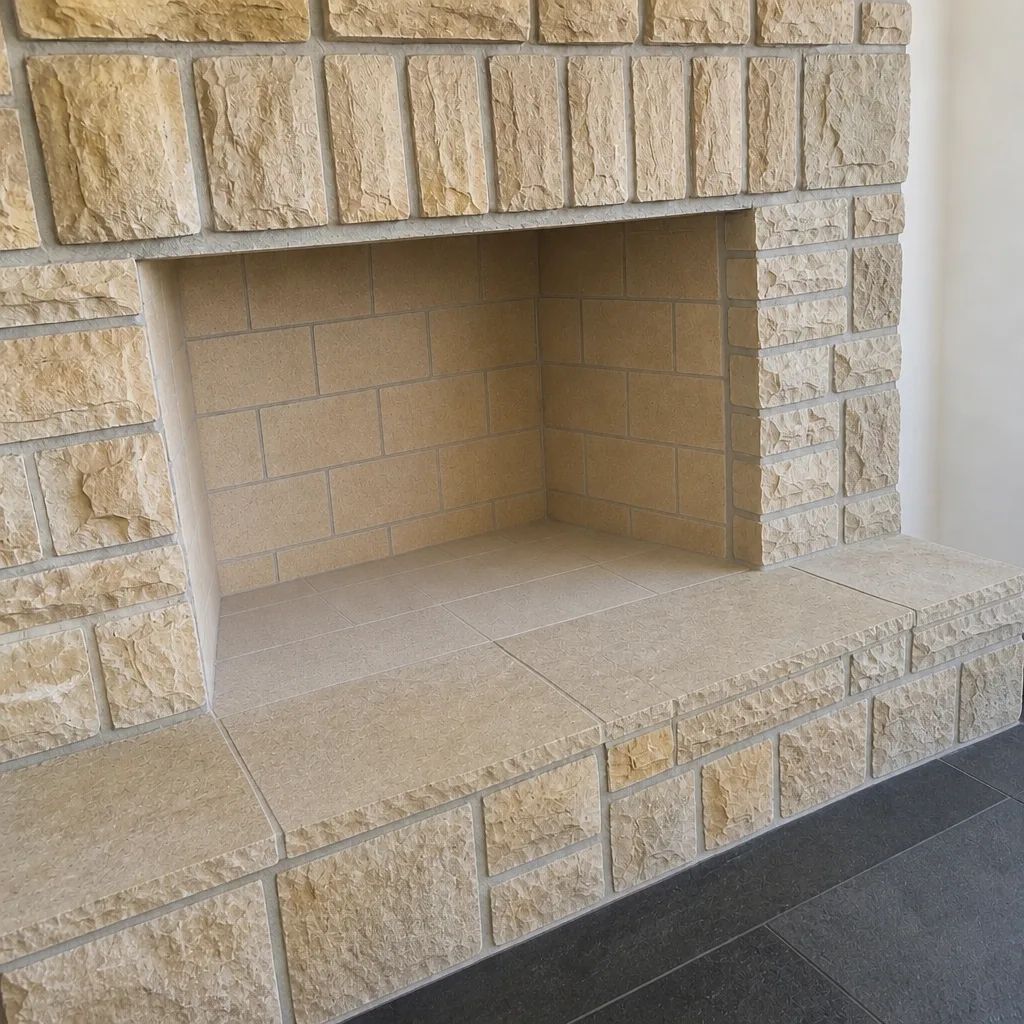
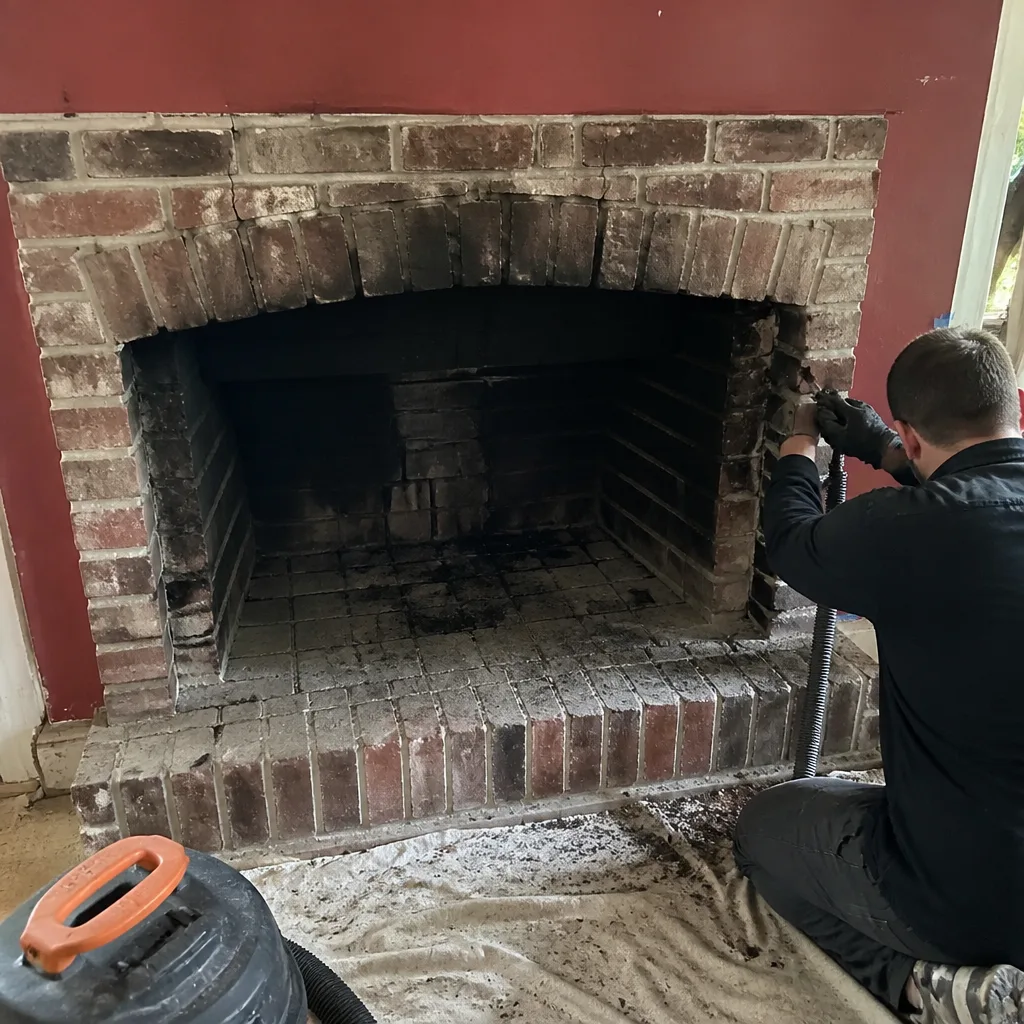
See the difference
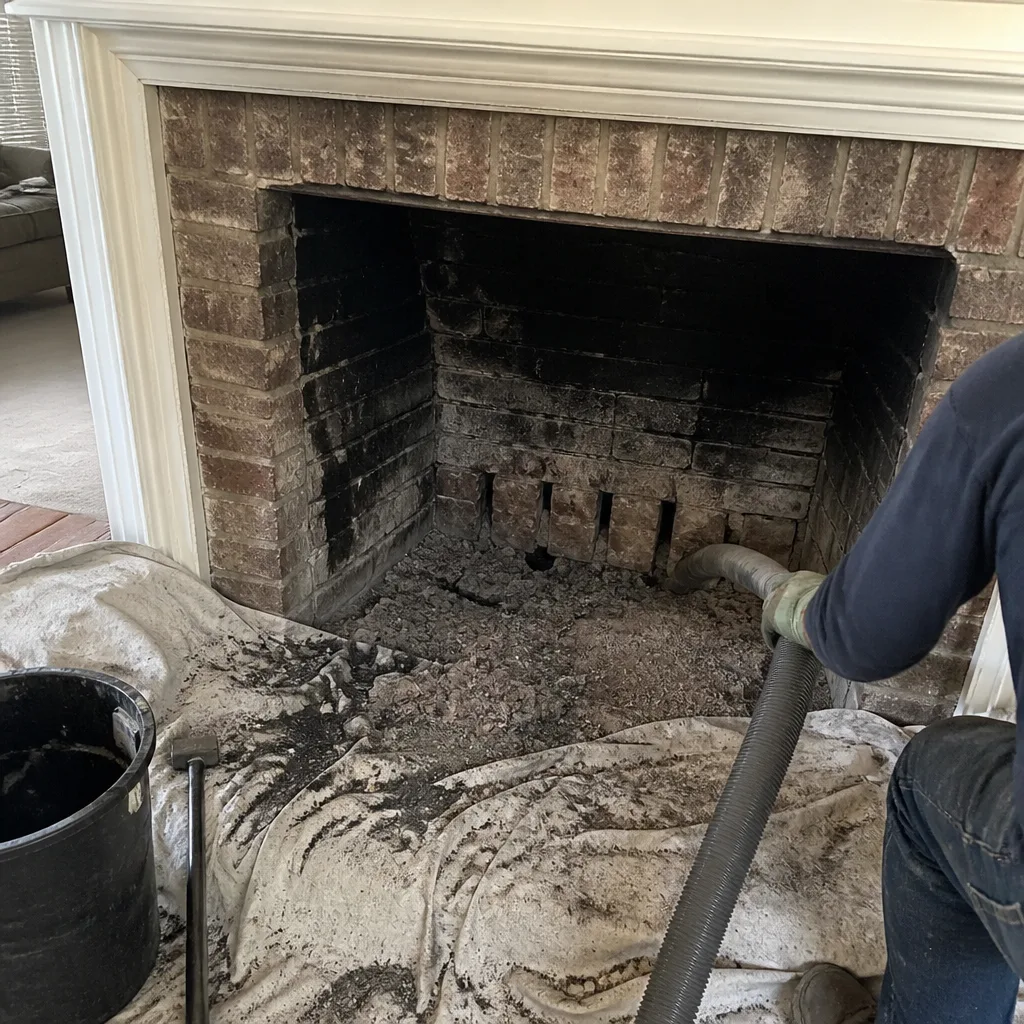 Before
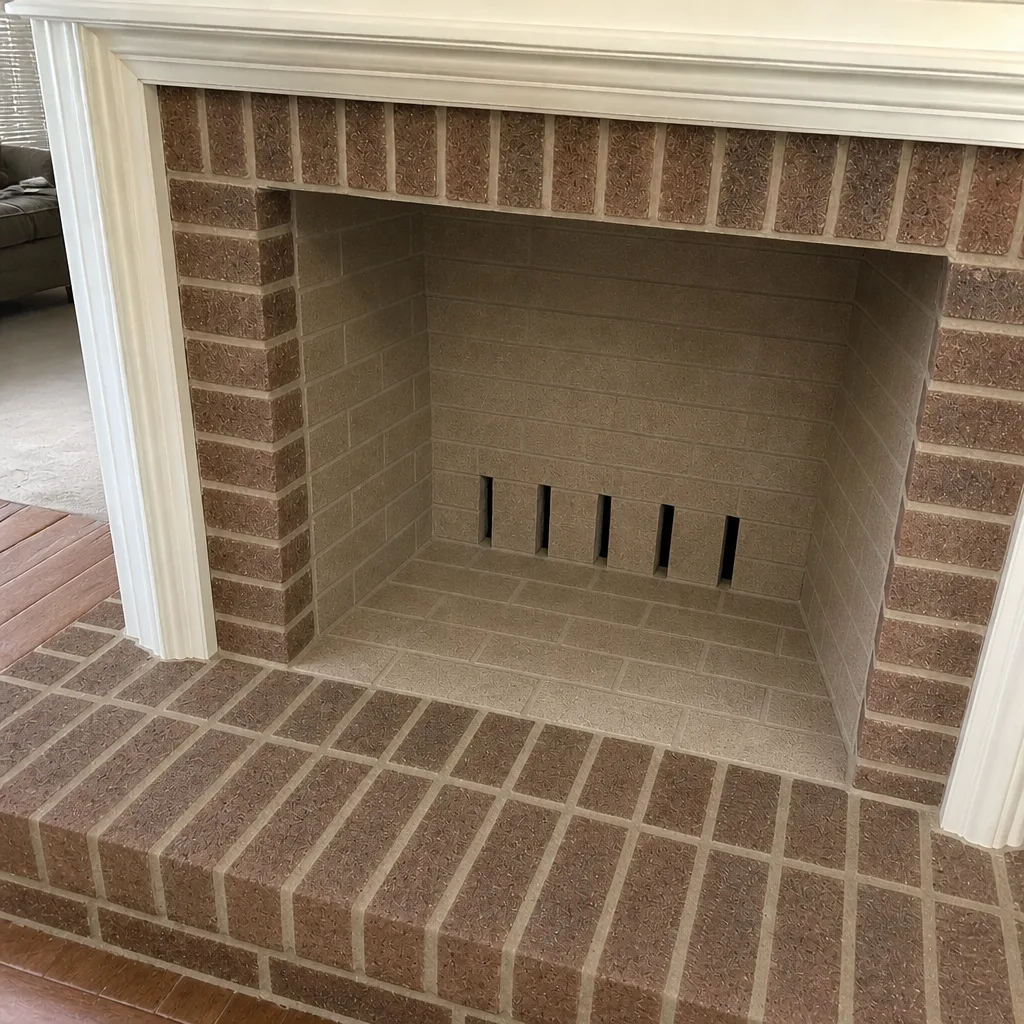 After
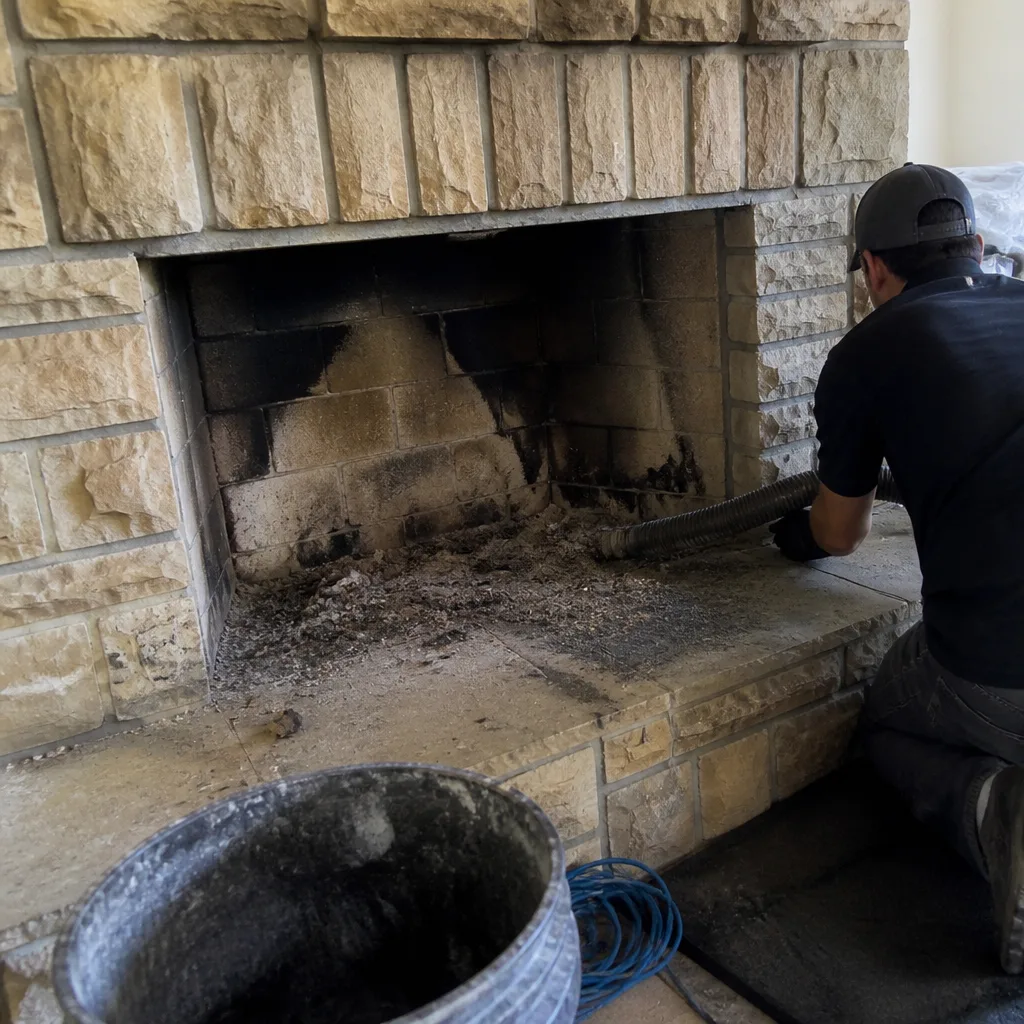 Before
 After
 Before
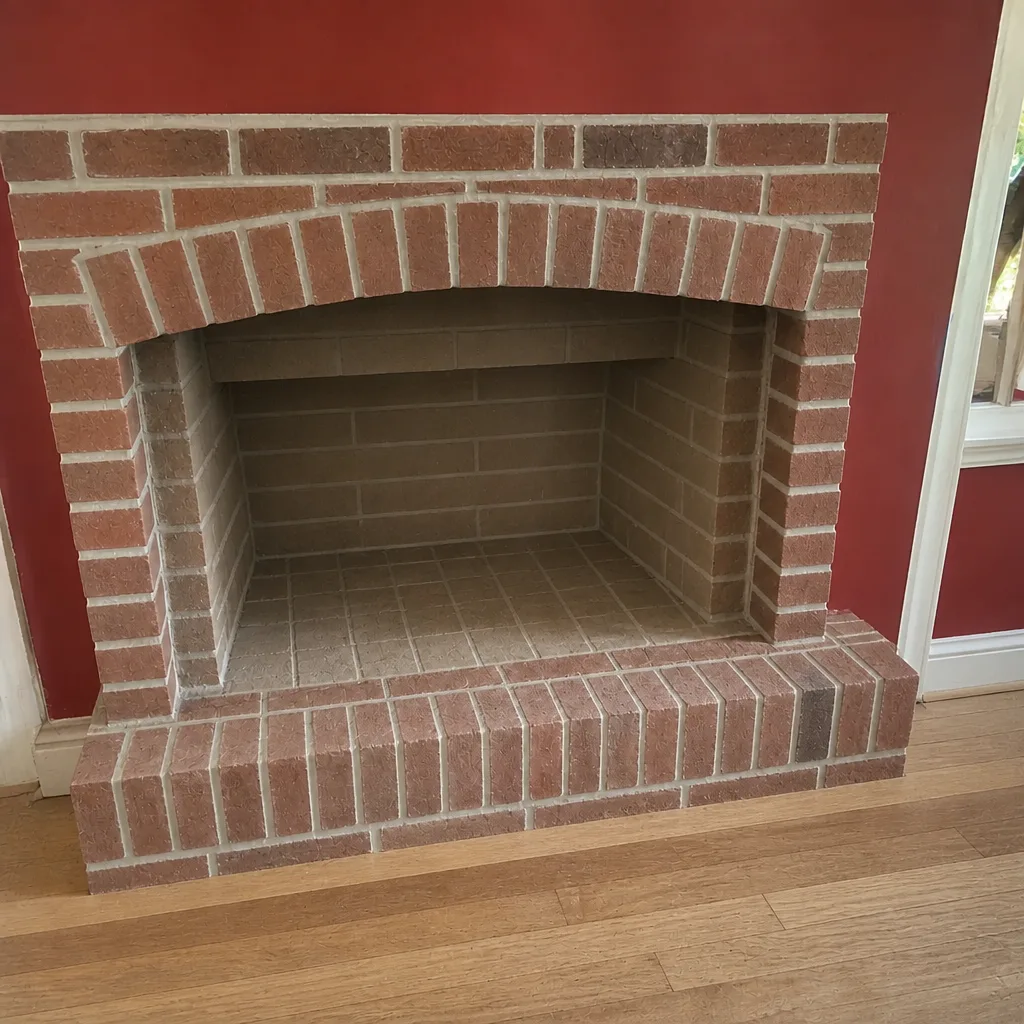 After